The global forklift market is experiencing substantial growth due to the rapid expansion of e-commerce, increasing warehouse automation, rising demand for efficient material handling equipment, and growing investments in smart logistics infrastructure. Businesses across retail, manufacturing, food & beverage, pharmaceuticals, and third-party logistics are increasingly deploying advanced forklift solutions to improve warehouse productivity, optimize inventory movement, and reduce operational costs.
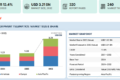
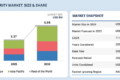
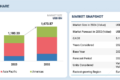
The forklift market size is projected to grow from USD 91.19 billion in 2025 to USD 141.32 billion by 2032, at a CAGR of 6.5%. Growing adoption of electric forklifts, autonomous material handling systems, and digitally connected warehouse operations is expected to significantly accelerate forklift market growth throughout the forecast period.
Forklift Industry Overview
Forklifts are among the most critical material handling assets used across warehouses, manufacturing facilities, distribution centers, ports, and logistics hubs. These vehicles are designed to transport, lift, stack, and move goods efficiently within industrial environments.
The industry includes a wide range of equipment such as counterbalance forklifts, reach trucks, pallet trucks, warehouse forklifts, and specialized material handling vehicles. Manufacturers continue to enhance forklift performance through advanced battery technologies, automation capabilities, telematics systems, and intelligent fleet management solutions.
As supply chains become increasingly complex and customer delivery expectations continue to rise, forklifts are becoming essential tools for supporting efficient warehouse and logistics operations worldwide.
Warehouse Automation Driving Forklift Market Growth
Warehouse automation has emerged as one of the strongest growth drivers for the forklift market. Companies are investing heavily in automated storage systems, smart fulfillment centers, and intelligent material handling technologies to improve operational efficiency and meet growing customer demand.
Forklifts play a critical role in automated warehouses by supporting inventory movement, pallet transportation, order fulfillment, and storage operations. Modern warehouse environments increasingly require forklifts that can integrate seamlessly with warehouse management systems, automation platforms, and real-time tracking technologies.
The continued expansion of automated distribution centers and fulfillment facilities is expected to create significant opportunities within the forklift market during the forecast period.
Download PDF Brochure @ https://www.marketsandmarkets.com/pdfdownloadNew.asp?id=2439790
Electric Forklifts Transforming Sustainable Material Handling
Electric forklifts are becoming a major growth engine within the forklift market as businesses focus on sustainability, emissions reduction, and energy efficiency. Compared to internal combustion engine forklifts, electric models offer quieter operation, lower maintenance requirements, and reduced environmental impact.
The increasing adoption of lithium-ion battery technology is further accelerating electric forklift deployment. Lithium-ion-powered forklifts provide faster charging times, longer operating cycles, and improved energy efficiency, making them highly suitable for modern warehouse environments.
As organizations continue pursuing ESG initiatives and sustainable logistics strategies, the electric forklift market is expected to experience strong growth globally.
Autonomous Forklifts Reshaping Smart Warehousing
Autonomous forklifts are expected to be the fastest-growing segment within the forklift market. These advanced systems leverage technologies such as LiDAR, SLAM navigation, artificial intelligence, computer vision, and real-time analytics to operate with minimal human intervention.
Autonomous forklifts help reduce labor dependency, improve operational accuracy, enhance workplace safety, and increase warehouse productivity. Their ability to operate continuously and integrate with automated warehouse systems makes them increasingly attractive for large-scale logistics and fulfillment operations.
The growing demand for intelligent material handling solutions and smart warehousing technologies is expected to drive rapid adoption of autonomous forklifts worldwide.
E-Commerce Expansion Increasing Forklift Demand
The rapid growth of e-commerce is significantly influencing forklift market trends worldwide. Online retailers and logistics providers are expanding warehouse networks and fulfillment operations to support increasing order volumes and faster delivery expectations.
Forklifts enable efficient inventory management, order picking, pallet handling, and goods movement within high-volume distribution centers. As e-commerce businesses continue investing in advanced logistics infrastructure, demand for modern forklift solutions is expected to rise substantially.
The expansion of omnichannel retail strategies and global distribution networks will remain a major factor supporting forklift industry growth throughout the forecast period.
Asia Pacific Leading Forklift Market Share
Asia Pacific is expected to account for the largest forklift market share during the forecast period due to rapid industrialization, expanding e-commerce ecosystems, increasing manufacturing activities, and significant investments in warehouse infrastructure.
China remains one of the world’s largest logistics and manufacturing hubs, while India is witnessing substantial growth in warehousing, retail logistics, and industrial development. Countries such as Japan and South Korea are also investing heavily in automation technologies and smart logistics systems.
The growing need for efficient material handling solutions across manufacturing, retail, automotive, food processing, and logistics sectors is expected to continue driving forklift market growth across Asia Pacific.
Future Outlook for the Forklift Market
The future of the forklift market will be shaped by warehouse automation, electric mobility, autonomous material handling systems, artificial intelligence, and connected fleet management technologies. As businesses continue modernizing supply chain operations and investing in smart warehousing solutions, forklifts will remain a critical component of efficient logistics ecosystems.
Growing demand for sustainable material handling equipment, intelligent warehouse operations, and advanced intralogistics solutions will continue creating significant opportunities for forklift manufacturers and technology providers through 2032.
Request Free Sample Report @ https://www.marketsandmarkets.com/requestsampleNew.asp?id=2439790