The HVAC Systems Market in Smart Homes and Buildings is experiencing unprecedented growth, driven by the rapid adoption of smart technologies, increasing demand for energy efficiency, and a global push for sustainable living. As homes and commercial buildings evolve into interconnected ecosystems, Heating, Ventilation, and Air Conditioning (HVAC) systems are becoming integral to creating comfortable, efficient, and environmentally friendly spaces. This article delves into the dynamics of the HVAC Systems Market in Smart Homes and Buildings, exploring key trends, innovative technologies, market drivers, challenges, and future opportunities.
The Evolution of HVAC Systems in the Era of Smart Homes and Buildings
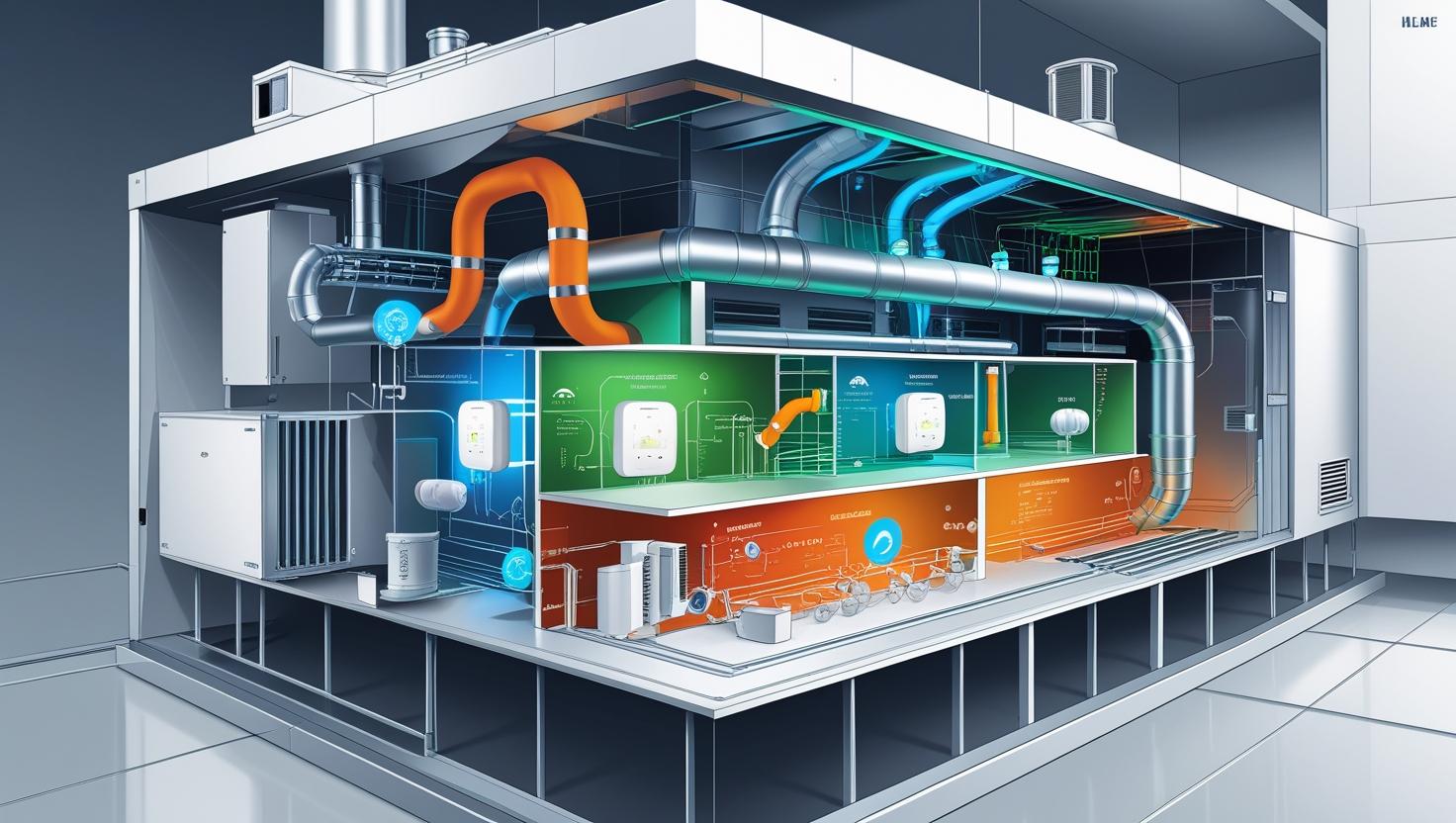
The HVAC Systems Market in Smart Homes and Buildings has transformed significantly over the past decade. Traditional HVAC systems, once focused solely on temperature regulation, have evolved into sophisticated solutions integrated with Internet of Things (IoT) technologies, artificial intelligence (AI), and advanced automation. These advancements allow homeowners and building managers to optimize energy consumption, enhance indoor air quality, and improve overall comfort. The integration of smart thermostats, sensors, and cloud-based controls has redefined the role of HVAC systems in modern architecture, aligning with the growing trend of smart homes and buildings.
The rise of smart homes, equipped with interconnected devices, has fueled demand for HVAC systems that can seamlessly integrate with other smart technologies, such as lighting, security, and energy management systems. Similarly, smart buildings—commercial structures designed for efficiency and sustainability—are leveraging advanced HVAC solutions to meet stringent environmental regulations and occupant expectations. The HVAC Systems Market in Smart Homes and Buildings is thus at the forefront of the global shift toward intelligent, eco-conscious infrastructure.
Key Drivers Fueling Growth in the HVAC Systems Market in Smart Homes and Buildings
Several factors are propelling the HVAC Systems Market in Smart Homes and Buildings forward. These drivers reflect technological advancements, changing consumer preferences, and regulatory pressures:
- Rising Demand for Energy Efficiency: With energy costs on the rise and growing awareness of environmental impacts, consumers and businesses are prioritizing energy-efficient HVAC systems. Smart HVAC solutions, equipped with features like predictive maintenance and real-time energy monitoring, help reduce consumption and lower utility bills.
- Advancements in IoT and AI Technologies: The integration of IoT and AI enables HVAC systems to learn user preferences, adapt to environmental conditions, and optimize performance. For example, smart thermostats like Nest or Ecobee can adjust temperatures based on occupancy patterns, reducing energy waste.
- Government Regulations and Incentives: Governments worldwide are implementing stricter energy efficiency standards and offering incentives for adopting green technologies. These policies encourage the adoption of smart HVAC systems in both residential and commercial settings.
- Urbanization and Smart City Initiatives: The global trend toward urbanization and the development of smart cities is driving demand for advanced HVAC systems in high-rise buildings, commercial complexes, and residential communities.
The convergence of these factors has created a robust growth trajectory for the HVAC Systems Market in Smart Homes and Buildings, with projections estimating significant expansion in the coming years.
Market Size and Growth Projections for the HVAC Systems Market in Smart Homes and Buildings
The HVAC Systems Market in Smart Homes and Buildings is poised for remarkable growth. The global HVAC System Market size accounted for USD 281.7 billion in 2024, grew to USD 295.7 billion in 2025 and is projected to reach USD 389.9 billion by 2029, representing a healthy CAGR of 6.7% between 2024 and 2029. This growth is driven by the increasing adoption of IoT-enabled HVAC systems and the rising popularity of smart home ecosystems.
North America currently holds a significant share of the HVAC Systems Market in Smart Homes and Buildings, owing to high consumer awareness, technological advancements, and supportive government policies. However, regions like Asia-Pacific and Europe are witnessing rapid growth due to urbanization, rising disposable incomes, and increasing investments in smart infrastructure. The market’s expansion is further supported by the growing penetration of smart thermostats, which accounted for a substantial portion of the market in recent years.
Technological Innovations Shaping the HVAC Systems Market in Smart Homes and Buildings
Technological innovation is at the heart of the HVAC Systems Market in Smart Homes and Buildings. Several cutting-edge developments are transforming how HVAC systems operate and interact with users:
Smart Thermostats and Automation
Smart thermostats are a cornerstone of modern HVAC systems, offering remote control, scheduling, and energy usage insights via smartphone apps or voice assistants like Alexa and Google Assistant. These devices use AI to learn user habits and optimize heating and cooling schedules, reducing energy consumption by up to 20% in some cases.
IoT-Enabled HVAC Systems
IoT technology enables real-time monitoring and control of HVAC systems. Sensors collect data on temperature, humidity, and air quality, allowing systems to adjust dynamically. IoT integration also facilitates predictive maintenance, alerting users to potential issues before they lead to costly repairs.
Ductless and AI-Driven Heat Pumps
Innovative startups are developing ductless heat pump systems that leverage AI for room-by-room climate control. These systems, such as those by Quilt and Gradient, offer energy-efficient alternatives to traditional HVAC units, particularly for residential applications.
Integration with Building Management Systems (BMS)
In smart buildings, HVAC systems are increasingly integrated with BMS platforms, enabling centralized control of heating, cooling, ventilation, and other building functions. This integration enhances operational efficiency and supports sustainability goals.
These innovations are not only improving the performance of HVAC systems but also making them more user-friendly and environmentally sustainable, further driving the HVAC Systems Market in Smart Homes and Buildings.
Benefits of Smart HVAC Systems in Homes and Buildings
The adoption of smart HVAC systems offers numerous benefits, making them a preferred choice for homeowners and building managers:
- Energy Savings: Smart HVAC systems reduce energy consumption through automation, zoning, and real-time adjustments, leading to significant cost savings.
- Enhanced Comfort: Advanced sensors ensure consistent temperatures and optimal indoor air quality, improving occupant comfort.
- Remote Accessibility: Cloud-based controls allow users to monitor and adjust HVAC settings from anywhere, enhancing convenience.
- Environmental Sustainability: By reducing energy waste, smart HVAC systems contribute to lower carbon footprints, aligning with global sustainability goals.
These benefits are driving widespread adoption, positioning the HVAC Systems Market in Smart Homes and Buildings as a key player in the smart technology ecosystem.
Challenges Facing the HVAC Systems Market in Smart Homes and Buildings
Despite its growth, the HVAC Systems Market in Smart Homes and Buildings faces several challenges:
- High Initial Costs: Smart HVAC systems often require significant upfront investment, which can deter cost-conscious consumers and small businesses.
- Interoperability Issues: Integrating HVAC systems with diverse smart home platforms can be complex, requiring standardized protocols.
- Cybersecurity Concerns: IoT-enabled HVAC systems are vulnerable to cyber threats, necessitating robust security measures.
- Lack of Awareness: In some regions, consumers and businesses may not fully understand the benefits of smart HVAC systems, slowing adoption rates.
Addressing these challenges will be critical to sustaining the growth of the HVAC Systems Market in Smart Homes and Buildings.
Regional Insights into the HVAC Systems Market in Smart Homes and Buildings
The HVAC Systems Market in Smart Homes and Buildings varies significantly by region, influenced by economic, environmental, and technological factors:
North America
North America leads the market due to high consumer demand for smart home technologies, supportive regulations, and a strong presence of key players like Trane, Carrier, and Lennox. The U.S. is a major contributor, with widespread adoption of smart thermostats and energy-efficient systems.
Europe
Europe’s market is driven by stringent energy efficiency regulations and a focus on sustainability. Countries like Germany and the UK are investing heavily in smart building infrastructure, boosting demand for advanced HVAC systems.
Asia-Pacific
The Asia-Pacific region is experiencing rapid growth due to urbanization, rising incomes, and government-led smart city initiatives. China and India are emerging as key markets, with increasing adoption of IoT-enabled HVAC systems.
Rest of the World
Regions like the Middle East and Africa are seeing gradual growth, driven by infrastructure development and the need for energy-efficient cooling solutions in hot climates.
Understanding these regional dynamics is essential for stakeholders in the HVAC Systems Market in Smart Homes and Buildings to tailor their strategies effectively.
Download PDF Brochure @ https://www.marketsandmarkets.com/pdfdownloadNew.asp?id=202111288
Competitive Landscape of the HVAC Systems Market in Smart Homes and Buildings
The HVAC Systems Market in Smart Homes and Buildings is highly competitive, with major players investing in innovation and strategic partnerships. Key companies include:
- Trane Technologies: Known for its energy-efficient HVAC solutions and smart thermostats.
- Carrier Global Corporation: A leader in IoT-enabled HVAC systems for residential and commercial applications.
- Lennox International: Specializes in high-efficiency HVAC systems with advanced automation features.
- Daikin Industries: A global player focusing on eco-friendly and smart HVAC technologies.
- Honeywell International: Offers advanced building management systems integrated with HVAC solutions.
These companies are leveraging R&D, mergers, and acquisitions to strengthen their market position and meet the growing demand for smart HVAC systems.
Future Trends Shaping the HVAC Systems Market in Smart Homes and Buildings
The HVAC Systems Market in Smart Homes and Buildings is poised for further evolution, with several trends shaping its future:
Integration with Renewable Energy
Smart HVAC systems are increasingly being paired with renewable energy sources like solar panels, reducing reliance on fossil fuels and enhancing sustainability.
Voice-Activated Controls
The rise of voice assistants is driving demand for HVAC systems that can be controlled via natural language commands, improving user convenience.
AI-Powered Predictive Maintenance
AI algorithms are enabling HVAC systems to predict and prevent failures, reducing downtime and maintenance costs.
Focus on Indoor Air Quality
With growing awareness of health and wellness, HVAC systems are incorporating advanced air filtration and purification technologies to improve indoor air quality.
These trends highlight the dynamic nature of the HVAC Systems Market in Smart Homes and Buildings, offering exciting opportunities for innovation and growth.
The Future of the HVAC Systems Market in Smart Homes and Buildings
The HVAC Systems Market in Smart Homes and Buildings is at a pivotal moment, driven by technological advancements, sustainability goals, and changing consumer expectations. As smart homes and buildings become the norm, HVAC systems are evolving to meet the demands of energy efficiency, connectivity, and user convenience. Despite challenges like high costs and cybersecurity concerns, the market’s growth potential remains strong, with innovations like AI-driven heat pumps and IoT integration leading the way.
Explore In-Depth Semiconductor & Electronics Market Research –https://www.marketsandmarkets.com/semiconductorand-electonics-market-research-87.html
FAQs
What is driving the growth of the HVAC Systems Market in Smart Homes and Buildings?
The growth is driven by rising demand for energy efficiency, advancements in IoT and AI technologies, government regulations, and smart city initiatives.
How do smart HVAC systems improve energy efficiency?
Smart HVAC systems use sensors, AI, and automation to optimize energy usage, adjust temperatures based on occupancy, and reduce waste, leading to significant energy savings.
What are the challenges facing the HVAC Systems Market in Smart Homes and Buildings?
Challenges include high initial costs, interoperability issues, cybersecurity risks, and limited consumer awareness in some regions.
Which regions are leading the HVAC Systems Market in Smart Homes and Buildings?
North America leads due to high adoption rates, followed by Europe and Asia-Pacific, where urbanization and smart city projects are driving growth.
See The Latest Semiconductor Reports:
Infrared Imaging Market Size, Share & Trends : https://www.marketsandmarkets.com/Market-Reports/infrared-IR-sensing-imaging-market-593.html
Submarine Cable Systems Market Size, Share & Trends : https://www.marketsandmarkets.com/Market-Reports/submarine-cable-system-market-184625.html
SCADA Market Size, Share & Trends : https://www.marketsandmarkets.com/Market-Reports/scada-market-19487518.html
Digital Twin Market Size, Share & Trends : https://www.marketsandmarkets.com/Market-Reports/digital-twin-market-225269522.html
Automotive AI Market Size, Share & Trends: https://www.marketsandmarkets.com/Market-Reports/automotive-artificial-intelligence-market-248804391.html