With its unmatched visibility, traceability, and operational efficiency across a range of industries, radio frequency identification (RFID) technology is rapidly changing the game in supply chain management. Businesses are using RFID to improve inventory management, expedite logistical procedures, and better meet customer demands as global supply chains grow more intricate and dynamic. Through increased data accuracy and process automation, the integration of RFID systems is not only enhancing daily operations but also facilitating strategic decision-making.
One of the most significant advantages of RFID in supply chain management is its ability to provide real-time visibility of assets and inventory throughout the entire supply chain. It is possible to read RFID tags wirelessly and simultaneously from a distance, unlike standard barcodes that need to be scanned in line of sight. This enables organizations to track the movement and condition of items in real time by enabling automated data gathering at several checkpoints, including warehouses, distribution facilities, and retail locations. By guaranteeing that the appropriate products are accessible at the appropriate time, businesses may improve customer happiness, minimize errors, and avoid stockouts with more transparency.
Download PDF Brochure @ https://www.marketsandmarkets.com/pdfdownloadNew.asp?id=446
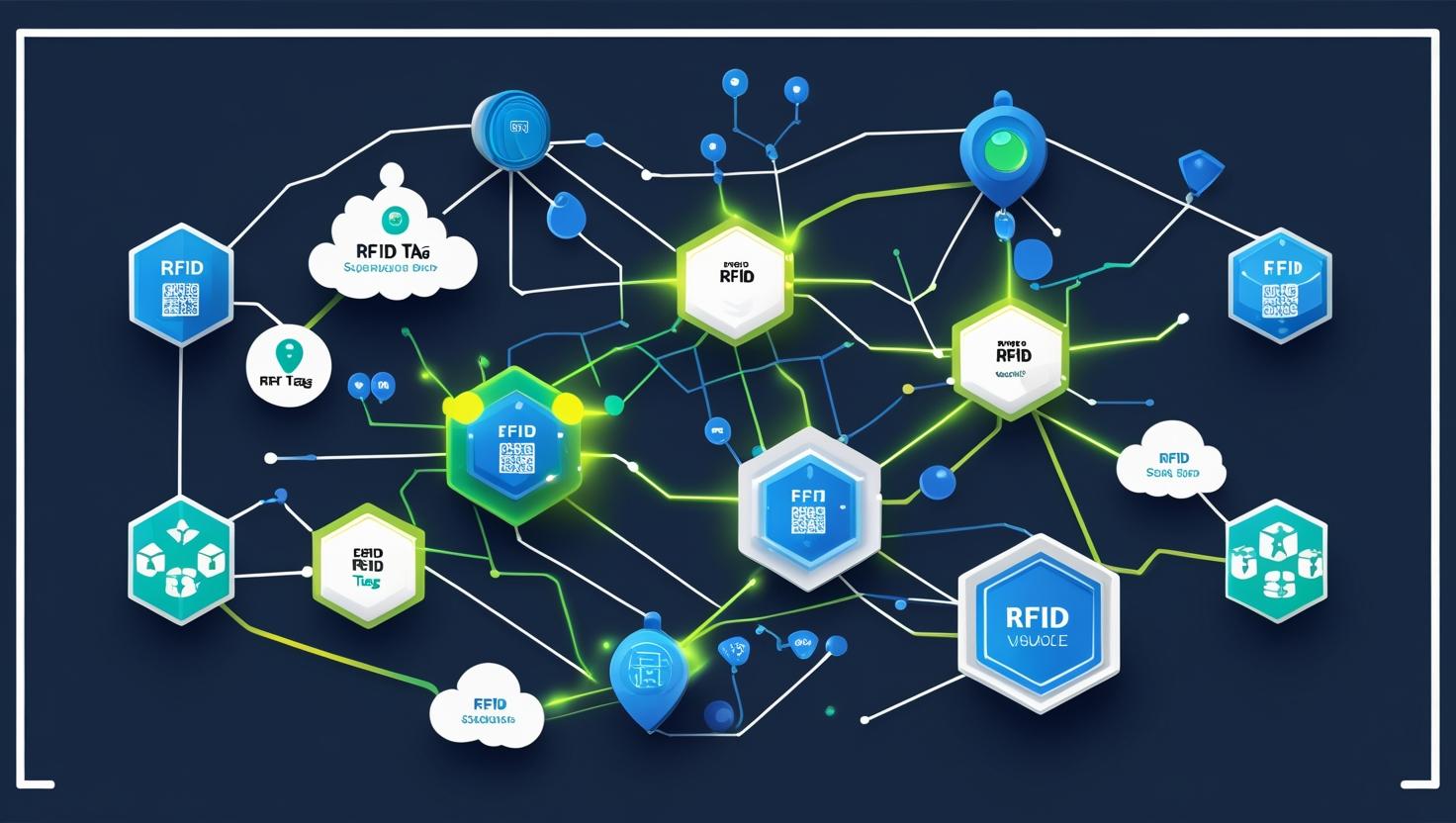
By cutting down on the time and effort required for human inventory checks, RFID technology also helps to improve inventory management. Inventory counting procedures can be significantly shortened and accuracy increased using RFID-enabled systems’ ability to swiftly scan whole pallets, shelves, or shipments. This lowers the possibility of human error in addition to operating expenses. Consequently, businesses may enhance order fulfillment rates, prevent surplus inventory, and manage ideal stock levels. RFID helps track expiration dates and storage conditions for companies that deal with perishable commodities, such food and medicines, guaranteeing product safety and regulatory compliance.
Another critical benefit of RFID in supply chain management is improved traceability and security. RFID tags can store detailed information about the product, including its origin, manufacturing date, batch number, and handling history. This is especially valuable in industries where authenticity, quality control, and regulatory compliance are paramount. In case of a product recall or quality issue, RFID enables quick and accurate identification of affected items, facilitating faster response and reducing the impact on consumers and brand reputation. Moreover, RFID systems can help detect unauthorized access or theft during transportation and storage, enhancing supply chain security.
RFID integration also significantly improves logistics and transportation. Logistics companies can better plan routes, forecast delivery times, and oversee fleet operations using real-time cargo tracking. Distribution centers can cut down on paperwork and delays by automating gate check-ins and check-outs with RFID-enabled equipment. RFID speeds up customs processing and cargo handling in ports and airports, resulting in lower turnaround times and more throughput. RFID helps create a logistics network that is more responsive and flexible by enhancing coordination amongst supply chain participants.
RFID helps retailers better manage their inventories and enhance the shopping experience for customers. Accurate shelf-level tracking made possible by RFID tags enables businesses to spot stock inconsistencies and guarantee prompt replenishment. Retailers may provide individualized services, interactive displays, and expedited checkout procedures with RFID-enabled fitting rooms and smart shelving. Higher sales conversion rates and better customer engagement result from this. Additionally, by syncing inventory data across digital and physical channels, RFID supports omnichannel retail strategies and makes services like same-day delivery and click-and-collect possible.
RFID implementation in supply chain management has several drawbacks despite its many benefits. Particularly for small and medium-sized businesses, the initial outlay for RFID infrastructure—which includes tags, readers, software, and integration—can be substantial. Implementation challenges can include the requirement for staff training and compatibility with current systems. To guarantee dependable functioning, concerns about data privacy and interference in situations containing dense metal or liquids must also be addressed. However, RFID is becoming more affordable and practical for a greater variety of organizations due to advancements in technology, growing standards, and declining tag costs.
Given the developments in blockchain, artificial intelligence, and the Internet of Things (IoT), RFID in supply chain management appears to have a bright future. By combining these technologies with RFID, intelligent, self-regulating supply chains with automated decision-making, predictive analytics, and end-to-end transparency can be created. RFID can help green supply chain activities by cutting waste, optimizing resource use, and improving product lifecycle management as sustainability becomes a top priority.
See Latest Semiconductor Reports:
Embodied AI Market by Product Type [Robots (Humanoid Robots, Mobile Robots, Industrial Robots, Service Robots, Cobots), Exoskeletons, Autonomous Systems, Smart Appliances], Level of Embodiment (Level 1, Level 2, Level 3) – Global Forecast to 2030
Edge AI Hardware Market by Device, Processor (CPU, GPU, and ASIC), Function, Power Consumption (Less than 1 W, 1-3 W, >3-5 W, >5-10 W, and More than 10 W), Vertical and Region – Global Forecast to 2030
