The energy harvesting industry is experiencing a remarkable transformation, driven by the global push for sustainable and renewable energy solutions. As the world grapples with climate change and the depletion of traditional energy resources, energy harvesting technologies have emerged as a viable solution to capture ambient energy from the environment—such as solar, thermal, kinetic, and electromagnetic energy—and convert it into usable power. The key drivers shaping the energy harvesting industry are pivotal in steering its growth, influencing technological innovation, and fostering widespread adoption across various sectors. This article delves into the critical factors propelling the industry forward, offering insights into how they are redefining the energy landscape in 2025 and beyond.
Energy harvesting, also known as energy scavenging, is no longer a niche concept but a cornerstone of modern energy strategies. From powering Internet of Things (IoT) devices to enabling smart cities, the applications of energy harvesting are vast and diverse. The key drivers shaping the energy harvesting industry include advancements in technology, increasing environmental awareness, supportive government policies, and the rising demand for energy-efficient systems. These drivers are not only accelerating the development of innovative solutions but also creating new opportunities for businesses and consumers alike. By understanding these drivers, stakeholders can better navigate the evolving market and contribute to a sustainable energy future.
The energy harvesting system market size is expected to grow from USD 0.61 billion in 2025 to USD 0.94 billion in 2030, growing with a CAGR of 9.1% during the forecast period.
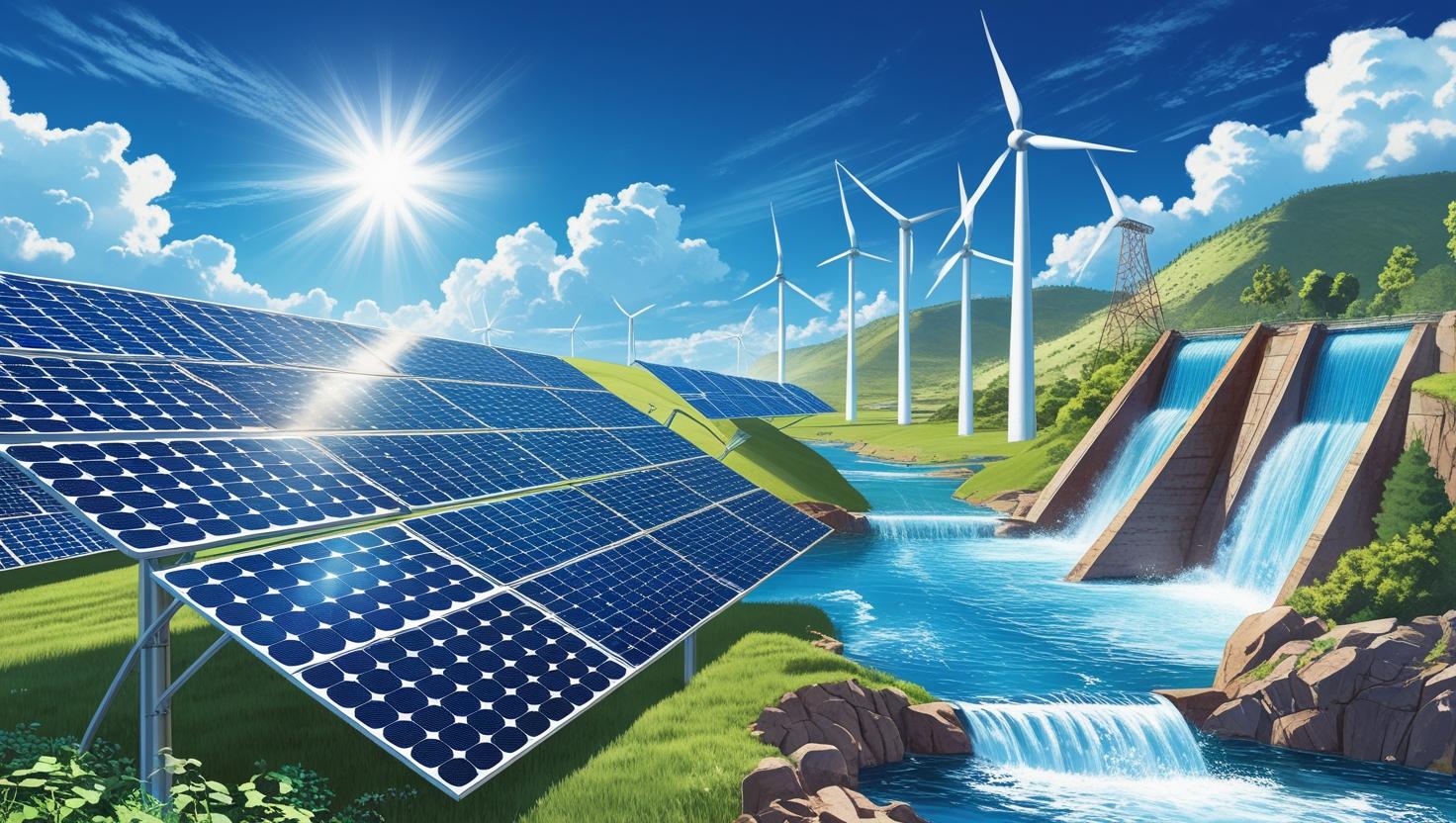
Technological Advancements: The Backbone of Energy Harvesting Innovation
The rapid evolution of technology is one of the most significant key drivers shaping the energy harvesting industry. Innovations in materials science, nanotechnology, and energy conversion techniques have significantly improved the efficiency and scalability of energy harvesting systems. For instance, advancements in photovoltaic cells have led to the development of thin-film solar panels that are lightweight, flexible, and capable of generating power even in low-light conditions. Similarly, thermoelectric generators (TEGs) have become more efficient at converting waste heat into electricity, making them ideal for industrial applications.
Nanotechnology has played a crucial role in enhancing energy harvesting devices. By manipulating materials at the molecular level, researchers have developed highly efficient piezoelectric materials that can convert mechanical vibrations into electrical energy with greater precision. These technological breakthroughs are enabling the integration of energy harvesting systems into smaller, more compact devices, such as wearable electronics and medical implants. As a result, the key drivers shaping the energy harvesting industry are closely tied to the ability of manufacturers to innovate and adapt to emerging technological trends, ensuring that energy harvesting solutions remain competitive and relevant.
Rising Demand for Sustainable and Renewable Energy Solutions
The global emphasis on sustainability is a powerful force among the key drivers shaping the energy harvesting industry. With increasing awareness of the environmental impact of fossil fuels, both consumers and businesses are seeking cleaner, renewable energy alternatives. Energy harvesting technologies offer a sustainable way to harness energy from natural sources without depleting resources or generating harmful emissions. This aligns perfectly with the global push toward achieving net-zero carbon goals and reducing greenhouse gas emissions.
The growing adoption of energy harvesting in various sectors is a testament to its potential. For example:
- Smart Buildings: Energy harvesting systems are used to power sensors and controls, reducing reliance on traditional energy grids.
- Automotive Industry: Hybrid and electric vehicles incorporate energy harvesting technologies to improve fuel efficiency and extend battery life.
This demand for sustainable solutions is encouraging companies to invest in research and development, further driving innovation in the energy harvesting industry. As environmental consciousness continues to rise, the key drivers shaping the energy harvesting industry will remain centered on delivering eco-friendly and efficient energy solutions.
Government Policies and Incentives: Catalysts for Industry Growth
Government policies and incentives are among the most influential key drivers shaping the energy harvesting industry. Around the world, governments are implementing regulations and offering financial incentives to promote the adoption of renewable energy technologies. For instance, subsidies for solar panel installations, tax credits for energy-efficient systems, and grants for research in energy harvesting technologies are encouraging businesses and individuals to embrace these solutions. In 2025, policies aimed at reducing carbon footprints and promoting clean energy are expected to further accelerate industry growth.
In addition to financial incentives, regulatory frameworks are being established to support the integration of energy harvesting systems into public infrastructure. Smart city initiatives, for example, rely on energy harvesting to power streetlights, traffic sensors, and public transportation systems. These government-led efforts are creating a favorable environment for the energy harvesting industry to thrive. By aligning with global sustainability goals, the key drivers shaping the energy harvesting industry through supportive policies are paving the way for widespread adoption and long-term success.
The Role of IoT and Smart Devices in Driving Energy Harvesting Adoption
The proliferation of the Internet of Things (IoT) and smart devices is another critical factor among the key drivers shaping the energy harvesting industry. IoT devices, such as sensors, wearables, and smart home appliances, require low-power, continuous energy sources to operate efficiently. Energy harvesting technologies, such as piezoelectric and solar-powered systems, provide a reliable and sustainable solution for powering these devices without the need for frequent battery replacements.
The integration of energy harvesting with IoT is transforming industries such as healthcare, agriculture, and manufacturing. For example:
- Healthcare: Energy harvesting powers implantable medical devices, enabling continuous monitoring without invasive battery replacement procedures.
- Agriculture: Solar-powered sensors monitor soil conditions and weather patterns, optimizing crop yields with minimal energy costs.
As the number of connected devices continues to grow, the demand for energy harvesting solutions is expected to surge, making it one of the most dynamic key drivers shaping the energy harvesting industry. This synergy between IoT and energy harvesting is unlocking new possibilities for smart, sustainable technologies.
Download PDF Brochure for More Info @
https://www.marketsandmarkets.com/pdfdownloadNew.asp?id=734
Growing Applications in Industrial and Commercial Sectors
The industrial and commercial sectors are increasingly adopting energy harvesting technologies, making them significant key drivers shaping the energy harvesting industry. In industrial settings, energy harvesting systems are used to power sensors that monitor machinery performance, temperature, and environmental conditions. These systems reduce operational costs by minimizing energy consumption and maintenance requirements. For instance, vibration-based energy harvesting is widely used in manufacturing plants to power wireless sensors, eliminating the need for wired power sources.
In the commercial sector, energy harvesting is gaining traction in smart buildings and retail environments. Self-powered sensors and lighting systems enhance energy efficiency, reduce operational costs, and contribute to sustainability goals. The scalability of energy harvesting technologies allows them to be tailored to specific applications, from small-scale sensors to large-scale industrial systems. As businesses prioritize cost-efficiency and environmental responsibility, the key drivers shaping the energy harvesting industry will continue to expand its footprint in these sectors.

Challenges and Opportunities in Scaling Energy Harvesting Technologies
While the key drivers shaping the energy harvesting industry are fueling growth, the sector also faces challenges that must be addressed to unlock its full potential. One major challenge is the high initial cost of developing and deploying energy harvesting systems. Although long-term savings are significant, the upfront investment can deter small businesses and startups. Additionally, the efficiency of some energy harvesting technologies, such as piezoelectric systems, is still limited in low-energy environments, requiring further research to improve performance.
However, these challenges also present opportunities for innovation. Advances in materials science and manufacturing techniques are expected to reduce costs and improve the efficiency of energy harvesting devices. Moreover, partnerships between governments, research institutions, and private companies are fostering collaborative efforts to overcome technical barriers. By addressing these challenges, the key drivers shaping the energy harvesting industry will pave the way for more accessible and efficient solutions, ensuring continued growth and adoption.
Market Trends and Consumer Behavior Influencing the Industry
Market trends and evolving consumer behavior are also key drivers shaping the energy harvesting industry. Consumers are increasingly prioritizing eco-friendly products and solutions, driving demand for energy harvesting technologies in everyday applications. For example, wearable devices powered by kinetic energy and solar-powered chargers are becoming popular among environmentally conscious consumers. This shift in consumer preferences is encouraging manufacturers to develop innovative, user-friendly energy harvesting products.
Additionally, market trends such as the rise of smart cities and the expansion of renewable energy infrastructure are creating new opportunities for the energy harvesting industry. Urban planners are integrating energy harvesting systems into public infrastructure, such as solar-powered streetlights and kinetic energy tiles in high-traffic areas. These trends are not only boosting the adoption of energy harvesting technologies but also reinforcing their role as key drivers shaping the energy harvesting industry in the global transition to sustainable energy.
The Impact of Research and Development on Industry Evolution
Research and development (R&D) is a cornerstone of the key drivers shaping the energy harvesting industry. Continuous investment in R&D is essential for improving the efficiency, durability, and affordability of energy harvesting technologies. Universities, research institutions, and private companies are collaborating to explore new materials, such as perovskite solar cells and advanced piezoelectric composites, that promise higher energy conversion rates. These innovations are critical for expanding the applications of energy harvesting and making it a viable alternative to traditional energy sources.
Furthermore, R&D efforts are focused on integrating energy harvesting with emerging technologies such as artificial intelligence (AI) and machine learning. AI-powered energy harvesting systems can optimize energy collection and distribution, improving overall system performance. By driving technological breakthroughs and fostering interdisciplinary collaboration, R&D remains one of the most impactful key drivers shaping the energy harvesting industry, ensuring its long-term growth and relevance.
Global Energy Policies and Their Influence on Market Expansion
Global energy policies play a pivotal role as key drivers shaping the energy harvesting industry. International agreements, such as the Paris Agreement, have set ambitious targets for reducing carbon emissions and transitioning to renewable energy sources. These policies are encouraging governments and businesses to invest in energy harvesting technologies as part of their broader sustainability strategies. For example, the European Union’s Green Deal includes initiatives to support the development and deployment of energy harvesting systems in urban and rural areas.
In emerging economies, energy harvesting is gaining traction as a solution to address energy access challenges in remote and underserved regions. Solar-powered microgrids and kinetic energy systems are being deployed to provide reliable power without relying on extensive grid infrastructure. These global energy policies are creating a conducive environment for the energy harvesting industry to expand, making them essential key drivers shaping the energy harvesting industry’s future.
The Path Ahead for Energy Harvesting
The future of the energy harvesting industry is bright, with the key drivers shaping the energy harvesting industry poised to propel it to new heights. As technological advancements continue to improve the efficiency and affordability of energy harvesting systems, their adoption is expected to grow across diverse sectors. The increasing focus on sustainability, coupled with supportive government policies, will further accelerate market expansion. Additionally, the integration of energy harvesting with IoT, AI, and other emerging technologies will unlock new applications and opportunities.
Looking ahead, the key drivers shaping the energy harvesting industry will continue to evolve in response to global energy demands and environmental challenges. By 2030, the industry is projected to witness significant growth, driven by innovations in materials, manufacturing, and system integration. Stakeholders who invest in these drivers and adapt to changing market dynamics will be well-positioned to capitalize on the immense potential of energy harvesting, contributing to a more sustainable and energy-efficient world.
Explore In-Depth Semiconductor & Electronics Market Research –https://www.marketsandmarkets.com/semiconductorand-electonics-market-research-87.html
FAQs
Q1: What are the key drivers shaping the energy harvesting industry?
A1: The key drivers shaping the energy harvesting industry include technological advancements, rising demand for sustainable energy, government policies, IoT integration, and growing applications in industrial and commercial sectors.
Q2: How do technological advancements influence the energy harvesting industry?
A2: Technological advancements, such as improvements in photovoltaic cells, thermoelectric generators, and nanotechnology, enhance the efficiency and scalability of energy harvesting systems, making them more viable for widespread use.
Q3: Why is sustainability a key driver in the energy harvesting industry?
A3: Sustainability is a key driver because energy harvesting provides eco-friendly solutions that reduce reliance on fossil fuels, align with global net-zero goals, and meet consumer demand for renewable energy.
Q4: How do government policies support the energy harvesting industry?
A4: Government policies offer subsidies, tax credits, and regulatory frameworks that promote the adoption of energy harvesting technologies, particularly in smart cities and renewable energy projects.
Q5: What role does IoT play in the energy harvesting industry?
A5: IoT drives the demand for low-power energy harvesting solutions to power sensors and smart devices, enabling applications in healthcare, agriculture, and smart infrastructure.
Q6: What challenges does the energy harvesting industry face?
A6: Challenges include high initial costs, limited efficiency in low-energy environments, and the need for further research to improve performance and affordability.
Q7: What is the future outlook for the energy harvesting industry?
A7: The industry is expected to grow significantly by 2030, driven by technological innovations, sustainability goals, and the integration of energy harvesting with emerging technologies like AI and IoT.
See The Latest Semiconductor Reports:
Hydrogen Detection Market Size, Share & Trends : https://www.marketsandmarkets.com/Market-Reports/hydrogen-detection-market-52631881.html
Supercapacitor Market Size, Share & Trends : https://www.marketsandmarkets.com/Market-Reports/supercapacitor-market-37140453.html
Valve Positioner Market Size, Share & Trends : https://www.marketsandmarkets.com/Market-Reports/valve-positioner-market-138950854.html
Environmental Remediation Market Size, Share & Trends : https://www.marketsandmarkets.com/Market-Reports/environmental-remediation-market-93290334.html
Control Valve Market Size, Share & Trends : https://www.marketsandmarkets.com/Market-Reports/control-valves-market-111759647.html
