The automotive industry is undergoing a seismic shift, driven by the rapid integration of artificial intelligence (AI). AI applications in the automotive industry are reshaping how vehicles are designed, manufactured, and operated, paving the way for smarter, safer, and more efficient transportation. From autonomous driving systems to predictive maintenance and personalized in-car experiences, AI is at the heart of this transformation.
The global Automotive AI Market size was estimated at USD 15.51 billion in 2024 and is predicted to increase from USD 18.83 billion in 2025 to approximately USD 38.45 billion by 2030, expanding at a CAGR of 15.3% from 2025 to 2030.

Key Areas Where AI Applications Are Transforming the Automotive Industry
AI applications in the automotive industry span multiple domains, each contributing to enhanced efficiency, safety, and user satisfaction. Below are the primary areas where AI is making a significant impact:
- Autonomous Driving Systems: AI powers self-driving cars through machine learning models that process sensor data from cameras, LIDAR, and radar. These systems enable vehicles to navigate complex environments, detect obstacles, and make real-time decisions, reducing human error and enhancing road safety.
- Predictive Maintenance: AI algorithms analyze vehicle data to predict potential mechanical issues before they occur. This reduces downtime, lowers maintenance costs, and extends vehicle lifespan, benefiting both manufacturers and consumers.
- In-Car Personalization: AI-driven infotainment systems learn driver preferences, adjusting settings like climate control, music, and navigation routes. Voice assistants powered by natural language processing (NLP) enhance user interaction, making driving more comfortable.
- Manufacturing Optimization: AI streamlines production lines by optimizing workflows, detecting defects, and improving supply chain management. Robotics powered by AI ensures precision in assembly, boosting efficiency and reducing errors.
These applications highlight the versatility of AI in revolutionizing the automotive sector, making vehicles smarter and more reliable.
The Role of AI in Advancing Autonomous Driving Technologies
Autonomous driving is arguably the most prominent of AI applications in the automotive industry. Self-driving vehicles rely on AI to process data from multiple sensors, including cameras, radar, and LIDAR, to navigate roads safely. Machine learning models analyze this data to identify objects, predict pedestrian movements, and make split-second decisions. Companies like Tesla and Waymo have deployed AI-driven systems that enable Level 4 autonomy, where vehicles can operate without human intervention in specific conditions. The growth of AI applications in the automotive industry has also led to advancements in vehicle-to-everything (V2X) communication, allowing cars to interact with infrastructure and other vehicles for safer navigation. As AI continues to evolve, the dream of fully autonomous vehicles is becoming a reality, promising to reduce accidents and improve traffic efficiency.
Enhancing Vehicle Safety Through AI-Driven Solutions
Safety is a cornerstone of AI applications in the automotive industry. AI-powered advanced driver-assistance systems (ADAS) have significantly reduced road accidents by providing features like automatic emergency braking, lane-keeping assist, and blind-spot detection. These systems use computer vision and deep learning to monitor the vehicle’s surroundings and respond to potential hazards faster than a human driver. For instance, AI can detect drowsy driving by analyzing driver behavior through in-cabin cameras, issuing alerts to prevent accidents. Additionally, AI applications in the automotive industry enable real-time traffic analysis, helping drivers avoid congested or hazardous routes. By continuously learning from driving data, these systems become more accurate, making roads safer for everyone.
AI-Powered Manufacturing Processes: Revolutionizing Production Efficiency
The manufacturing sector within the automotive industry has embraced AI to streamline operations and enhance productivity. AI applications in the automotive industry are transforming production lines through automation and data-driven insights. Key advancements include:
- Robotic Automation: AI-powered robots perform tasks like welding, painting, and assembly with unmatched precision, reducing human error and speeding up production.
- Quality Control: Computer vision systems detect defects in real time, ensuring high-quality output and minimizing waste.
- Supply Chain Optimization: AI analyzes demand patterns, inventory levels, and logistics data to optimize supply chains, reducing costs and delays.
By integrating AI into manufacturing, automakers can produce vehicles faster, more cost-effectively, and with higher quality, meeting the growing demand for innovative vehicles.
Personalizing the Driving Experience with AI Technologies
AI applications in the automotive industry are redefining the in-car experience by offering personalized features tailored to individual drivers. AI-powered infotainment systems use machine learning to adapt to user preferences, such as favorite music playlists, seat positions, or navigation routes. Natural language processing enables voice assistants like Amazon’s Alexa or Google Assistant to understand and respond to complex commands, making interactions seamless. AI also enhances connectivity through over-the-air (OTA) updates, allowing vehicles to receive software upgrades without visiting a service center. These advancements ensure that drivers enjoy a customized, intuitive, and engaging experience, setting a new standard for automotive innovation.
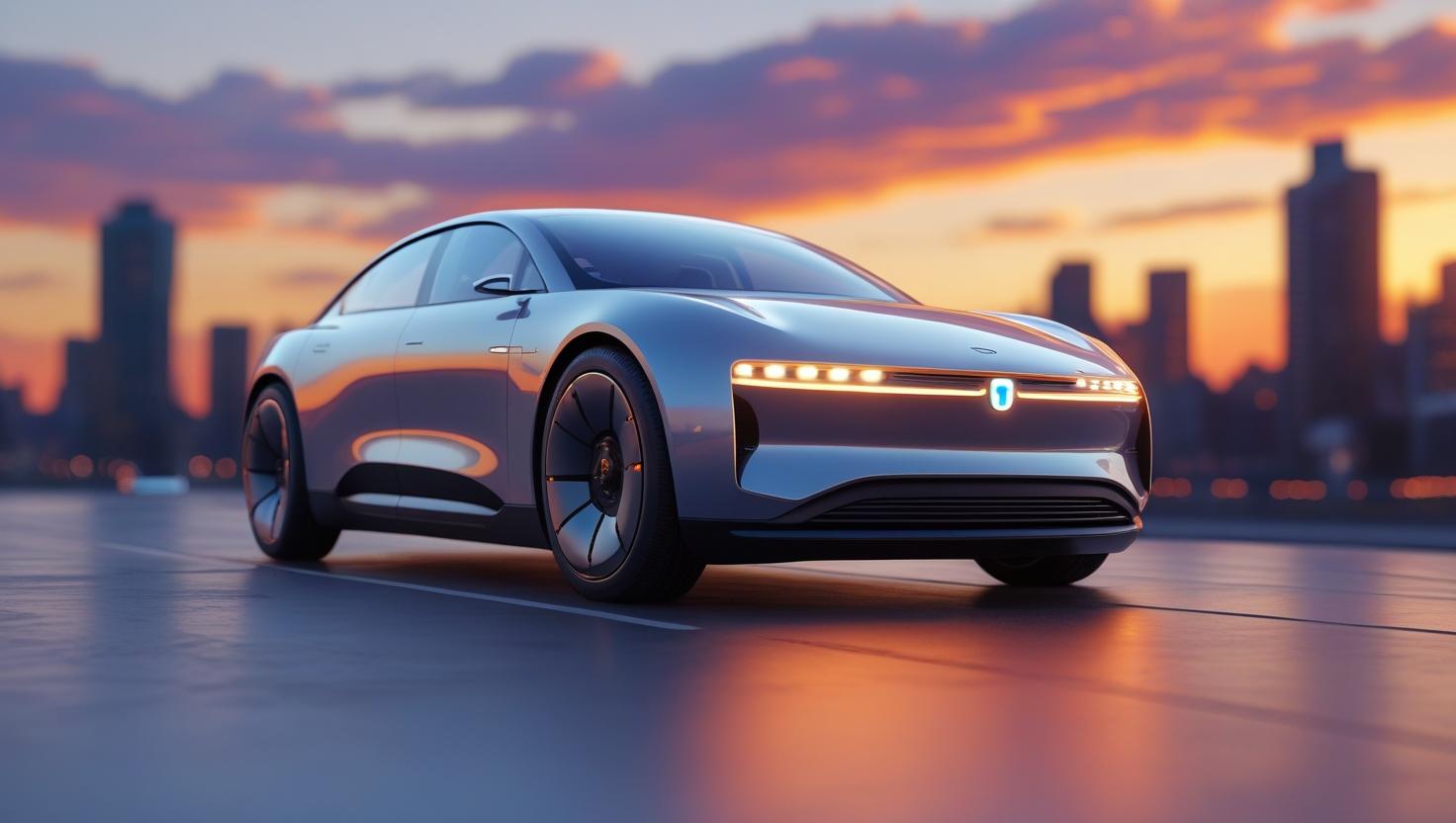
The Impact of AI on Electric and Hybrid Vehicle Development
AI applications in the automotive industry are playing a pivotal role in the rise of electric vehicles (EVs) and hybrids. AI optimizes battery management systems by predicting energy consumption and extending battery life through efficient charging algorithms. For instance, Tesla’s AI-driven systems monitor driving patterns to optimize range and performance. Additionally, AI aids in designing lightweight materials and aerodynamic shapes, improving EV efficiency. In hybrid vehicles, AI algorithms manage the balance between electric and combustion engines, maximizing fuel economy. As the demand for sustainable transportation grows, AI applications in the automotive industry are accelerating the development of eco-friendly vehicles, aligning with global environmental goals.
Challenges and Ethical Considerations in Implementing AI in the Automotive Sector
While AI applications in the automotive industry offer immense potential, they also present challenges and ethical dilemmas. Data privacy is a significant concern, as AI systems collect vast amounts of driver and vehicle data, raising questions about security and consent. Ethical issues also arise in autonomous driving, particularly regarding decision-making in critical situations, such as choosing between two unavoidable accidents. Additionally, the high cost of AI integration can limit accessibility, creating disparities between luxury and budget vehicles. Regulatory frameworks are still evolving, with governments working to establish safety standards for AI-driven vehicles. Addressing these challenges is crucial to ensuring the responsible growth of AI applications in the automotive industry.
The Future Potential of AI Applications in Shaping the Automotive Industry
The future of AI applications in the automotive industry is brimming with possibilities. As AI technologies advance, we can expect fully autonomous vehicles to become mainstream, transforming urban mobility and logistics. AI-driven predictive analytics will further enhance vehicle maintenance, reducing breakdowns and improving reliability. The integration of AI with the Internet of Things (IoT) will enable smarter vehicle-to-vehicle (V2V) and vehicle-to-infrastructure (V2I) communication, creating connected ecosystems that optimize traffic flow. Additionally, AI applications in the automotive industry will drive sustainability by improving energy efficiency and supporting the development of next-generation EVs. With ongoing research and investment, AI is poised to redefine the automotive landscape, making transportation safer, greener, and more efficient.
Download PDF Brochure @ https://www.marketsandmarkets.com/pdfdownloadNew.asp?id=248804391
Real-World Examples of AI Applications Driving Automotive Innovation
Several companies are leading the charge in implementing AI applications in the automotive industry. Tesla’s Autopilot system, powered by its proprietary AI chip, enables semi-autonomous driving and continuous software updates. Waymo’s self-driving taxis, operating in select cities, rely on AI to navigate complex urban environments. General Motors uses AI in its Cruise division to develop autonomous vehicles, while BMW integrates AI into its iDrive system for personalized driver experiences. In manufacturing, Ford employs AI-powered robots to enhance assembly line efficiency, and Toyota uses AI for predictive maintenance in its connected vehicles. These examples underscore the transformative impact of AI applications in the automotive industry across various domains.
Economic and Environmental Benefits of AI in the Automotive Sector
AI applications in the automotive industry deliver significant economic and environmental benefits. Economically, AI reduces production costs through automation and predictive maintenance, allowing manufacturers to optimize resources and improve profit margins. For consumers, AI-driven features like fuel optimization and extended vehicle lifespan lower ownership costs. Environmentally, AI supports the transition to EVs by improving battery efficiency and reducing emissions. AI-powered traffic management systems also minimize congestion, reducing fuel consumption and greenhouse gas emissions. By fostering efficiency and sustainability, AI applications in the automotive industry contribute to a greener and more cost-effective future for transportation.
The Road Ahead for AI in the Automotive Industry
The growth of AI applications in the automotive industry is reshaping the future of mobility, driving innovation across design, manufacturing, safety, and user experience. From autonomous vehicles to personalized infotainment, AI is enabling smarter, safer, and more sustainable transportation. While challenges like data privacy and ethical considerations remain, the potential of AI to transform the automotive sector is undeniable. As technology continues to evolve, AI applications in the automotive industry will play a central role in creating a connected, efficient, and eco-friendly mobility ecosystem, paving the way for a revolutionary era in automotive innovation.
Explore In-Depth Semiconductor & Electronics Market Research – https://www.marketsandmarkets.com/semiconductorand-electonics-market-research-87.html
FAQs
1. What are the primary AI applications in the automotive industry?
AI applications in the automotive industry include autonomous driving, predictive maintenance, in-car personalization, and manufacturing optimization, enhancing safety, efficiency, and user experience.
2. How does AI improve vehicle safety?
AI improves safety through advanced driver-assistance systems (ADAS) like automatic braking, lane-keeping assist, and drowsy driver detection, using real-time data analysis to prevent accidents.
3. Can AI help reduce automotive manufacturing costs?
Yes, AI optimizes manufacturing by automating tasks, improving quality control, and streamlining supply chains, reducing errors and operational costs.
4. What role does AI play in electric vehicle development?
AI enhances electric vehicles by optimizing battery management, improving energy efficiency, and designing lightweight materials, supporting the growth of sustainable transportation.
5. What are the challenges of implementing AI in the automotive industry?
Challenges include data privacy concerns, ethical dilemmas in autonomous driving, high implementation costs, and the need for regulatory frameworks to ensure safety and accountability.
See The Latest Semiconductor Reports:
Data Center Interconnect Market Size, Share & Trends : https://www.marketsandmarkets.com/Market-Reports/data-center-interconnect-market-40733195.html
Machine Control System Market Size, Share & Trends: https://www.marketsandmarkets.com/Market-Reports/machine-control-system-market-62579001.html
Hydrogen Detection Market Size, Share & Trends : https://www.marketsandmarkets.com/Market-Reports/hydrogen-detection-market-52631881.html
Environmental Remediation Market Size, Share & Trends : https://www.marketsandmarkets.com/Market-Reports/environmental-remediation-market-93290334.html
Control Valve Market Size, Share & Trends : https://www.marketsandmarkets.com/Market-Reports/control-valves-market-111759647.html
