The integration of power electronics in telecommunication sector has revolutionized how communication networks operate, ensuring seamless connectivity in an increasingly digital world. Power electronics, which involves the control and conversion of electrical power using semiconductor devices, plays a pivotal role in optimizing energy usage within telecom infrastructure. From base stations to data centers, the application of power electronics in telecommunication sector addresses critical needs for efficiency, reliability, and scalability. As global data traffic surges, driven by 5G and beyond, the demand for advanced power management solutions has never been higher. This article delves into the fundamentals, applications, benefits, challenges, and future prospects of power electronics in telecommunication sector, highlighting its indispensable contribution to modern telecommunications.
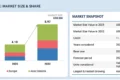
The global Power Electronics Market size was estimated at USD 55.32 billion in 2024 and is predicted to increase from USD 51.73 billion in 2025 to approximately USD 67.42 billion by 2030, expanding at a CAGR of 5.4% from 2025 to 2030.
Overview of Telecommunication Sector Demands
The telecommunication sector is characterized by its need for uninterrupted power supply to support voice, data, and video transmission across vast networks. With the proliferation of mobile devices and internet-of-things (IoT) applications, telecom infrastructure faces immense pressure to maintain high availability. Power electronics in telecommunication sector addresses these demands by providing robust solutions for power conversion and distribution. Telecom towers, switches, and routers require stable DC power, often converted from AC sources, making efficient rectifiers and inverters crucial. Moreover, the sector’s shift towards green energy sources, like solar and wind, necessitates advanced power conditioning to integrate renewable inputs seamlessly. The global push for 5G networks amplifies these requirements, as higher data speeds demand more power-dense equipment. In essence, power electronics in telecommunication sector ensures that telecom systems can handle peak loads without compromising performance, paving the way for a connected future.
Key Applications of Power Electronics
Power electronics finds diverse applications in the telecommunication sector, each tailored to specific operational needs. One primary area is in power supplies for base transceiver stations (BTS), where DC-DC converters regulate voltage levels to power antennas and amplifiers efficiently. These converters minimize heat generation and extend battery life in remote locations. Another critical application is in uninterruptible power supplies (UPS) systems, which use inverters to provide backup power during outages, ensuring continuous service. In data centers supporting telecom operations, power factor correction (PFC) circuits optimize energy usage, reducing utility costs. Furthermore, power electronics in telecommunication sector facilitates the integration of hybrid power systems, combining grid, battery, and renewable sources for optimal reliability. These applications underscore the versatility of power electronics, enabling telecom providers to meet evolving consumer demands while maintaining operational efficiency.
In rectifier systems, power electronics in telecommunication sector employs high-efficiency modules to convert AC to DC with minimal losses. For example, active front-end rectifiers adjust power factor dynamically, improving overall grid compatibility.
Efficiency Improvements Through Power Electronics
Efficiency is a cornerstone of modern telecommunications, and power electronics in telecommunication sector delivers significant gains in this regard. Traditional power systems often suffer from high losses during conversion, but advanced topologies like resonant converters achieve efficiencies exceeding 95%. This reduction in energy waste translates to lower operational costs and reduced carbon footprints for telecom operators. In high-power applications, such as microwave transmission links, wide-bandgap semiconductors enable faster switching, further enhancing efficiency. Moreover, intelligent control algorithms, often implemented via digital signal processors (DSPs), allow real-time optimization of power flow. By minimizing standby power consumption in idle equipment, power electronics in telecommunication sector contributes to sustainable practices. Overall, these efficiency improvements not only bolster the bottom line but also support global efforts towards energy conservation in the telecom industry.
Reliability Enhancements in Telecom Networks
Reliability is paramount in telecommunications, where even brief downtimes can result in substantial losses. Power electronics in telecommunication sector enhances reliability through fault-tolerant designs and redundant configurations. For instance, modular power supplies allow hot-swapping of components without interrupting service, ensuring high uptime. Advanced protection circuits detect overvoltage, overcurrent, and thermal issues, preventing cascading failures. In harsh environments, like remote cell sites, ruggedized converters withstand extreme temperatures and vibrations. Additionally, power electronics facilitates predictive maintenance by monitoring parameters in real-time, alerting operators to potential issues. This proactive approach minimizes unplanned outages, reinforcing the dependability of telecom networks. As a result, power electronics in telecommunication sector is instrumental in achieving the five-nines availability (99.999%) that the industry strives for.
Bullet points can highlight specific reliability features in power electronics in telecommunication sector:
- Redundant power paths to eliminate single points of failure.
- Advanced thermal management systems for prolonged component life.
- Surge protection mechanisms against lightning and grid fluctuations.
- Integrated diagnostics for early fault detection.
These elements collectively ensure that telecommunication infrastructure remains robust against various challenges.
Challenges in Implementing Power Electronics
Despite its benefits, implementing power electronics in telecommunication sector comes with challenges that require careful consideration. One major hurdle is the high initial cost of advanced components like SiC and GaN devices, which can strain budgets for widespread deployment. Electromagnetic interference (EMI) generated by high-speed switching can also disrupt sensitive telecom signals, necessitating sophisticated filtering techniques. Heat dissipation remains a concern in compact designs, demanding innovative cooling solutions. Moreover, integrating power electronics with legacy systems poses compatibility issues, often requiring custom engineering. Regulatory standards for safety and efficiency add layers of complexity to design processes. Addressing these challenges is crucial for maximizing the potential of power electronics in telecommunication sector, and ongoing research aims to mitigate them through cost reductions and technological refinements.
Integration with Renewable Energy Sources
The telecommunication sector’s growing emphasis on sustainability has led to increased integration of renewable energy, where power electronics in telecommunication sector plays a vital role. Solar photovoltaic (PV) systems, for example, use maximum power point tracking (MPPT) converters to optimize energy harvest from panels. Wind turbines similarly benefit from AC-DC converters that stabilize variable outputs for telecom loads. Hybrid systems combine these renewables with batteries, managed by bidirectional converters for efficient charging and discharging. This integration reduces reliance on diesel generators in off-grid sites, lowering emissions and fuel costs. Power electronics also enables smart grid interactions, allowing telecom facilities to participate in demand-response programs. By facilitating clean energy adoption, power electronics in telecommunication sector supports the industry’s transition to eco-friendly operations.
Download PDF Brochure @ https://www.marketsandmarkets.com/pdfdownloadNew.asp?id=204729766
Role in 5G and Future Networks
The advent of 5G technology has amplified the importance of power electronics in telecommunication sector, as it demands higher power densities and lower latencies. Massive multiple-input multiple-output (MIMO) antennas require efficient amplifiers powered by advanced DC-DC converters to handle increased signal processing loads. Edge computing nodes, integral to 5G, rely on compact power modules for reliable operation in distributed architectures. Looking ahead, 6G networks will likely incorporate terahertz frequencies, necessitating even more sophisticated power management to mitigate losses. Power electronics will also support network slicing, enabling dynamic power allocation based on service requirements. Innovations like wireless power transfer could further transform telecom infrastructure. Thus, power electronics in telecommunication sector is key to realizing the full potential of next-generation networks.
Bullet points outline emerging trends in power electronics for future telecom:
- Adoption of AI-driven power optimization for predictive load balancing.
- Development of ultra-high-frequency converters for millimeter-wave applications.
- Integration of energy harvesting from ambient sources like RF signals.
- Enhanced cybersecurity features in power control systems to prevent disruptions.
These trends position power electronics as a forward-looking enabler in the telecommunication sector.
Case Studies of Successful Implementations
Examining real-world implementations illustrates the impact of power electronics in telecommunication sector. In one instance, a major telecom provider upgraded its base stations with GaN-based amplifiers, achieving a 30% reduction in power consumption while improving signal coverage. Another example involves data centers deploying modular UPS systems with IGBT inverters, which provided seamless failover during grid instabilities, maintaining 100% uptime. Rural telecom networks have benefited from hybrid solar-diesel systems using MPPT controllers, cutting operational costs by 40% in remote areas. These cases demonstrate how tailored power electronics solutions address specific challenges, delivering measurable returns on investment. By learning from such successes, other operators can replicate effective strategies in their deployments.
Economic Benefits for Telecom Operators
Economically, power electronics in telecommunication sector offers substantial advantages through cost savings and revenue opportunities. Reduced energy bills from efficient converters directly impact profitability, especially in power-intensive operations. Lower maintenance needs due to reliable components decrease long-term expenses. Additionally, by enabling renewable integration, operators can access incentives like tax credits for green initiatives. Enhanced network performance attracts more subscribers, boosting market share. In competitive markets, the ability to offer reliable, high-speed services differentiates providers. Overall, the economic rationale for investing in power electronics in telecommunication sector is compelling, with payback periods often under three years for major upgrades.
Technological Advancements Driving Progress
Technological advancements continue to propel power electronics in telecommunication sector forward. The rise of digital twins allows virtual simulation of power systems for optimized designs. Machine learning algorithms enhance adaptive control, predicting and adjusting to load variations. Nanostructured materials improve device performance at the atomic level. Integration with blockchain for secure energy transactions in microgrids is an emerging frontier. These advancements not only solve current limitations but also open new possibilities for innovation. As research accelerates, power electronics will remain a dynamic field, continually adapting to telecommunication needs.
Training and Skill Development Needs
To fully leverage power electronics in telecommunication sector, workforce development is essential. Engineers require specialized training in semiconductor technologies and control systems. Certification programs in power conversion design can bridge knowledge gaps. Collaboration between academia and industry fosters practical skills through internships and workshops. Continuous learning is vital given rapid technological changes. By investing in human capital, telecom companies ensure effective implementation and maintenance of power electronics solutions.
The Future Outlook
In conclusion, power electronics in telecommunication sector is a transformative force, enabling efficient, reliable, and sustainable communication networks. As technology evolves, its role will only expand, supporting innovations from 5G to AI-integrated systems. Telecom operators must prioritize investments in advanced power solutions to stay competitive. The synergy between power electronics and telecommunications promises a resilient, connected world, where seamless data flow meets energy efficiency.
Explore In-Depth Semiconductor & Electronics Market Research
https://www.marketsandmarkets.com/semiconductorand-electonics-market-research-87.html
FAQs
What is the role of power electronics in telecommunication sector?
Power electronics in telecommunication sector manages power conversion and control, ensuring efficient energy use in networks like base stations and data centers.
How does power electronics improve efficiency in telecom?
It reduces energy losses through advanced converters and semiconductors, leading to lower costs and better performance in telecommunication infrastructure.
What are the main applications of power electronics in telecommunication?
Key applications include DC-DC converters for base stations, UPS systems for backup, and integration with renewables for sustainable power supply.
What challenges exist in adopting power electronics in telecommunication sector?
Challenges include high costs, EMI issues, heat management, and compatibility with legacy systems, requiring innovative solutions.
How does power electronics support 5G networks?
It provides high-density power for MIMO antennas and edge computing, enabling faster switching and lower latencies in advanced telecom setups.
Are there environmental benefits to power electronics in telecommunication?
Yes, it promotes energy efficiency and renewable integration, reducing emissions and supporting sustainable practices in the sector.
What future trends are expected in power electronics for telecom?
Trends include AI optimization, ultra-high-frequency converters, and energy harvesting, driving next-gen networks like 6G.
How can telecom operators economically benefit from power electronics?
Through reduced energy bills, lower maintenance, and incentives for green tech, leading to quick ROI and competitive advantages.
What skills are needed for working with power electronics in telecommunication?
Specialized training in semiconductors, control systems, and design, often through certifications and industry collaborations.
Is power electronics essential for remote telecom sites?
Absolutely, it enables hybrid power systems with batteries and renewables, ensuring reliability in off-grid locations.
See The Latest Semiconductor Reports:
Sensor Patch Market Size, Share & Trends : https://www.marketsandmarkets.com/Market-Reports/sensor-patch-market-50239064.html
Semiconductor Market for Robots Size, Share & Trends: https://www.marketsandmarkets.com/Market-Reports/semiconductor-market-for-robots-115553523.html
Virtual Production Market Size, Share & Trends: https://www.marketsandmarkets.com/Market-Reports/virtual-production-market-264844353.html
Haptic Technology Market Size, Share & Trends : https://www.marketsandmarkets.com/Market-Reports/haptic-technology-market-443.html
Microgrid Market Size, Share & Trends: https://www.marketsandmarkets.com/Market-Reports/micro-grid-electronics-market-917.html
Oil Condition Monitoring Market Size, Share & Trends: https://www.marketsandmarkets.com/Market-Reports/oil-condition-monitoring-market-62105661.html