The fourth industrial revolution, known as Industry 4.0, is fundamentally reshaping the manufacturing landscape through cyber physical systems and the Internet of Things. At the very heart of this transformative shift lies a powerful concept that bridges the physical and digital worlds. This concept is the digital twin, a dynamic virtual representation of a physical object, process, or system. The future of Digital Twin in Industry 4.0 promises to unlock unprecedented levels of efficiency, innovation, and predictive power. It moves beyond simple simulation to create a living, breathing digital counterpart that evolves throughout an asset’s entire lifecycle. This technology is poised to become the central nervous system of smart factories and beyond.
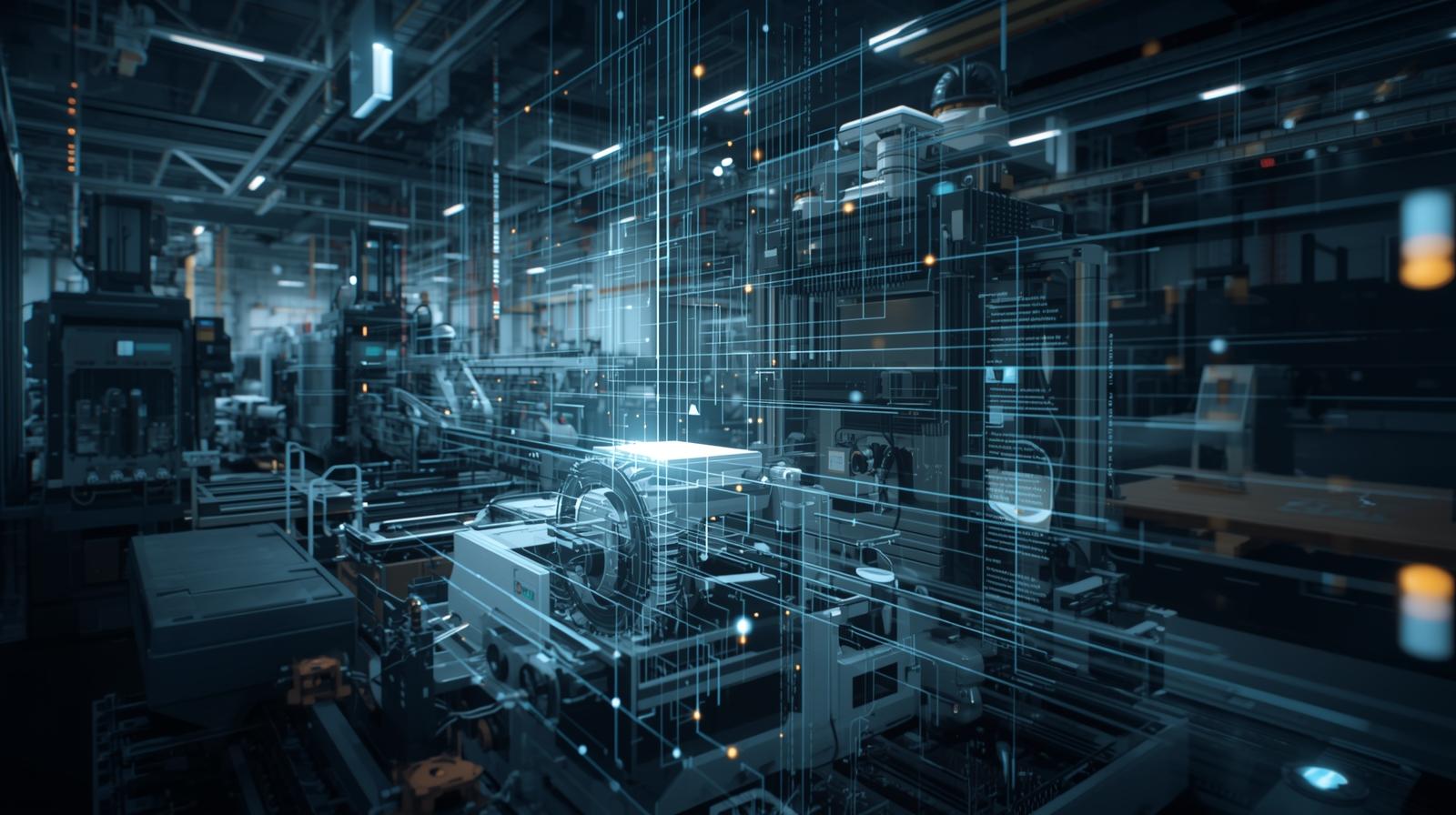
A digital twin is far more complex than a basic computer aided design model or a static digital replica. It is an integrated system that continuously learns and updates itself using data from sensors embedded in the physical asset. This bidirectional flow of information allows the digital model to mirror the exact state, condition, and behavior of its physical twin in real time. The data encompasses everything from operational parameters like temperature and vibration to environmental factors and performance metrics. This creates a closed loop where insights gained in the digital realm can be used to optimize and command the physical world. The future of Digital Twin in Industry 4.0 depends on this seamless, real time data integration.
The core value of a digital twin is derived from its ability to enable deep analysis and generate actionable insights. Engineers and data scientists can use the virtual model to run simulations, test scenarios, and predict outcomes without any risk to the physical asset. This capability is revolutionizing how companies approach product development, operational efficiency, and maintenance strategies. By leveraging advanced analytics and machine learning algorithms, digital twins can identify patterns and anomalies that would be impossible for humans to detect. This predictive power is a cornerstone of the future of Digital Twin in Industry 4.0, allowing businesses to move from reactive to proactive operations.
Several key technologies converge to make digital twins possible and powerful. The Internet of Things provides the critical sensor data that fuels the digital model. Cloud computing offers the vast scalable storage and processing power needed to handle this data. Advanced analytics and artificial intelligence algorithms find patterns and generate insights from the information. Furthermore augmented reality can be used to overlay digital twin data onto the physical world for maintenance crews. This technological synergy creates a robust ecosystem for digital twin operation. The continuous advancement in each area directly enhances digital twin capabilities.
The applications of digital twins are vast and span across numerous sectors. In manufacturing digital twins are used to create entire virtual production lines. This allows for the optimization of workflows and the identification of bottlenecks before they occur. The aerospace industry uses digital twins to monitor the health of aircraft engines and structures during flights. Automotive companies create digital twins of vehicles to improve safety features and performance. Even urban planning is being transformed through digital twins of entire smart cities. The future of digital twin in Industry 0 will see its adoption spread to nearly every engineering discipline.
- Predictive maintenance is revolutionized as algorithms analyze twin data to forecast failures before they happen thus minimizing unplanned downtime.
- Product development cycles are accelerated by enabling virtual testing and refinement which slashes both time to market and associated costs.
The benefits of implementing digital twin technology are substantial and directly impact the bottom line. Companies experience a significant reduction in downtime through predictive maintenance alerts. Operational efficiency is greatly improved by optimizing processes in the virtual world first. There is a notable increase in product quality and reliability due to enhanced testing capabilities. Safety is improved by identifying and mitigating risks in a safe digital environment. Overall businesses achieve greater agility and faster innovation cycles. The return on investment for digital twin projects is becoming increasingly clear and compelling.
Despite the clear advantages several challenges must be addressed for wider adoption. The initial cost of implementation can be high requiring significant investment in sensors and infrastructure. Data security is a major concern as a digital twin creates a valuable and complex cyber physical system. There is also a need for robust data governance to ensure the quality and integrity of the data flowing into the model. Furthermore a skills gap exists as industries need workers who understand both data science and traditional engineering. Overcoming these hurdles is essential for unlocking the full potential of digital twins.
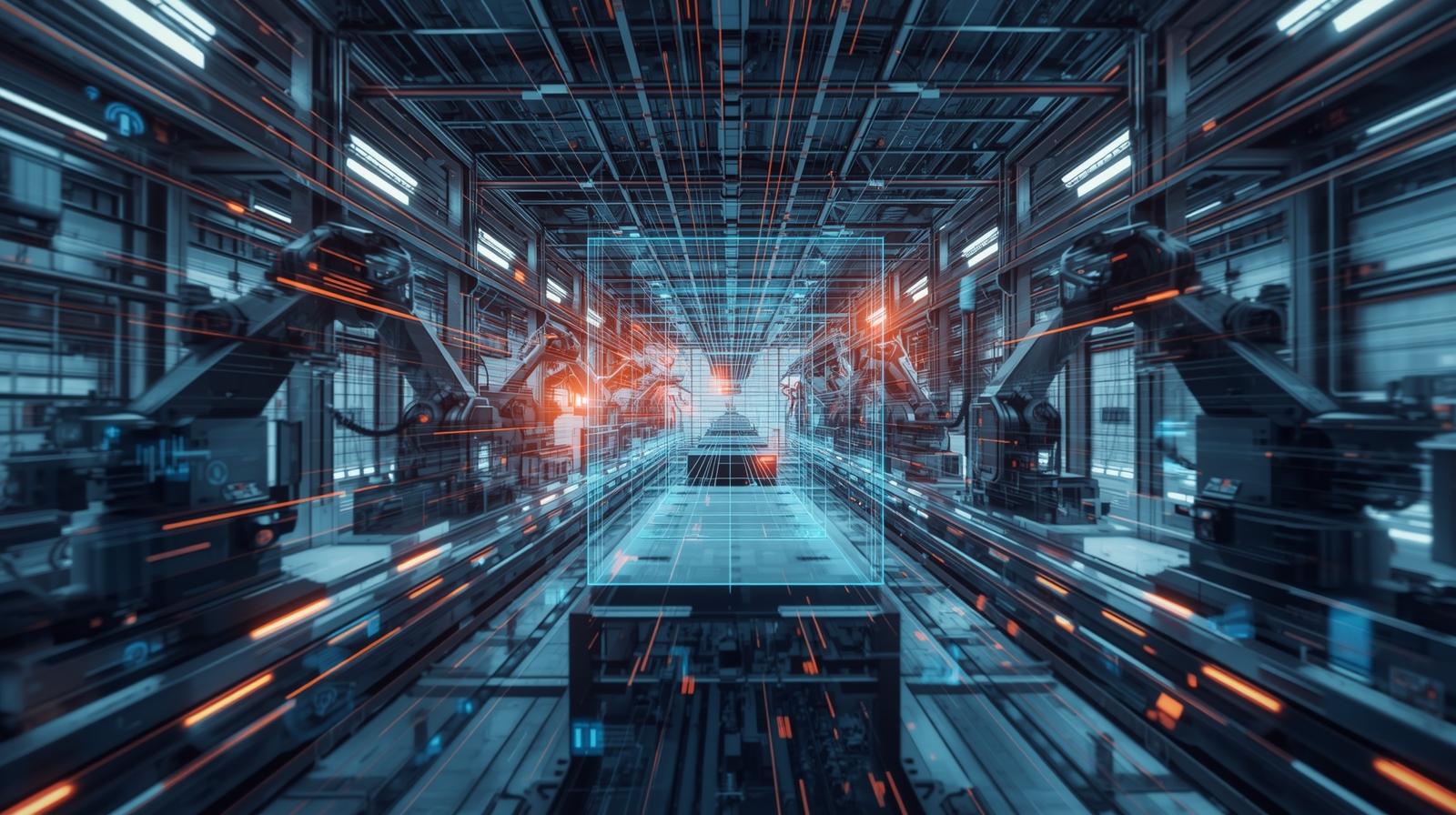
The future of digital twin in Industry 4.0 will be shaped by several exciting trends. We will see the rise of cognitive digital twins that use AI to make autonomous decisions. The scope will expand from single assets to entire systems of systems creating twin networks. Integration with augmented reality will become standard for immersive interaction and training. Digital twins will also become more accessible through platform as a service models. Sustainability will be a key driver as twins optimize energy use and reduce waste. These advancements will make digital twins more intelligent interconnected and indispensable.
The global Digital Twin Market size was estimated at USD 14.46 billion in 2024 and is predicted to increase from USD 21.14 billion in 2025 to approximately USD 149.81 billion by 2030, expanding at a CAGR of 47.9% from 2025 to 2030.
Download PDF Brochure @
https://www.marketsandmarkets.com/pdfdownloadNew.asp?id=225269522
In conclusion the digital twin is a cornerstone technology of Industry 4.0. It provides a powerful paradigm for understanding controlling and optimizing the physical world. The future of digital twin in Industry 4.0 is not just about creating digital copies but about building intelligent partners. These partners will enable predictive decision making drive innovation and create more resilient operations. As technology continues to evolve digital twins will become more sophisticated and deeply integrated. They are set to redefine the boundaries of what is possible in industrial production and beyond. Embracing this technology is key to thriving in the modern digital economy.
Explore In-Depth Semiconductor & Electronics Market Research:
https://www.marketsandmarkets.com/semiconductorand-electonics-market-research-87.html
Frequently Asked Questions (FAQs)
What is a simple definition of a digital twin?
A digital twin is a virtual digital model of a physical object process or system. It is connected to its physical counterpart through data allowing for real time monitoring simulation and analysis.
How does a digital twin differ from a simulation?
While a simulation is a model that runs for a specific scenario a digital twin is a dynamic virtual copy that continuously updates with data from its physical twin. It runs multiple simulations in real time based on actual conditions.
What are the primary benefits of using digital twins?
The key benefits include predictive maintenance to prevent failures reduced operational downtime optimized product design and development improved decision making through data insights and enhanced risk management.
Which industries benefit the most from digital twin technology?
Manufacturing aerospace automotive energy and utilities and smart city development are among the top industries leveraging digital twins for design operation and maintenance of complex assets and systems.
What is needed to implement a digital twin?
Implementation requires sensors on the physical asset to collect data a reliable data transmission network a computing platform to host the model and software to create the virtual representation and analyze the data.
See The Latest Semiconductor Reports:
Solid State Relay Market Size, Share & Trends : https://www.marketsandmarkets.com/Market-Reports/solid-state-relay-market-260413598.html
Battery Technology Market Size, Share & Trends : https://www.marketsandmarkets.com/Market-Reports/battery-technology-market-253343109.html
Radiation Hardened Electronics Market Size, Share & Trends : https://www.marketsandmarkets.com/Market-Reports/radiation-hardened-electronics-market-44047967.html
Smart Appliances Market Size, Share & Trends : https://www.marketsandmarkets.com/Market-Reports/smart-appliances-market-8228252.html
Quantum Computing Market Size, Share & Trends : https://www.marketsandmarkets.com/Market-Reports/quantum-computing-market-144888301.html
Cold Chain Monitoring Market Size, Share & Trends : https://www.marketsandmarkets.com/Market-Reports/cold-chain-monitoring-market-161738480.html