In an increasingly digital world, security remains a paramount concern for individuals and organizations alike. As traditional password-based systems show their limitations, biometric security solutions—especially fingerprint sensors—have emerged as a robust alternative. Fingerprint sensors are rapidly transforming the way we authenticate identity, providing enhanced security, convenience, and efficiency. Explores how fingerprint sensors are shaping the future of biometric security and what that means for various industries.
The Evolution of Fingerprint Sensors
Fingerprint recognition technology is one of the oldest forms of biometric identification, dating back over a century to its use in forensics. However, the integration of fingerprint sensors into consumer electronics and security systems has accelerated in the last decade, thanks to advancements in sensor accuracy, miniaturization, and processing power.
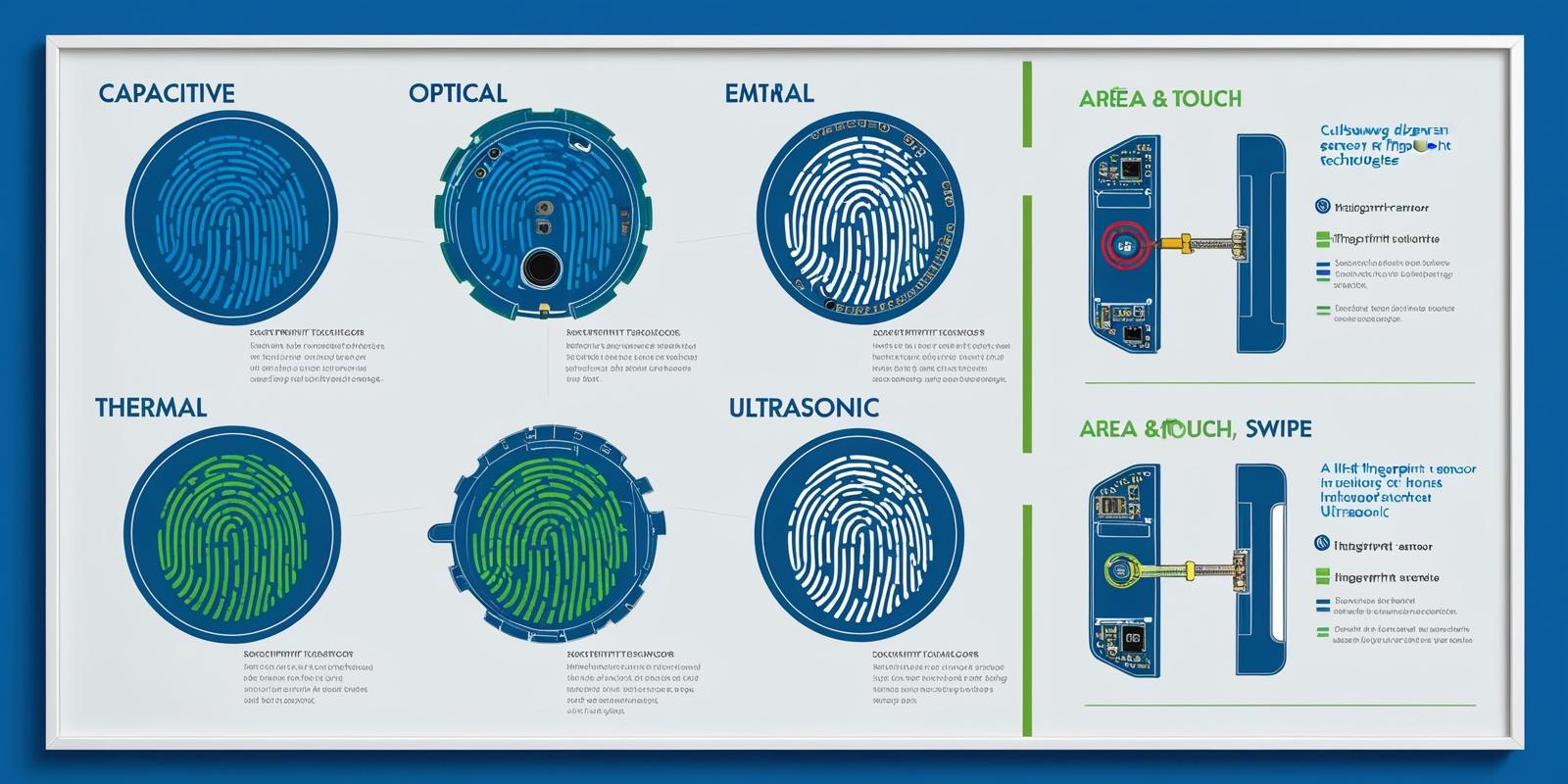
Modern fingerprint sensors use various technologies such as optical, capacitive, ultrasonic, and thermal scanning, each with unique advantages. Capacitive sensors, for instance, are widely used in smartphones due to their accuracy and compactness, while ultrasonic sensors offer deeper skin imaging, enhancing security by detecting even subtle fingerprint details.
Enhanced Security and User Convenience
Fingerprint sensors offer a superior level of security compared to passwords or PINs, which can be stolen, forgotten, or hacked. Because fingerprints are unique to every individual, biometric authentication significantly reduces the risk of unauthorized access.
Download PDF Brochure @ https://www.marketsandmarkets.com/pdfdownloadNew.asp?id=169519533
Moreover, fingerprint sensors improve user convenience. Unlocking a device or accessing a secure facility becomes as simple as placing a finger on a sensor, eliminating the need to remember complex credentials. This seamless interaction encourages stronger security practices among users who might otherwise opt for weaker passwords.
Applications Across Industries
Consumer Electronics
Smartphones, laptops, and tablets widely incorporate fingerprint sensors for device unlocking, mobile payments, and app authentication. The integration of under-display fingerprint sensors has enabled sleeker device designs without compromising security.
Banking and Finance
Fingerprint sensors play a crucial role in securing transactions and preventing fraud in banking apps and ATMs. Biometric authentication is becoming a standard for mobile banking, offering customers quick and secure access to their accounts.
Healthcare
In healthcare, fingerprint sensors help secure sensitive patient data and control access to restricted areas. They also aid in accurate patient identification, reducing errors and improving service quality.
Government and Law Enforcement
Fingerprint recognition is a cornerstone of identity verification for passports, voter registration, and criminal investigations. The technology enhances the reliability of background checks and border security.
Enterprise Security
Businesses use fingerprint sensors for access control to buildings, secure networks, and sensitive data. This biometric approach helps prevent insider threats and strengthens overall security frameworks.
Future Trends and Innovations
As fingerprint sensor technology evolves, several exciting trends are emerging:
- Multimodal Biometrics: Combining fingerprint recognition with facial recognition or iris scanning for multi-layered security.
- AI Integration: Using artificial intelligence to improve fingerprint matching accuracy and detect spoofing attempts.
- Flexible and Wearable Sensors: Developing sensors that can be embedded into wearable devices, clothing, or even skin patches.
- Contactless Fingerprint Sensors: Reducing hygiene concerns by enabling fingerprint capture without physical contact.
Challenges to Overcome
Despite their advantages, fingerprint sensors face challenges such as:
- Privacy Concerns: Biometric data requires stringent protection to prevent misuse or breaches.
- False Rejections or Acceptances: Ensuring accuracy to minimize errors that could inconvenience users or compromise security.
- Accessibility Issues: Some individuals have worn or damaged fingerprints that are difficult to scan reliably.
Fingerprint sensors are undeniably shaping the future of biometric security by offering a blend of convenience, accuracy, and robust protection. As technology advances, these sensors will become more integrated, intelligent, and user-friendly, broadening their application across industries and everyday life.
For investors, developers, and end-users, fingerprint sensor technology represents a promising frontier that addresses critical security needs in a digital age. Embracing this innovation will be key to building safer, smarter, and more secure systems worldwide.
Fingerprint Sensors FAQ for Biometric Security
1. What are fingerprint sensors?
Fingerprint sensors are biometric devices that capture and recognize the unique patterns of a person’s fingerprint to verify their identity.
2. How do fingerprint sensors improve security?
They provide a secure authentication method that is difficult to forge, reducing risks associated with passwords or PINs which can be stolen or forgotten.
3. What types of fingerprint sensor technologies are commonly used?
Common technologies include optical sensors, capacitive sensors, ultrasonic sensors, and thermal sensors—each offering different benefits in terms of accuracy, speed, and durability.
4. Where are fingerprint sensors most commonly used?
They are widely used in smartphones, laptops, banking systems, healthcare, government identification, enterprise access control, and more.
5. Are fingerprint sensors vulnerable to hacking?
While no system is entirely foolproof, modern fingerprint sensors use advanced algorithms and AI to detect fake fingerprints and spoofing attempts, significantly enhancing security.
