The Counter-Unmanned Aircraft Systems (C-UAS) Market is rapidly evolving as governments and industries worldwide intensify efforts to safeguard critical airspace from emerging drone threats. The market is projected to expand from USD 6.64 billion in 2025 to USD 20.31 billion by 2030, growing at an impressive CAGR of 25.1%. This robust growth reflects the increasing integration of advanced detection, tracking, and neutralization technologies designed to counter unauthorized or hostile UAVs across both military and civilian sectors.
Download PDF Brochure @
https://www.marketsandmarkets.com/pdfdownloadNew.asp?id=4197284
Technological Advancements: From Detection to Dynamic Defense
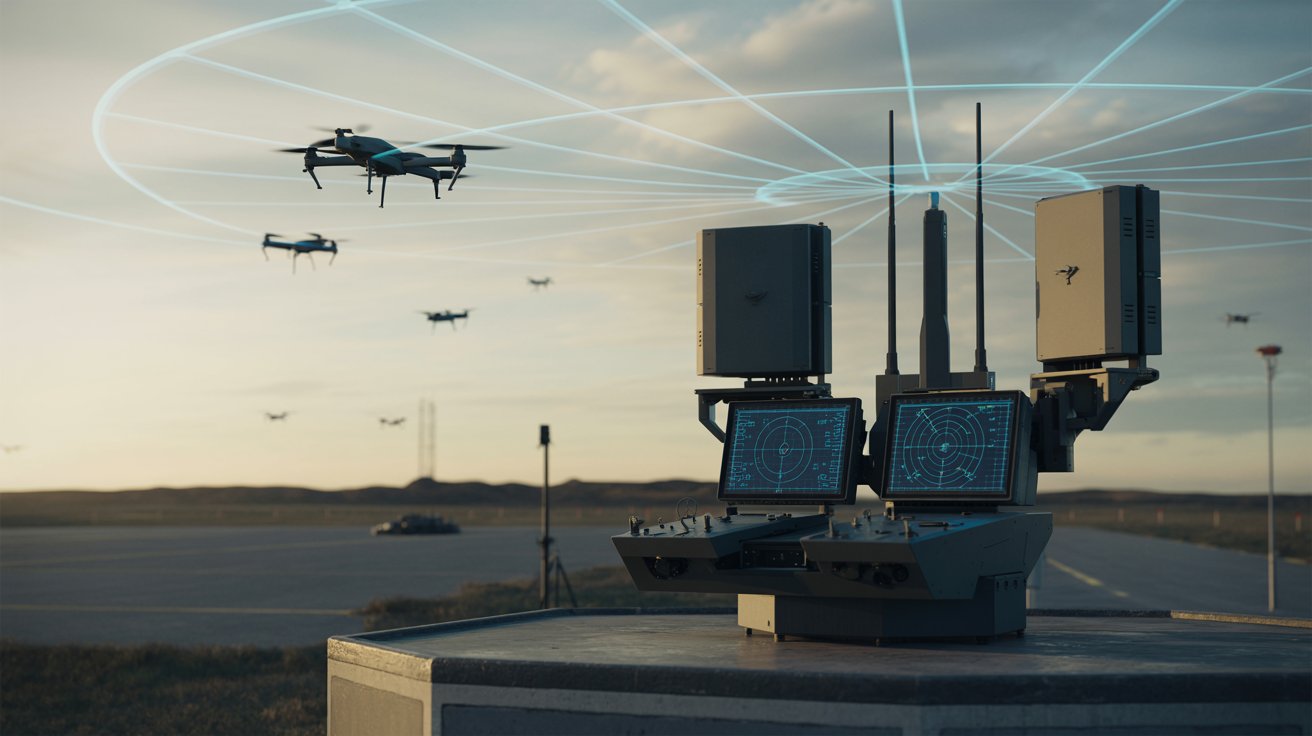
One of the key trends shaping the C-UAS landscape is the evolution of UAS mitigation and neutralization technologies, which are expected to record the highest CAGR during the forecast period. Innovations in AI-enabled jammers, directed-energy weapons, and kinetic effectors are revolutionizing how defense agencies and security operators respond to aerial incursions. These technologies form part of a layered counter-drone architecture, integrating radar, electro-optical sensors, and RF detection systems for comprehensive coverage.
The growing use of machine learning algorithms for target identification and autonomous response enables faster, more accurate drone interception, minimizing collateral impact and operational risks. With increasing investments in directed-energy systems and electronic warfare capabilities, defense forces are strengthening their ability to neutralize drone threats in complex, contested environments.
Expanding Civil Applications and Commercial Integration
Beyond defense, the commercial and civil sectors are emerging as pivotal drivers of market expansion. Airports, oil and gas facilities, event venues, and power utilities are adopting C-UAS systems to protect critical infrastructure and public spaces from unauthorized UAV incursions. The sector’s growth is also supported by favorable regulatory developments that allow authorized entities to deploy counter-drone solutions under defined legal frameworks.
This widespread civil adoption signifies a broader trend toward airspace risk management and urban security modernization, with scalable C-UAS systems being integrated into smart city surveillance networks and public safety platforms. As drones become more common in logistics, inspection, and media operations, ensuring secure skies is becoming an essential component of sustainable UAV ecosystem growth.
Europe: A Strategic Hub for Counter-Drone Innovation
Europe continues to play a central role in shaping the global C-UAS market, projected to hold the second-largest market share by 2030. The region’s strong defense infrastructure, NATO collaboration, and robust R&D ecosystem are driving significant progress in drone detection and mitigation capabilities.
Countries such as the UK, France, and Germany are investing heavily in the integration of radar, RF, and optical tracking technologies to build interoperable counter-drone networks. Prominent NATO-led programs, including GUARDION, AUDS, and SkyWall, are fostering multinational cooperation to develop layered C-UAS architectures capable of protecting borders, airports, and defense installations.
European defense contractors are leveraging AI, sensor fusion, and networked C2 (command-and-control) solutions to enhance responsiveness and interoperability. With heightened geopolitical tensions and increased NATO spending, the continent remains a key revenue hub and innovation center for global C-UAS technologies.
Competitive Landscape: Global Leaders and Strategic Growth
The C-UAS market is dominated by leading defense technology companies leveraging diversified portfolios and R&D excellence to enhance their market presence. Key players include RTX (US), Lockheed Martin Corporation (US), Northrop Grumman (US), Israel Aerospace Industries (IAI), Thales Group (France), Rheinmetall AG (Germany), RAFAEL Advanced Defense Systems Ltd. (Israel), BAE Systems (UK), Elbit Systems Ltd. (Israel), and Saab AB (Sweden).
These firms are investing in AI-driven defense systems, autonomous interceptors, and next-generation radar technologies to strengthen C-UAS performance across diverse terrains and threat profiles. Collaborative partnerships between defense agencies, research institutions, and industry players are further accelerating innovation cycles and enabling scalable deployment across multiple regions.
Future Outlook: Building Resilient Airspace Defense Ecosystems
Looking ahead, the global Counter-Unmanned Aircraft Systems market is set to become a pillar of integrated airspace security, blending AI-enabled situational awareness, sensor fusion, and autonomous response capabilities. The convergence of C-UAS and unmanned traffic management (UTM) systems will create smarter, interoperable networks capable of identifying and responding to potential threats in real time.
As UAV technology continues to advance, so will the sophistication of counter-drone systems — with a clear emphasis on autonomy, scalability, and precision engagement. With rising defense budgets, evolving regulations, and growing civilian adoption, the C-UAS market is poised to redefine how the world protects its skies in the era of unmanned autonomy.
