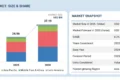
The global liquid biopesticides market is gaining strong momentum as agriculture worldwide moves toward safer, sustainable, and residue-free crop protection solutions. The market is projected to grow from USD 5.76 billion in 2025 to USD 11.50 billion by 2030, registering a robust CAGR of 14.8% during the forecast period.
This expansion reflects a fundamental transformation in modern farming practices. Increasing regulatory pressure on synthetic pesticides, rising consumer demand for clean-label food, and the growing adoption of Integrated Pest Management (IPM) programs are collectively reshaping crop protection strategies across both conventional and organic farming systems.
Regulatory Pressure and Residue-Free Demand Fuel Adoption
One of the strongest drivers accelerating the adoption of liquid biopesticides is the global emphasis on residue-free food production. Export-oriented crops such as fruits, vegetables, and cereals are under increasing scrutiny, with stricter maximum residue limits being enforced across key agricultural markets.
Regulatory authorities are progressively limiting or phasing out certain chemical pesticides, encouraging growers to shift toward biological alternatives that align with environmental protection and food safety objectives. Liquid biopesticides offer a viable solution by delivering effective pest control while meeting evolving compliance standards.
Expand your knowledge—secure your PDF copy!
Sustainability Initiatives Strengthen Market Fundamentals
The expansion of organic farming acreage and government-backed sustainability programs continues to create favorable conditions for biopesticide adoption. Policies supporting reduced chemical inputs, soil health preservation, and biodiversity protection are accelerating the transition toward biological crop protection inputs.
At the same time, advancements in microbial fermentation technologies and formulation science have significantly improved the performance of liquid biopesticides. Enhanced stability, longer shelf life, and consistent field efficacy are making these products more reliable for large-scale agricultural operations.
Why Liquid Formulations Are Gaining Preference
Liquid biopesticides are increasingly favored due to their practical advantages in modern farming systems. Their ease of handling and application allows seamless integration with existing spraying equipment, reducing operational complexity for growers.
Superior crop coverage and uniform distribution support more effective pest and disease control, while precise application minimizes wastage and labor requirements. These attributes make liquid formulations particularly attractive for commercial farming, greenhouse cultivation, and precision agriculture practices.
Make an Inquiry to Address your Specific Business Needs
Biofungicides Dominate the Product Landscape
Biofungicides represent a leading segment within the liquid biopesticides market. Fungal diseases such as powdery mildew, downy mildew, and Fusarium remain major threats to high-value crops, causing significant yield and quality losses when not effectively managed.
Liquid biofungicides offer targeted disease control while supporting resistance management strategies. Their compatibility with IPM programs and ability to complement chemical fungicides further strengthen their position in integrated crop protection systems.
Expanding Role in Integrated Pest Management Programs
The growing reliance on IPM frameworks is reinforcing demand for liquid biopesticides. Farmers are increasingly combining biological solutions with cultural practices and selective chemical applications to achieve long-term pest suppression while reducing environmental impact.
Liquid biopesticides fit naturally into these programs due to their safety profile, reduced risk of resistance development, and suitability for repeated applications throughout the crop cycle.
Market Outlook: Strong Growth Through 2030
As agriculture continues to balance productivity with sustainability, the liquid biopesticides industry is expected to witness sustained growth through 2030. Ongoing regulatory support, technological innovation, and rising awareness among growers will continue to drive adoption across diverse crop types and regions.
With residue-free food becoming a global priority and biological solutions gaining mainstream acceptance, liquid biopesticides are set to play a critical role in the future of sustainable crop protection.
Frequently Asked Questions
- What are liquid biopesticides?
Liquid biopesticides are biological crop protection products formulated in liquid form and derived from natural sources such as microorganisms, plant extracts, and beneficial compounds. They are used to control pests, diseases, and weeds while minimizing environmental impact.
- Why is demand for liquid biopesticides increasing globally?
Demand is rising due to stricter regulations on chemical pesticides, growing consumer preference for residue-free food, and the widespread adoption of sustainable farming practices such as Integrated Pest Management (IPM).
- How fast is the liquid biopesticides market growing?
The global liquid biopesticides market is projected to grow from USD 5.76 billion in 2025 to USD 11.50 billion by 2030, at a CAGR of 14.8% during the forecast period.
- What advantages do liquid biopesticides offer over solid formulations?
Liquid formulations offer ease of application, better crop coverage, compatibility with modern spraying equipment, and reduced labor requirements. These benefits support precise and efficient pest and disease management.
- Which product type dominates the liquid biopesticides market?
Biofungicides represent a leading segment due to the high incidence of fungal diseases in high-value crops and the need for effective, residue-free disease control solutions.