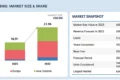
The United Kingdom medical aesthetics market is a rapidly evolving sector focused on improving cosmetic appearance through a blend of surgical and non-surgical treatments, including dermal fillers, botulinum toxin, laser therapies, and body contouring. The market is driven by technological advancements, an aging population seeking anti-aging solutions, and the strong influence of social media on beauty standards. While traditional surgical procedures remain prominent, there is a substantial shift toward minimally invasive treatments due to their affordability, reduced recovery times, and increasing societal acceptance across various demographics. Currently, the industry is navigating a transforming landscape characterized by a rise in natural response regenerative treatments and an increased focus on safety and regulatory standards within clinics and hospitals.
The UK Medical Aesthetics Market was valued at USD XX billion in 2026, and is projected to reach USD XX billion by 2030, rising at a CAGR of XX%
Global medical aesthetics market valued at USD 17.30B in 2024, reached USD 19.54B in 2025, and is projected to grow at a robust 13.0% CAGR, hitting USD 40.70B by 2031.
Download PDF Brochure: https://www.marketsandmarkets.com/pdfdownloadNew.asp?id=885
Driver
The UK medical aesthetics market is experiencing robust growth, primarily driven by the increasing social acceptance of cosmetic procedures and the pervasive influence of social media. Platforms like Instagram and TikTok have normalized aesthetic enhancements, making them aspirational rather than taboo. High consumer awareness regarding personal grooming and a growing desire for youthful appearances have led to a significant surge in demand for non-invasive treatments, such as Botox, dermal fillers, and chemical peels. Furthermore, technological advancements in laser treatments and energy-based devices have made procedures safer, faster, and more effective, attracting a broader demographic that now includes younger individuals and a rising number of men. The accessibility of these treatments, combined with the rising disposable income among the middle-class population, allows for greater spending on elective aesthetic enhancements. Additionally, the shift toward “preventative” aesthetics among Gen Z and Millennials ensures a steady pipeline of long-term patients for clinics across the country.
Restraint
A significant restraint hindering the UK medical aesthetics market is the historical lack of stringent regulation and oversight for non-surgical procedures. For years, the industry has operated in a “wild west” environment where almost anyone could perform injectable treatments without medical qualifications. This has led to a proliferation of unqualified practitioners, resulting in serious safety concerns and a rise in botched procedures that can damage the overall industry’s reputation and erode consumer trust. While new licensing schemes are being proposed, the current fragmented regulatory landscape remains a challenge. Economic factors also play a role; high costs associated with premium treatments and general economic uncertainty following periods of high inflation can deter cost-conscious consumers from committing to elective, non-essential services. Moreover, the potential for side effects, such as bruising, swelling, or more severe complications, along with the temporary nature of many non-invasive treatments, may lead to consumer hesitation or dissatisfaction if expectations are not managed effectively by practitioners.
Opportunity
The integration of digital health technologies and AI-driven consultations presents a major opportunity for market expansion in the UK. Clinics that adopt advanced skin analysis tools and personalized digital treatment plans can significantly enhance patient outcomes and foster long-term loyalty. There is also a notable growing trend toward regenerative medicine, including treatments like polynucleotides, exosomes, and platelet-rich plasma (PRP) therapies. These appeal to a sophisticated consumer base looking for “natural” results and bio-stimulation rather than just volume replacement. Expanding services to include holistic wellness, longevity medicine, and medical-grade skincare offers a way for clinics to diversify their offerings and create recurring revenue streams. Furthermore, there is a strategic opportunity in targeting under-penetrated regional markets outside of London and the South East. As the demand for aesthetics grows nationwide, establishing high-quality clinical hubs in northern cities and regional towns can tap into new local demand and reduce the reliance on the highly saturated London market.
Challenges
The UK medical aesthetics industry faces the immediate challenge of navigating rapidly evolving government regulations, such as the Department of Health and Social Care’s proposed licensing scheme for non-surgical cosmetic procedures in England. While these regulations are welcomed for patient safety, adapting to new standards requires significant investment in training, certification, and administrative compliance. Competition is also intensifying at an unprecedented rate, with a high density of clinics in urban areas leading to aggressive price wars that can severely impact profit margins and lead to a “race to the bottom” on quality. Practitioners must balance the need for competitive pricing with the rising operational costs of high-end equipment, specialized consumables, and medical malpractice insurance. Additionally, the recruitment and retention of skilled medical professionals remain difficult in a competitive landscape where staff costs are rising. Maintaining clinical excellence while managing these financial pressures is a constant struggle for independent practitioners and large chains alike.
Download PDF Brochure: https://www.marketsandmarkets.com/pdfdownloadNew.asp?id=885