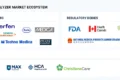
The global medical supplies market was valued at $138.4 billion in 2022 and is projected to reach $163.5 billion by 2027, growing at a compound annual growth rate (CAGR) of 3.4% during the forecast period. This growth is underpinned by an increasing demand for essential healthcare consumables and advanced medical devices across diverse clinical environments.
Download PDF Brochure:https://www.marketsandmarkets.com/pdfdownloadNew.asp?id=64344238
What are the key drivers influencing the growth of the Market?
The primary driver for the medical supplies market is the high prevalence of infectious and chronic diseases globally. The rising number of surgical procedures, combined with an increasing demand for infection control measures to curb hospital-acquired infections (HAIs), significantly boosts the consumption of medical consumables. Additionally, the expansion of healthcare infrastructure, specifically the increasing number of ICU beds in hospitals and surgical centers, further drives market demand.
Demographic shifts also play a crucial role, as the expanding geriatric population is more susceptible to chronic conditions requiring long-term care and frequent medical interventions. Furthermore, rising government-funded investments in healthcare projects and the increasing frequency of accidents and trauma cases necessitate a steady supply of medical devices and disposables.
What are the major restraints limiting the growth of the Market?
The market faces significant restraints related to patient safety and clinical risks. Medication errors and complications associated with certain medical supplies, such as wound care dressings and infusion supplies, can lead to fatal outcomes, creating a barrier to adoption. Furthermore, the high cost of advanced medical equipment and maintenance can be a burden for healthcare providers, particularly in resource-limited settings.
Stringent regulatory compliance and procurement standards also pose challenges, as manufacturers must navigate complex legal landscapes to ensure product safety and efficacy. Additionally, fluctuations in raw material pricing for disposable products can impact profit margins and overall market stability.
What emerging opportunities are expected to shape the future of the Market?
Emerging economies such as India, China, and Brazil offer lucrative growth potential due to their vast population bases, improving healthcare infrastructure, and rising healthcare expenditure. These markets are becoming hubs for medical tourism, driven by more affordable treatment and diagnostic options compared to North America and Europe, which in turn increases the demand for medical supplies in these regions.
Technological advancements also present significant opportunities. The integration of artificial intelligence (AI), the Internet of Medical Things (IoMT), and robotics into medical supplies is transforming patient care. There is also a growing trend toward sustainability, with increasing interest in eco-friendly, biodegradable, and recyclable medical products.
What are the critical challenges faced by stakeholders in the Market?
A critical challenge for stakeholders is the acute shortage of skilled medical professionals required for various clinical interventions that utilize medical supplies. This shortage can hinder the effective delivery of care and the optimal use of advanced medical technologies. Additionally, global supply chain disruptions caused by geopolitical tensions or natural disasters can lead to shortages and increased costs for essential components.
Stakeholders must also manage the rapid pace of technological change. Failure to continually invest in research and development can result in a loss of competitive edge as new, more innovative products enter the market. Ensuring cybersecurity in connected medical devices and managing data privacy laws are also becoming increasingly complex tasks for manufacturers.
Who are the leading players operating in the Market?
Prominent players dominating the global medical supplies market include Medtronic plc (Ireland), Cardinal Health (US), BD (US), Johnson & Johnson, Inc. (US), and B. Braun Melsungen AG (Germany). These companies maintain their market positions through strategic mergers, acquisitions, and heavy investment in R&D to launch advanced products like AI-powered surgical instruments.
Other significant contributors to the competitive landscape include Boston Scientific Corporation, 3M, and Abbott Laboratories. These organizations focus on expanding their product portfolios and strengthening their supply chain resilience to meet the evolving needs of global healthcare systems.
What are the key segments of the Medical Supplies Market based on type, application, and end user?
Based on type, the market is segmented into diagnostic supplies, dialysis consumables, wound care consumables, catheters, and personal protective equipment (PPE). The catheter segment is expected to grow at the fastest CAGR due to the rising incidence of cardiovascular diseases. Application segments include urology, wound care, radiology, respiratory, infection control, and cardiology, with “other applications” currently dominating due to high volumes of dental and general surgical procedures.
The market is also categorized by end user into hospitals, clinics/physician offices, and other facilities like ambulatory surgical centers and home care settings. Hospitals represent the largest end-user segment, driven by high patient volumes and the necessity for a wide range of surgical and diagnostic supplies.
Which regions are dominating and emerging in the Market?
North America currently holds the dominant share of the medical supplies market, followed by Europe. This dominance is attributed to an advanced healthcare infrastructure, a large geriatric population, and the presence of leading industry players. High healthcare expenditure and a strong emphasis on infection control further support market leadership in these regions.
The Asia Pacific region is identified as the fastest-growing market. This growth is fueled by rapid urbanization, increased government initiatives for healthcare improvement, and a large patient population in countries like China and India. The region’s expanding private hospital infrastructure and rising middle-class disposable income are also key factors in its emerging prominence.
Inquire Before Buying-https://www.marketsandmarkets.com/Enquiry_Before_BuyingNew.asp?id=64344238