The smart home market trends is undergoing a rapid transformation as technology advances and consumer preferences evolve. By 2026, the industry is expected to witness unprecedented growth, driven by the convergence of connectivity, artificial intelligence (AI), and the Internet of Things (IoT). These trends are reshaping the way we interact with our living spaces, offering increased convenience, efficiency, and personalization. The global smart home market is projected to reach USD 95.83 billion in 2026 and USD 139.24 billion by 2032, exhibiting a CAGR of 6.4%
1. Connectivity as the Foundation
Seamless connectivity remains the backbone of smart homes. Consumers now expect devices — from thermostats and lighting to security systems and kitchen appliances — to communicate effortlessly. Standards like Wi-Fi 6, Zigbee, Z-Wave, and Matter are enabling better interoperability, reducing complexity, and allowing multiple devices to work together in harmony. This connectivity revolution ensures that smart homes are not just collections of gadgets but integrated ecosystems that respond intelligently to user needs.
2. AI-Powered Personalization
Artificial intelligence is increasingly at the heart of smart home innovation. AI algorithms analyze user behavior, preferences, and routines to provide personalized experiences. From voice assistants that anticipate commands to smart HVAC systems that optimize energy usage based on occupancy patterns, AI enhances comfort, convenience, and efficiency. By 2026, AI-driven predictive capabilities are expected to become standard, enabling homes that learn and adapt over time.
3. IoT Expansion Across Devices
The IoT revolution continues to expand the smart home footprint. Consumers are adopting smart lighting, energy management systems, security cameras, smart locks, and connected appliances at an accelerating pace. This proliferation of connected devices not only enhances convenience but also generates data that can be used to optimize home performance and sustainability. As IoT sensors become more affordable and energy-efficient, nearly every aspect of a home will become smarter and more responsive.
Download PDF Brochure @ https://www.marketsandmarkets.com/pdfdownloadNew.asp?id=121
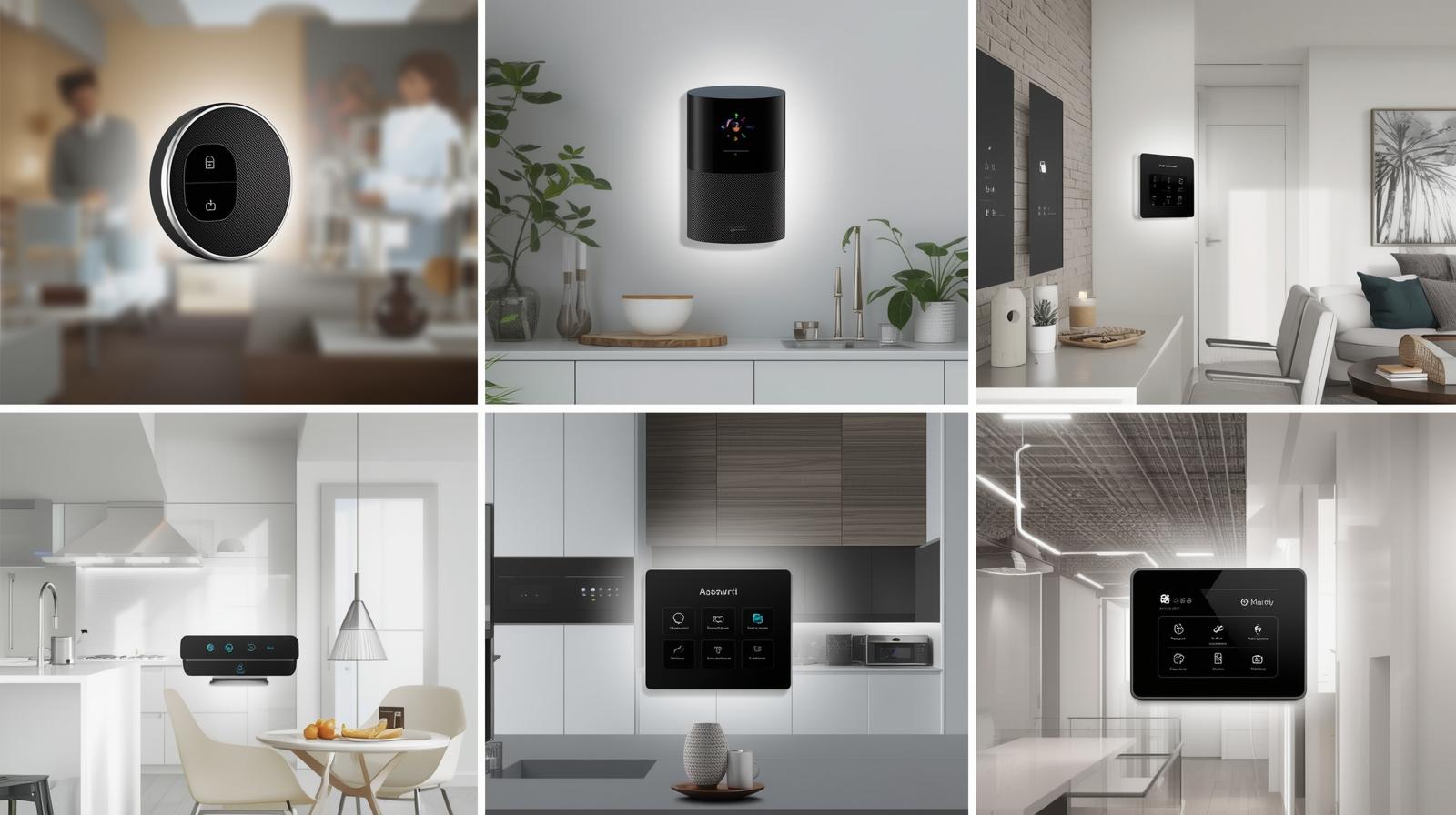
4. Energy Efficiency and Sustainability
With rising energy costs and environmental awareness, smart homes are increasingly designed to reduce carbon footprints. Connected energy management systems, smart thermostats, and automated lighting solutions allow homeowners to monitor and optimize energy usage in real-time. AI-enabled predictive energy management is expected to play a significant role in minimizing waste, making smart homes a key player in sustainable living initiatives.
5. Security and Privacy Considerations
As smart homes become more connected, concerns around security and data privacy are growing. Market players are responding by embedding robust encryption, secure cloud platforms, and device-level security protocols. Consumers are demanding transparency on how their data is used, driving manufacturers to offer enhanced privacy controls alongside smart functionality.
6. Regional Insights and Market Growth
North America and Europe continue to lead in smart home adoption due to high disposable incomes and technology awareness. However, Asia Pacific is emerging as a fast-growing market, fueled by rapid urbanization, smart city initiatives, and increased consumer interest in IoT-enabled devices. By 2026, the global smart home market is projected to grow significantly, with billions of dollars invested in hardware, software, and cloud services.
7. Future Outlook
The next wave of smart home innovation will focus on hyperconnectivity, AI-driven automation, and full ecosystem integration. Voice, gesture, and mobile interfaces will become more intuitive, while predictive AI will anticipate needs before commands are given. Additionally, energy sustainability, home healthcare monitoring, and advanced security systems are expected to gain prominence, making smart homes not just convenient, but essential to modern living.
The smart home market in 2026 will be defined by seamless connectivity, AI intelligence, and IoT-driven integration. As technology becomes more sophisticated and consumer expectations rise, the homes of the future will be smarter, safer, and more efficient, delivering a truly personalized living experience.
Smart Home Market FAQ – 2026 Trends
Q1: What is driving the growth of the smart home market in 2026?
A1: The market growth is primarily driven by connectivity, AI, and IoT technologies. Consumers are increasingly adopting smart devices for convenience, energy efficiency, and security, creating integrated smart home ecosystems.
Q2: Which technologies are most important for smart home connectivity?
A2: Key technologies include Wi-Fi 6, Zigbee, Z-Wave, and Matter, which enable interoperability between devices and ensure seamless communication across smart home systems.
Q3: How is AI influencing smart homes?
A3: AI powers personalization and predictive automation, learning user behaviors to optimize energy usage, automate routines, and enhance comfort through intelligent decision-making in devices like thermostats, lighting, and voice assistants.
Q4: What are the key IoT applications in smart homes?
A4: IoT devices are used in smart lighting, energy management, security systems, smart locks, connected appliances, and sensors that monitor environmental conditions, contributing to efficiency and convenience.
Q5: How are smart homes contributing to energy efficiency?
A5: Smart homes utilize connected energy management systems, automated lighting, and AI-driven predictive energy optimization to reduce energy consumption, lower costs, and support sustainability goals.
