The biosensors market is witnessing rapid transformation as healthcare, agriculture, environmental monitoring, and industrial sectors increasingly adopt real-time sensing technologies. Biosensors—devices that combine a biological component with a physical detector—enable fast, accurate, and cost-effective analysis of biological and chemical substances. Their growing role in diagnostics, wearable health monitoring, and precision medicine is driving strong market expansion.
According to recent estimates, the biosensors market is projected to grow significantly in the coming years, supported by rising demand for point-of-care testing, chronic disease monitoring, and advanced wearable technologies.
Below are the top 10 key insights shaping the biosensors market today.
1. Strong Market Growth Driven by Healthcare Demand
One of the biggest insights is the rapid growth of biosensors in healthcare applications. Increasing prevalence of chronic diseases such as diabetes, cardiovascular disorders, and respiratory conditions is fueling demand for continuous monitoring solutions.
Biosensors are becoming essential for early diagnosis, real-time health tracking, and personalized treatment approaches.
2. Dominance of Point-of-Care (PoC) Diagnostics
Point-of-care testing is emerging as a leading application segment in the biosensors market. These devices allow patients and healthcare providers to obtain immediate diagnostic results without the need for centralized laboratories.
This trend is improving treatment speed, reducing healthcare costs, and enabling decentralized healthcare delivery.
Download PDF Brochure @ https://www.marketsandmarkets.com/pdfdownloadNew.asp?id=798
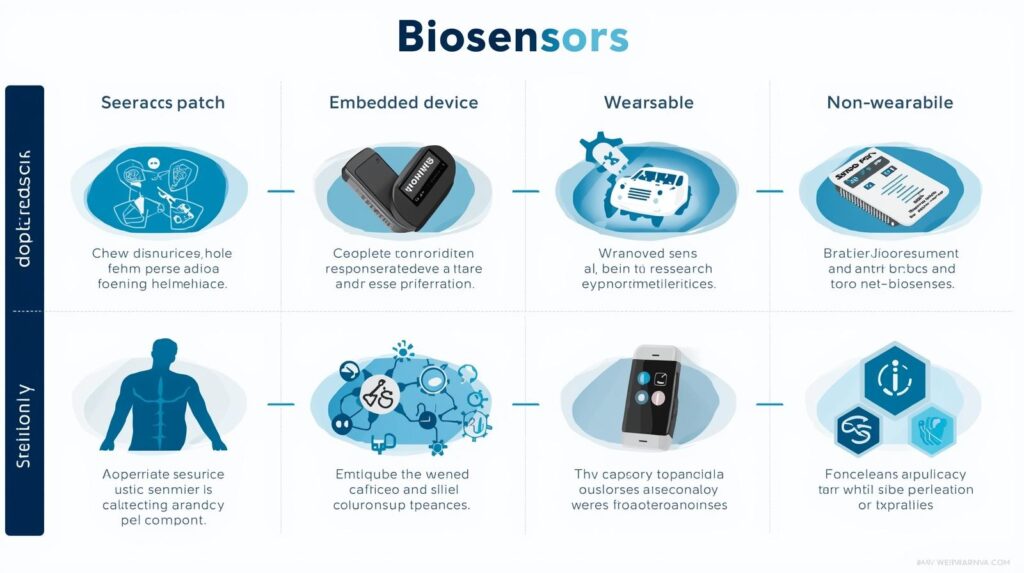
3. Electrochemical Biosensors Lead the Market
Electrochemical biosensors dominate the technology landscape due to their:
- High sensitivity
- Low cost
- Ease of miniaturization
- Compatibility with portable devices
They are widely used in glucose monitoring, cholesterol testing, and infectious disease detection.
4. Rapid Expansion of Wearable Biosensors
Wearable biosensors are gaining strong traction in consumer health and fitness markets. Devices such as smartwatches, fitness bands, and smart rings now track:
- Heart rate
- Blood oxygen levels
- Sleep patterns
- Glucose levels
This shift is enabling continuous health monitoring outside clinical environments.
5. Integration of AI and Machine Learning
Artificial intelligence is significantly enhancing biosensor capabilities. AI-powered biosensors can:
- Analyze large datasets in real time
- Detect anomalies in health patterns
- Provide predictive insights
This integration is transforming biosensors from simple detection tools into intelligent diagnostic systems.
6. Growth in Agriculture and Food Safety Applications
Beyond healthcare, biosensors are increasingly used in agriculture and food safety. They help detect:
Soil nutrient levels
Pesticide residues
Pathogens in food products
This supports precision farming and ensures higher food safety standards.
7. Expansion of Optical and Nanotechnology-Based Biosensors
Advanced technologies such as optical biosensors and nanomaterial-based sensors are gaining importance. These technologies offer:
Higher sensitivity
Faster response times
Improved detection of biomolecular interactions
They are widely used in research labs and advanced diagnostics.
8. Rising Adoption in Point-of-Care and Home Testing
Home-based diagnostics are becoming a major trend. Users can now monitor chronic conditions from home using compact biosensor devices.
This shift is driven by:
Convenience
Lower healthcare costs
Increased focus on preventive care
The COVID-19 pandemic further accelerated this adoption.
9. Increasing Role in Personalized and Preventive Healthcare
Biosensors are central to the shift toward personalized medicine. Continuous data collection enables:
Customized treatment plans
Early disease detection
Lifestyle-based health recommendations
This is transforming healthcare from reactive to proactive care models.
10. Regional Growth Driven by North America and Asia Pacific
North America leads the biosensors market due to strong healthcare infrastructure and technological adoption. Meanwhile, Asia Pacific is emerging as the fastest-growing region, driven by:
Expanding healthcare access
Rising chronic disease burden
Increasing investments in medical technology
These regions are shaping the global growth trajectory of the market.
Top 10 Key Takeaways
- Healthcare demand is the primary driver of biosensor growth.
- Point-of-care diagnostics is the leading application segment.
- Electrochemical biosensors dominate the technology landscape.
- Wearable biosensors are expanding rapidly.
- AI integration is enhancing diagnostic intelligence.
- Agriculture and food safety are emerging applications.
- Optical and nano-based biosensors are gaining traction.
- Home-based testing is becoming mainstream.
- Biosensors support personalized healthcare models.
- North America leads, while Asia Pacific grows fastest.
Market Outlook
The biosensors market is expected to maintain strong growth momentum due to continuous innovation in wearable technologies, nanotechnology, and AI integration. Increasing demand for real-time health monitoring and decentralized diagnostics will further strengthen market adoption across industries.
Key future trends include:
- Ultra-miniaturized biosensors
- Fully connected IoT healthcare ecosystems
- Non-invasive diagnostic devices
AI-driven predictive health systems
Frequently Asked Questions (FAQs)
1. What are biosensors used for?
Biosensors are used to detect biological or chemical substances for applications in healthcare, agriculture, food safety, and environmental monitoring.
2. Why is the biosensors market growing?
The market is growing due to rising chronic diseases, demand for real-time diagnostics, wearable health devices, and technological advancements.
3. What are the main types of biosensors?
Common types include electrochemical, optical, piezoelectric, and thermal biosensors.
4. Which industry uses biosensors the most?
Healthcare is the largest user of biosensors, especially in diagnostics and continuous monitoring.
5. What is the future of biosensor technology?
The future includes AI-enabled biosensors, wearable devices, and fully connected digital health ecosystems.
About MarketsandMarkets™
MarketsandMarkets™ has been recognized as one of America’s Best Management Consulting Firms by Forbes, as per their recent report.
MarketsandMarkets™ is a blue ocean alternative in growth consulting and program management, leveraging a man-machine offering to drive supernormal growth for progressive organizations in the B2B space. With the widest lens on emerging technologies, we are proficient in co-creating supernormal growth for clients across the globe.
Today, 80% of Fortune 2000 companies rely on MarketsandMarkets, and 90 of the top 100 companies in each sector trust us to accelerate their revenue growth. With a global clientele of over 13,000 organizations, we help businesses thrive in a disruptive ecosystem.
The B2B economy is witnessing the emergence of $25 trillion in new revenue streams that are replacing existing ones within this decade. We work with clients on growth programs, helping them monetize this $25 trillion opportunity through our service lines – TAM Expansion, Go-to-Market (GTM) Strategy to Execution, Market Share Gain, Account Enablement, and Thought Leadership Marketing.
Built on the ‘GIVE Growth’ principle, we collaborate with several Forbes Global 2000 B2B companies to keep them future-ready. Our insights and strategies are powered by industry experts, cutting-edge AI, and our Market Intelligence Cloud, KnowledgeStore™, which integrates research and provides ecosystem-wide visibility into revenue shifts.
To find out more, visit www.MarketsandMarkets™.com or follow us on Twitter , LinkedIn and Facebook .
Contact:
Mr. Rohan Salgarkar
MarketsandMarkets™ INC.
1615 South Congress Ave.
Suite 103, Delray Beach, FL 33445
USA: +1-888-600-6441
