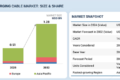
The Japan GLP-1 analogues market is a rapidly expanding segment of the pharmaceutical industry, driven by an aging population and a significant rise in the prevalence of type 2 diabetes and obesity-related health complications. The landscape is currently dominated by major global players like Novo Nordisk and Eli Lilly, with semaglutide products such as Ozempic and Rybelsus holding a substantial market share, while newer dual-agonist molecules like tirzepatide are emerging as highly lucrative, fast-growing segments. This market is undergoing a structural transformation as it shifts from traditional injectable treatments toward more convenient oral formulations and innovative at-home delivery systems like smart auto-injectors, which enhance patient compliance and broaden access. Furthermore, the market’s trajectory is increasingly influenced by the expansion of clinical indications beyond glycemic control to include weight management and cardiovascular risk reduction, positioning Japan as a projected leader in the Asia-Pacific region. Despite high therapy costs and complex reimbursement dynamics, the sector is poised for sustained growth as healthcare providers and patients increasingly prioritize high-efficacy, multi-indication metabolic disease modifiers.
Key Drivers, Restraints, Opportunities, and Challenges in the Japan GLP-1 Analogues Market
The Japan GLP-1 analogues market is primarily driven by an aging population, a high prevalence of type 2 diabetes, and the increasing adoption of these therapies for weight management following the approval of drugs like Wegovy. Significant growth opportunities exist in the expansion of therapeutic indications to include cardiovascular and kidney conditions, the emergence of more convenient oral formulations, and the potential for increased government focus on metabolic disease management. However, the market faces restraints from stringent insurance coverage criteria and high individual medical expenses for uninsured patients. Key challenges include the strictly managed regulatory environment designed to prevent drug misuse, persistent supply chain constraints for high-demand medications, and the threat of counterfeit or compounded products in the gray market.
Customer Segmentation, Needs, Preferences, and Buying Behavior in the Japan GLP-1 Analogues Market
The target customers for the Japan GLP-1 analogues market primarily include an aging population of approximately 11 million adults suffering from type 2 diabetes, as well as a growing segment of individuals seeking treatment for obesity and weight management. These customers, particularly the rising geriatric demographic, prioritize effective long-term management of chronic metabolic conditions and demonstrate a strong preference for innovative, less invasive treatment options like once-weekly injectables and emerging oral formulations that improve convenience and adherence. Purchasing behavior is characterized by a high reliance on healthcare provider prescriptions within an advanced healthcare infrastructure that focuses on early diagnosis, though a surge in off-label demand for weight loss has led to significant supply shortages. Furthermore, patients are increasingly influenced by updated clinical guidelines and the demonstrated cardiovascular and renal benefits of these therapies, shifting the market toward a broader, integrated approach to metabolic health.
Regulatory, Technological, and Economic Factors Impacting the Japan GLP-1 Analogues Market
The Japan GLP-1 analogues market is shaped by a complex interplay of regulatory, technological, and economic factors that influence entry and profitability. Regulated by a framework that enables the introduction of novel therapies, the market benefits from a strong focus on chronic disease management, though entry is complicated by a pricing environment that may not always attract external innovation. Technologically, the market is being transformed by the shift toward oral and long-acting formulations, which align with the Japanese preference for less invasive treatment options and help improve patient adherence. Economically, while a rising elderly population and a high prevalence of type 2 diabetes—affecting approximately 6.6% of adults—sustain strong demand, profitability is challenged by a lack of local innovation from Japanese startups and pharmaceutical firms. Despite these hurdles, the market is projected to grow from USD 2.1 billion in 2024 to over USD 8.7 billion by 2033, driven by increasing obesity rates among adults aged 35 to 60 and the country’s advanced healthcare infrastructure.
Current and Emerging Trends in the Japan GLP-1 Analogues Market
The Japan GLP-1 analogues market is undergoing a rapid transformation driven by the rising prevalence of type 2 diabetes and obesity among an aging population, with a significant shift toward more convenient administration methods. Key emerging trends include the increasing adoption of oral formulations like Rybelsus and the development of next-generation multi-agonist compounds, such as the dual GIP/GLP-1 receptor agonist tirzepatide, which is currently the fastest-growing product segment. The market is also seeing a surge in demand for at-home delivery solutions, evidenced by the growing use of auto-injectors and the expansion of online pharmacies and telemedicine. These trends are evolving at an accelerated pace, with the overall Japan GLP-1 receptor agonist market projected to grow at a CAGR of 13.7% from 2026 to 2033, while the specific weight loss drug segment is expected to expand even faster at a CAGR of 18.1% through 2030.
Technological Innovations and Disruption Potential in the Japan GLP-1 Analogues Market
Technological innovations such as oral delivery systems and multi-agonist therapies are gaining significant traction and are poised to disrupt the Japan GLP-1 analogues market by providing more convenient and effective treatment options. The introduction of oral GLP-1 formulations, like Rybelsus, addresses the needs of Japan’s aging population and injection-averse patients, significantly increasing market penetration and treatment adherence. Furthermore, the development of dual and triple agonists—such as tirzepatide and investigational agents like survodutide—is setting new efficacy benchmarks for weight loss and metabolic health, expanding the market’s reach into chronic weight management and liver disease. The integration of advanced drug delivery tools, including smart auto-injectors and wearable formats, is also streamlining at-home care, enabling real-time monitoring and precise dosing for a broader demographic of users.
Short-Term vs. Long-Term Trends in the Japan GLP-1 Analogues Market
In the Japan GLP-1 analogues market, short-term fluctuations driven by immediate supply constraints and shipment restrictions are transitioning into long-term structural shifts defined by demographic necessity and technological evolution. The market is undergoing a permanent transformation as it moves from injectable to more convenient oral formulations, such as the rising adoption of Rybelsus and the anticipated entry of new oral options, which enhance patient adherence. This structural growth is fundamentally supported by Japan’s rapidly aging population and the increasing prevalence of type 2 diabetes and obesity, which sustain a consistent demand for advanced metabolic treatments. Furthermore, the integration of digital health tools and the shift toward specialized, self-injection therapies like auto-injectors represent enduring changes in the healthcare delivery model aimed at managing chronic conditions outside of traditional clinical settings.