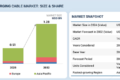
The Japan infusion pump market is a well-established yet evolving sector characterized by a mature infrastructure and a growing shift toward specialized and technologically advanced delivery systems. While the general-purpose pump segment faces a slow growth outlook due to a decline in the number of hospitals and hospital beds, the overall market remains resilient, driven largely by replacement sales and an aging population with a rising prevalence of chronic conditions like diabetes and cancer. The landscape is increasingly defined by the rapid adoption of insulin infusion pumps and ambulatory systems, supported by favorable reimbursement changes and a demand for home-based care. Technological integration is a major trend, with a significant move toward smart, connected devices that feature dose error reduction software and wireless connectivity to improve patient safety and clinical efficiency. Domestic players like Terumo Corporation, Nipro, and JMS Co. Ltd. maintain a strong presence alongside global leaders such as Medtronic and Insulet, as the industry prioritizes precision, portability, and the management of long-term therapeutic needs in an increasingly elderly demographic.
Key Drivers, Restraints, Opportunities, and Challenges in the Japan Infusion Pump Market
The Japan infusion pump market is primarily driven by a rapidly aging population and a high prevalence of chronic diseases such as diabetes and cancer, which necessitate precise and long-term drug delivery solutions. Technological advancements, particularly the integration of smart features like wireless connectivity and AI-driven error detection, further propel growth by enhancing patient safety and laboratory efficiency. However, the market faces significant restraints, including the high cost of advanced infusion devices, stringent regulatory compliance requirements, and potential safety concerns related to surgical implantations and device malfunctions. Despite these hurdles, substantial opportunities exist in the expansion of home-based care and ambulatory services, as well as the development of specialized pumps for emerging therapeutic areas like insulin management and pain relief. Key challenges include persistent cybersecurity risks in connected systems, a decline in the number of hospital beds affecting replacement sales, and the operational complexity of achieving seamless interoperability between smart pumps and existing hospital IT infrastructures.
Customer Segmentation, Needs, Preferences, and Buying Behavior in the Japan Infusion Pump Market
The target customers for the Japan infusion pump market primarily include hospitals, which hold the largest market share due to high patient volumes in critical care and oncology units, followed by homecare settings, clinics, and ambulatory surgical centers. These customers prioritize precision, safety, and reliability in delivering controlled doses for chronic conditions such as diabetes, cancer, and chronic pain. Preferences are increasingly shifting toward specialty and ambulatory pumps that offer portability and lightweight designs, as well as smart infusion systems and sensor-integrated devices that enhance workflow efficiency and patient monitoring. Purchasing behavior is characterized by a growing adoption of home-based treatment models driven by an aging population and government regulations that have expanded insurance coverage for essential devices like insulin pumps, ensuring better accessibility for patients and supporting long-term disease management outside of traditional clinical settings.
Regulatory, Technological, and Economic Factors Impacting the Japan Infusion Pump Market
The Japan infusion pump market is significantly influenced by a complex interplay of regulatory, technological, and economic factors that shape entry and profitability. Regulated by the Ministry of Health, Labour and Welfare (MHLW) and the PMDA, stringent Good Manufacturing Practice (GMP) evaluations and new safety checklists for systems ensure high standards but also impose compliance hurdles for new entrants. Technologically, the market is being revolutionized by the integration of smart features, such as wireless connectivity, IoT-enabled real-time monitoring, and dose-error reduction systems (DERS), which enhance patient safety and drive demand for connected healthcare. Economically, while the “super-aged society” and the government’s shift toward the “Comprehensive Community Care System” create robust demand for home-based and ambulatory pumps, profitability is challenged by high initial development costs and restrictive reimbursement policies, with some estimates suggesting only 40% of patients currently receive adequate coverage for advanced devices.
Current and Emerging Trends in the Japan Infusion Pump Market
The Japan infusion pump market is undergoing a steady transformation driven by the integration of advanced technologies and a shift toward home-based care to support an aging population with a high prevalence of chronic diseases. Current trends include the rising adoption of insulin infusion pumps and ambulatory systems, which are evolving at a moderate pace with CAGRs ranging from 4% to over 20% for specialized segments like ambulatory pumps. Emerging trends are characterized by the rapid development of smart pumps featuring wireless connectivity, AI-driven delivery systems, and integration with continuous glucose monitoring (CGM) and electronic health records to improve dosing accuracy and patient safety. Furthermore, the market is quickly moving toward personalized medicine and wearable diabetes technology, supported by regulatory shifts such as the 2023 mandate for insurance coverage of insulin pumps, which is significantly accelerating the adoption of these innovative drug delivery solutions.
Technological Innovations and Disruption Potential in the Japan Infusion Pump Market
Technological innovations such as wireless connectivity, IoT integration, and artificial intelligence are gaining significant traction and are poised to disrupt the Japan infusion pump market by enabling real-time monitoring and automated error detection. The industry is seeing a major shift toward smart infusion systems equipped with Dose Error Reduction Software (DERS) and seamless integration with Electronic Health Records (EHR) to enhance patient safety and clinical workflow efficiency. Furthermore, the development of advanced hybrid closed-loop systems and sensor-augmented pumps is transforming diabetes management, while the rise of compact, wearable, and ambulatory devices is accelerating the decentralization of care toward home-based settings.
Short-Term vs. Long-Term Trends in the Japan Infusion Pump Market
In the Japan infusion pump market, the slow growth of the general-purpose pump segment is increasingly viewed as a long-term structural shift driven by a declining number of hospitals and hospital beds, making the market heavily dependent on replacement sales. Conversely, the transition toward specialty and smart infusion systems represents a permanent transformation fueled by Japan’s rapidly aging population and the rising prevalence of chronic diseases like diabetes and cancer. Long-term structural trends include the integration of artificial intelligence and wireless connectivity to enhance medication safety, the growing adoption of insulin pumps supported by favorable reimbursement changes, and a shift toward ambulatory and home-care settings. While specific product surges may fluctuate, the move toward interoperable, data-driven infusion management and the expansion of personalized diabetes care through wearable devices are enduring shifts shaped by the need for clinical efficiency and improved patient outcomes in a super-aged society.