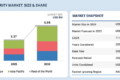
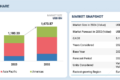
The global food packaging industry is evolving rapidly as changing consumer preferences, sustainability initiatives, technological advancements, and regulatory requirements reshape market dynamics. As brands seek to improve product safety, shelf life, and customer engagement, Growth Strategy in Food Packaging has become a critical focus for companies aiming to strengthen their competitive position and unlock new revenue opportunities. According to a research reportpublished by MarketsandMarkets, the food packaging market is estimated to be USD 421.38 billion in 2025 and is projected to reach USD 548.51 billion by 2030, at a CAGR of 5.4%.
From sustainable packaging materials and smart packaging technologies to digital transformation and strategic partnerships, industry leaders are implementing innovative approaches to meet market demands while driving long-term business growth.
Sustainability Remains a Key Growth Driver
Sustainability has emerged as one of the most influential factors shaping the future of food packaging. Consumers are increasingly favoring brands that demonstrate environmental responsibility, prompting manufacturers to invest in eco-friendly packaging solutions.
Companies are focusing on:
- Recyclable packaging materials
- Compostable and biodegradable alternatives
- Lightweight packaging designs
- Reduced plastic usage
- Circular economy initiatives
These sustainable solutions help organizations reduce their environmental footprint while meeting evolving regulatory requirements and strengthening brand loyalty among environmentally conscious consumers.
Make an Inquiry to Address your Specific Business Needs
Smart Packaging Technologies Enhance Value
Technology is transforming traditional packaging into intelligent solutions that improve food safety, traceability, and consumer engagement.
Innovations gaining traction include:
- QR code-enabled packaging
- RFID tracking systems
- Freshness indicators
- Temperature-monitoring sensors
- Interactive consumer experiences
Smart packaging allows brands to provide real-time product information, improve supply chain visibility, and reduce food waste. These technologies are becoming increasingly important as consumers demand greater transparency regarding food quality and origin.
Consumer Convenience Drives Packaging Innovation
Modern lifestyles continue to influence purchasing decisions, creating strong demand for convenient packaging formats.
Manufacturers are responding with:
- Resealable pouches
- Single-serve packaging
- Easy-open containers
- Microwave-safe packaging
- Portable on-the-go solutions
Convenience-oriented packaging not only improves the consumer experience but also enables brands to differentiate themselves in highly competitive food categories.
Strategic Partnerships and Acquisitions Accelerate Growth
Many packaging companies are pursuing mergers, acquisitions, and strategic collaborations to expand their market reach and strengthen their capabilities.
Partnerships with food manufacturers, retailers, technology providers, and material suppliers help organizations:
- Access new technologies
- Expand geographic presence
- Strengthen supply chains
- Improve production efficiency
- Diversify product portfolios
These strategic initiatives enable companies to respond more effectively to changing market conditions while accelerating innovation and growth.
Material Innovation Creates New Opportunities
The development of advanced packaging materials continues to play a vital role in industry expansion.
Key areas of innovation include:
- Plant-based plastics
- Paper-based packaging solutions
- Fiber-based materials
- Bio-based polymers
- Renewable packaging alternatives
These materials help companies reduce environmental impact while maintaining the performance characteristics necessary for food protection and preservation.
As governments implement stricter regulations on single-use plastics, material innovation is expected to remain a major investment priority across the industry.
Digital Transformation Improves Operational Efficiency
Digital technologies are helping food packaging companies optimize manufacturing processes, improve quality control, and enhance customer service.
Important digital initiatives include:
- Artificial intelligence (AI)
- Automation technologies
- Predictive analytics
- Smart manufacturing systems
- Digital printing solutions
AI-powered systems can improve production efficiency by identifying process improvements, reducing waste, and enabling predictive maintenance. Meanwhile, digital printing allows brands to customize packaging designs and respond more quickly to market trends.
Expansion into Emerging Markets Fuels Industry Growth
Emerging economies represent significant opportunities for food packaging manufacturers.
Growth in these regions is supported by:
- Rising disposable incomes
- Urbanization
- Expanding middle-class populations
- Increased consumption of packaged foods
- Growth of modern retail channels
To capitalize on these opportunities, companies are investing in local production facilities, strengthening distribution networks, and developing packaging solutions tailored to regional consumer preferences.
Regulatory Compliance Becomes a Competitive Advantage
Food safety regulations continue to evolve globally, placing greater emphasis on traceability, sustainability, and product protection.
Leading packaging companies are proactively investing in:
- Food safety certifications
- Sustainable manufacturing practices
- Advanced quality assurance systems
- Regulatory compliance programs
Organizations that consistently meet international standards can enhance customer trust, secure long-term partnerships, and gain a competitive advantage in global markets.
The future of the food packaging industry will be shaped by sustainability, technological innovation, digital transformation, and changing consumer expectations. Companies that successfully balance environmental responsibility with performance, convenience, and cost-effectiveness will be best positioned for long-term success.
As global demand for packaged food continues to rise, investments in smart packaging, sustainable materials, advanced manufacturing technologies, and strategic market expansion will remain essential growth strategies. Businesses that embrace these trends today will play a leading role in defining the next generation of food packaging solutions and creating lasting value across the industry.