The global handheld thermal camera market is projected to grow from USD 1.83 billion in 2026 to USD 2.83 billion in 2032, registering a CAGR of 7.6%. The handheld thermal camera market is growing due to increasing demand for predictive maintenance, non-contact temperature monitoring, and workplace safety across industries such as manufacturing, automotive, construction, energy, and public safety. Companies are increasingly using handheld thermal cameras to identify overheating equipment, electrical faults, insulation defects, and mechanical failures before breakdowns occur, helping reduce operational downtime and maintenance costs. Rising adoption in building inspection, firefighting, surveillance, healthcare screening, and automotive diagnostics is further accelerating market growth. In addition, advancements in infrared sensor technology, AI-enabled thermal imaging, wireless connectivity, compact device designs, and declining product costs are making handheld thermal cameras more efficient, portable, and accessible for both industrial and commercial users.
The handheld thermal camera market is witnessing increased focus on high-resolution thermal imaging, AI-enabled analytics, compact and lightweight device designs, wireless connectivity, and smartphone-integrated thermal solutions to improve inspection accuracy and operational efficiency. Manufacturers are increasingly developing portable and cost-effective thermal cameras with advanced features such as real-time temperature monitoring, cloud connectivity, predictive maintenance software, and enhanced battery performance to support applications across industrial maintenance, building inspection, automotive diagnostics, public safety, and healthcare sectors.
Download PDF Brochure @ https://www.marketsandmarkets.com/pdfdownloadNew.asp?id=244645068
“The electrical inspection segment is expected to dominate the market, by application, during the forecast year.”
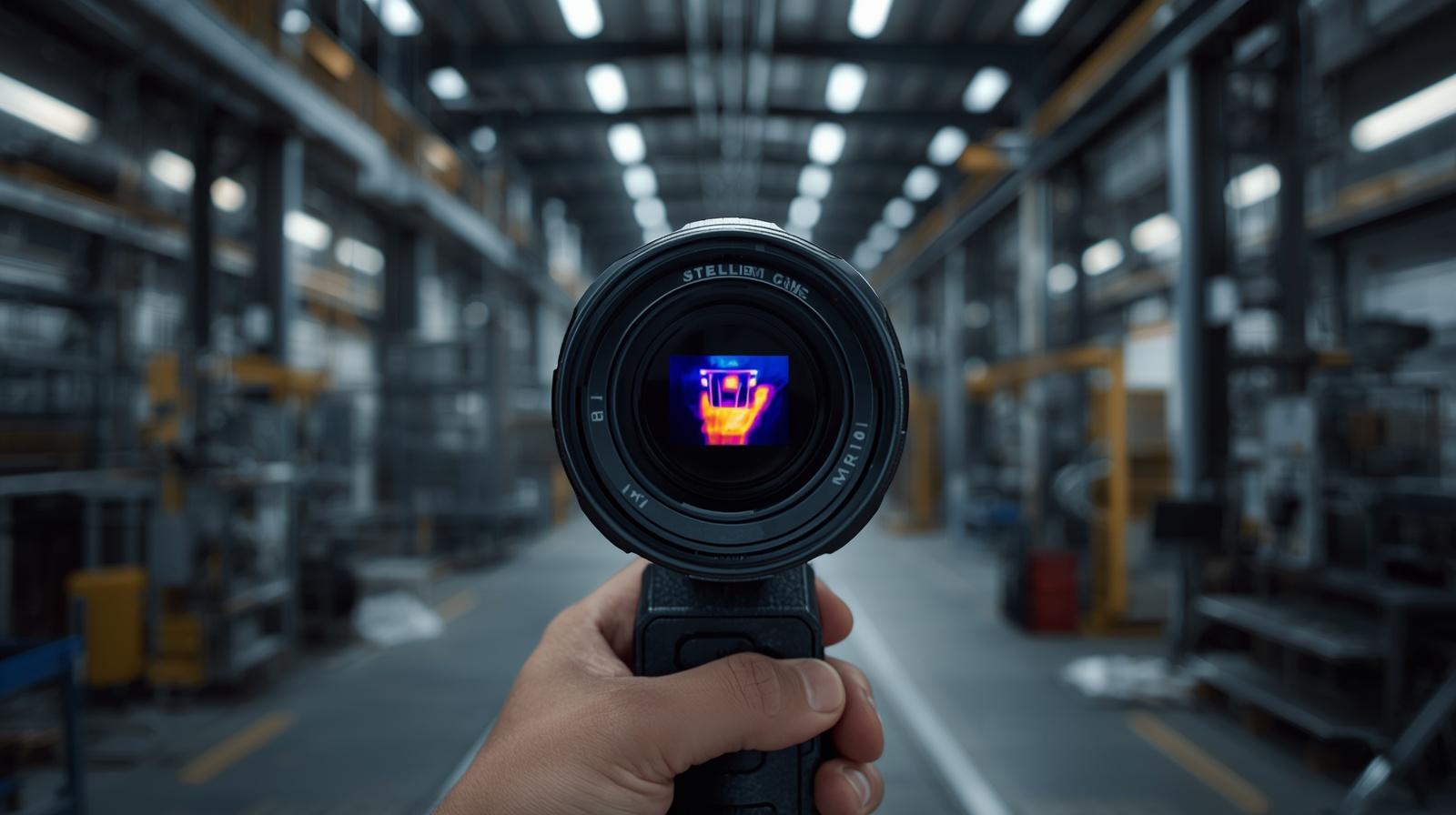
Electrical inspection is dominating the handheld thermal camera market due to the increasing need for early detection of overheating components, loose connections, overloaded circuits, and electrical faults in industrial, commercial, and utility infrastructures. Handheld thermal cameras enable non-contact and real-time temperature monitoring of electrical panels, transformers, switchgears, motors, and power distribution systems, helping prevent equipment failures, fire hazards, and costly downtime. Growing emphasis on predictive maintenance, workplace safety, energy efficiency, and reliable power system operations across manufacturing plants, commercial buildings, and energy facilities is significantly driving the adoption of handheld thermal cameras for electrical inspection applications.
“The manufacturer direct/web store is expected to grow at the fastest CAGR during the forecast period.”
In the distribution channel segment, the manufacturer direct/web store segment is expected to witness the fastest growth due to increasing preference for online purchasing, direct customer engagement, and easy access to a wide range of thermal imaging products. Manufacturers are increasingly expanding their digital sales platforms to provide customized product options, technical support, product demonstrations, and competitive pricing directly to industrial and commercial customers. In addition, the growing adoption of e-commerce platforms, rising digitalization, and increasing demand for convenient purchasing and faster product availability are further driving the growth of manufacturer direct and web store sales channels in the handheld thermal camera market.
“The industrial segment dominated the handheld thermal camera market, by vertical, in 2025.”
The industrial segment is dominating the handheld thermal camera market due to the growing adoption of predictive maintenance, equipment monitoring, and fault detection solutions across manufacturing, energy, oil & gas, automotive, and utility industries. Industries increasingly use handheld thermal cameras to detect overheating machinery, electrical faults, insulation issues, and mechanical wear before equipment failures occur, helping reduce downtime, maintenance costs, and operational risks. In addition, rising focus on workplace safety, industrial automation, energy efficiency, and continuous monitoring of critical assets is further driving the demand for handheld thermal cameras in industrial applications.
Key Players
Leading players in the global handheld thermal camera market include Teledyne FLIR (US), Fluke Corporation (US), Hikmicro (China), Testo SE & Co KGaA (Germany), Guide Sensmart (China), Infiray (China), and Seek Thermal (US), among others.
For more info: https://www.marketsandmarkets.com/Market-Reports/handheld-thermal-camera-market-244645068.html
