Introduction to Managed Security Services
Managed Security Services have become an integral component of enterprise cybersecurity strategies as organizations navigate increasingly sophisticated cyber threats and expanding digital environments.
By outsourcing critical security functions to specialized providers, enterprises gain access to advanced technologies, cybersecurity expertise, and continuous protection without the operational challenges associated with maintaining large internal security teams.
History of Managed Security Services
The Managed Security Services market has evolved from traditional network monitoring and firewall management into comprehensive cybersecurity platforms delivering threat intelligence, managed detection and response, identity protection, vulnerability management, and compliance reporting.
Growing cloud adoption, digital transformation initiatives, and increasingly sophisticated cyberattacks have accelerated this transition, positioning MSS providers as strategic cybersecurity partners rather than conventional IT service vendors.
Benefits of Managed Security Services
Organizations adopting Managed Security Services benefit from:
- Continuous 24/7 security monitoring.
- Faster threat detection and incident response.
- Improved regulatory compliance.
- Reduced operational complexity.
- Access to specialized cybersecurity expertise.
- Enhanced protection across cloud, hybrid, and on-premises environments.
- Greater operational resilience through proactive risk management.
Key Market Highlights:
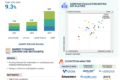
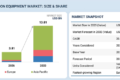
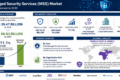
- 2024 Market Size: USD 35.27 Billion
- 2025 Projected Market Size: USD 39.47 Billion
- 2030 Forecasted Market Size: USD 66.83 Billion
- Growth Rate (2025-2030): CAGR of 11.1%
- Data available from 2019 to 2030
- Fully managed security services are projected to account for the largest market share throughout the forecast period.
- Large enterprises remain the leading adopters due to extensive digital infrastructure and complex cybersecurity requirements.
- The Middle East & Africa is forecast to register the highest CAGR during the study period.
- Increasing regulatory compliance requirements continue to strengthen enterprise investments in managed cybersecurity solutions.
Download PDF Brochure View Full Report
Why This Market Matters
Cybersecurity has become a strategic business priority rather than solely an IT function. Organizations across industries face increasingly sophisticated attacks while navigating expanding regulatory obligations and growing digital ecosystems.
Managed Security Services enable enterprises to strengthen cyber resilience without building extensive in-house security operations. By combining expert resources with continuous monitoring, threat intelligence, and incident response capabilities, MSS providers help organizations improve operational efficiency while maintaining compliance with evolving security standards.
As digital transformation accelerates across cloud, hybrid, and on-premises environments, managed security services are becoming essential for protecting business continuity and safeguarding critical assets.
Managed Security Services Market Overview
The Managed Security Services Market continues to evolve as enterprises seek scalable cybersecurity capabilities that can adapt to rapidly changing threat environments.
Rising compliance requirements under frameworks such as GDPR, HIPAA, and CCPA are encouraging organizations to implement continuous monitoring and proactive incident response. At the same time, increasing cyberattack sophistication has made traditional security models less effective, prompting businesses to adopt outsourced security operations supported by advanced analytics and expert threat intelligence.
Managed service providers are responding by integrating technologies such as Security Information and Event Management (SIEM), endpoint protection, threat intelligence, and automated response capabilities into comprehensive security offerings that reduce operational burden while improving security outcomes.
Analyst Perspective
The MSS market reflects a broader shift toward outcome-based cybersecurity strategies. Enterprises increasingly recognize that maintaining round-the-clock security operations internally is both resource-intensive and difficult amid persistent talent shortages.
As regulatory expectations continue to expand alongside digital transformation initiatives, organizations are prioritizing managed security partners capable of delivering scalable protection, regulatory support, and rapid threat response. This combination of operational efficiency and cybersecurity expertise is expected to remain a key driver of long-term market growth.
Segment Analysis
Fully Managed Security Services Lead Market Adoption
The fully managed security services segment is expected to capture the largest market share throughout the forecast period.
Organizations increasingly prefer comprehensive security solutions that eliminate the need to build internal security operations centers while providing continuous monitoring, threat detection, vulnerability management, incident response, and compliance reporting through a unified service model.
The availability of expert-led monitoring combined with technologies such as SIEM, firewalls, and endpoint protection allows enterprises to strengthen security while reducing operational complexity and improving incident response times.
Large Enterprises Continue to Dominate Demand
Large enterprises are expected to account for the largest share of the market due to their extensive digital infrastructure and higher exposure to sophisticated cyber threats.
Operating across cloud, on-premises, and hybrid environments requires continuous visibility and rapid threat response. Consequently, large organizations increasingly invest in scalable MSS offerings that incorporate AI-driven analytics, zero-trust security frameworks, integrated threat intelligence, and 24/7 Security Operations Center (SOC) capabilities.
Growing regulatory obligations, supply chain security concerns, and data privacy requirements further reinforce enterprise demand for comprehensive managed security services.
MSS Market Regional Analysis
The Middle East & Africa is projected to record the highest CAGR during the forecast period.
Rapid digital transformation initiatives across the UAE, Saudi Arabia, and South Africa are increasing cybersecurity investment in sectors including smart cities, financial technology, and critical infrastructure.
The region’s energy industry continues to face elevated cyber risks, driving demand for continuous monitoring and advanced threat detection capabilities. Regulatory initiatives, including the UAE’s Resolution No. 281, are further encouraging organizations to strengthen cybersecurity governance through managed services.
Strategic collaborations between technology providers and regional organizations are also expanding cybersecurity capabilities, enabling enterprises to implement scalable and compliance-focused security operations while supporting national cybersecurity objectives.
Managed Security Industry Trends
- Regulatory compliance is becoming a primary driver of managed security investments.
- Enterprises are increasingly outsourcing security operations to address cybersecurity talent shortages.
- Continuous monitoring and rapid incident response are becoming standard enterprise security requirements.
- AI-driven analytics and automated threat response are improving operational efficiency.
- Zero-trust architectures continue to gain traction across enterprise cybersecurity strategies.
- Demand for integrated cloud, hybrid, and on-premises security management continues to increase.
Competitive Landscape
The global MSS market remains highly competitive, with leading technology and cybersecurity providers expanding their managed security portfolios through advanced threat intelligence, cloud-native security capabilities, and integrated security operations.
Leading managed security companies operating in the market include:
- IBM
- NTT
- LevelBlue
- Accenture
- DXC Technology
- Secnap
- Deloitte
- Secureworks
- Trustwave
- Verizon
These organizations continue to strengthen their market positions by enhancing managed detection and response capabilities, expanding global Security Operations Center networks, and delivering compliance-focused cybersecurity services tailored to enterprise requirements.
Growth Drivers
Several factors continue to accelerate growth in the Managed Security Services market:
- Increasing frequency and sophistication of cyberattacks.
- Growing regulatory compliance requirements including GDPR, HIPAA, and CCPA.
- Global shortage of skilled cybersecurity professionals.
- Rising enterprise adoption of cloud and hybrid infrastructure.
- Greater demand for continuous monitoring and proactive threat management.
- Increasing focus on protecting critical infrastructure and sensitive business data.
Key Opportunities
The market presents significant opportunities as organizations continue expanding digital operations while strengthening cybersecurity resilience.
Growth prospects are particularly strong in:
- AI-powered security analytics.
- Managed Detection and Response (MDR).
- Extended Detection and Response (MXDR).
- Cloud security services.
- Identity and data protection.
- Compliance-focused managed cybersecurity solutions.
- Rapidly developing markets across the Middle East & Africa.