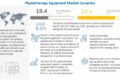
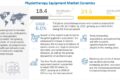
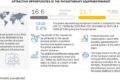
The global physiotherapy equipment market is experiencing strong growth as healthcare providers increasingly adopt advanced rehabilitation technologies to address the rising burden of musculoskeletal disorders, sports injuries, neurological conditions, and age-related mobility issues. Valued at USD 6.26 billion in 2023, the market reached USD 6.70 billion in 2024 and is projected to grow at a CAGR of 7.1% during the forecast period, reaching USD 9.45 billion by 2029.
Physiotherapy has become an essential component of modern healthcare, offering non-invasive treatment options that help reduce pain, restore movement, improve muscle strength, and accelerate recovery after injury or surgery. From orthopedic rehabilitation and neurological recovery to sports medicine and women’s health, physiotherapy equipment plays a critical role in improving patient outcomes while reducing dependence on medications and invasive procedures.
Growing investments in healthcare infrastructure, rising awareness of physical rehabilitation, technological advancements, and the integration of smart digital technologies are expected to continue driving the global physiotherapy equipment market over the coming years.
Download PDF Brochure: https://www.marketsandmarkets.com/pdfdownloadNew.asp?id=65250228
Rising Incidence of Sports Injuries and Musculoskeletal Disorders Drives Market Growth
One of the primary factors fueling the physiotherapy equipment market is the growing prevalence of sports-related injuries and musculoskeletal disorders worldwide.
The increasing popularity of professional sports, fitness activities, recreational athletics, and government-supported sports programs has significantly increased the number of injuries involving muscles, ligaments, tendons, and joints. Physiotherapy plays a vital role in helping athletes recover safely while restoring strength, flexibility, balance, and mobility.
Modern physiotherapy clinics increasingly rely on advanced rehabilitation technologies such as:
- Electrical stimulation devices
- Therapeutic ultrasound systems
- Cryotherapy and heat therapy equipment
- Resistance training systems
- Balance and gait rehabilitation devices
- Robotic rehabilitation technologies
These solutions enable personalized rehabilitation programs that accelerate recovery and reduce the risk of reinjury.
Beyond sports medicine, the growing incidence of osteoarthritis, rheumatoid arthritis, chronic back pain, neck pain, and joint degeneration continues to increase demand for advanced physiotherapy equipment across hospitals and rehabilitation centers.
Aging Population Increases Demand for Rehabilitation Services
The rapidly expanding elderly population is another major growth driver for the global physiotherapy equipment market.
As people age, they become more susceptible to mobility limitations, osteoporosis, joint degeneration, muscle weakness, and chronic pain conditions that require long-term rehabilitation. Physiotherapy enables older adults to maintain independence, improve balance, reduce fall risk, and enhance overall quality of life.
Healthcare providers are increasingly recommending physiotherapy as a first-line treatment before considering surgical intervention for many musculoskeletal disorders. This shift toward conservative, non-invasive treatment continues to support strong market demand worldwide.
Growing Burden of Cerebrovascular Diseases Expands Market Opportunities
The increasing prevalence of cerebrovascular disorders is creating significant opportunities for physiotherapy equipment manufacturers.
Stroke, transient ischemic attacks, intracerebral hemorrhage, and other neurological conditions often leave patients with impaired movement, muscle weakness, balance disorders, and reduced coordination. Rehabilitation programs supported by advanced physiotherapy equipment are essential for helping these individuals regain functional independence.
Lifestyle-related risk factors such as obesity, physical inactivity, smoking, unhealthy diets, and excessive alcohol consumption continue to contribute to rising neurological disease rates globally, increasing the need for long-term rehabilitation solutions.
Technological Innovation Is Transforming Physiotherapy Equipment
Rapid technological advancements are reshaping the physiotherapy equipment market through the introduction of intelligent rehabilitation systems that deliver more personalized patient care.
Manufacturers are increasingly integrating technologies such as:
- Wearable rehabilitation devices
- Artificial intelligence-assisted therapy
- Robotic rehabilitation systems
- Virtual physiotherapy platforms
- Motion tracking technologies
- Augmented reality rehabilitation
- Digital patient monitoring
These innovations enable clinicians to track patient progress in real time, customize treatment protocols, and improve rehabilitation outcomes while enhancing patient engagement.
The growing adoption of home-based rehabilitation supported by connected devices is also expanding market opportunities beyond traditional clinical settings.
Emerging Markets Offer Significant Growth Potential
Emerging economies are expected to become major growth engines for the physiotherapy equipment market during the forecast period.
Countries including India, China, Brazil, Saudi Arabia, and the United Arab Emirates are investing heavily in healthcare modernization, rehabilitation centers, specialty hospitals, and sports medicine facilities.
Several factors are supporting rapid market expansion across these regions:
- Rising healthcare expenditure
- Expanding private hospital networks
- Improving healthcare accessibility
- Increasing middle-class population
- Growing awareness of rehabilitation therapies
- Rising burden of chronic diseases
- Government support for universal healthcare
Additionally, the growing popularity of organized sports and fitness culture is increasing demand for specialized physiotherapy clinics equipped with advanced rehabilitation technologies.
Physiotherapy Equipment Segment Leads the Market
Based on product type, physiotherapy equipment accounted for the largest share of the global market and is expected to maintain its leadership throughout the forecast period.
This category includes a broad range of advanced rehabilitation devices such as:
- Electrotherapy equipment
- Ultrasound therapy systems
- Laser therapy devices
- Robotic rehabilitation equipment
- Electrical muscle stimulation devices
- Continuous passive motion systems
- Gait training equipment
Compared with accessories such as braces, furniture, and bandages, advanced physiotherapy equipment delivers more precise, targeted, and personalized treatment, making it the preferred investment for hospitals and rehabilitation centers.
The increasing integration of wearable sensors, digital health platforms, and remote monitoring capabilities further enhances the value of advanced physiotherapy systems.
Request Sample Report: https://www.marketsandmarkets.com/requestsampleNew.asp?id=65250228
Gynecological Applications Witness Rapid Growth
Among application areas, gynecological physiotherapy is projected to register the fastest growth during the forecast period.
Growing awareness of women’s pelvic health has significantly increased demand for physiotherapy solutions that address conditions including:
- Urinary incontinence
- Pelvic floor dysfunction
- Pelvic organ prolapse
- Pregnancy-related musculoskeletal pain
- Postpartum rehabilitation
Physiotherapy offers safe, effective, and non-invasive treatment options that help improve muscle strength, reduce pain, and restore normal pelvic function.
Increasing healthcare awareness, supportive clinical guidelines, and rising patient preference for conservative treatment approaches are expected to further accelerate growth within this segment.
North America Dominates the Global Physiotherapy Equipment Market
North America accounted for the largest share of the physiotherapy equipment market in 2023 and is expected to maintain its leading position throughout the forecast period.
Several factors contribute to the region’s market leadership:
- Advanced healthcare infrastructure
- High healthcare expenditure
- Strong reimbursement systems
- Early adoption of rehabilitation technologies
- Large aging population
- High participation in sports and fitness activities
- Presence of leading physiotherapy equipment manufacturers
The United States and Canada continue investing heavily in rehabilitation hospitals, outpatient physiotherapy clinics, sports medicine centers, and digital healthcare solutions, creating sustained demand for technologically advanced physiotherapy equipment.
Meanwhile, Asia Pacific is expected to witness the fastest growth due to expanding healthcare infrastructure, rising disposable incomes, increasing awareness of rehabilitation services, and greater investments in modern physiotherapy facilities.
Competitive Landscape
The global physiotherapy equipment market remains highly competitive, with leading manufacturers focusing on product innovation, smart rehabilitation technologies, strategic partnerships, and geographic expansion.
Key companies operating in the market include Enovis Corp., BTL Industries, Performance Health, ITO Co., Ltd., Enraf-Nonius B.V., Dynatronics Corporation, EMS Physio Ltd., Zimmer MedizinSysteme GmbH, and Zynex Inc.
These companies continue investing in research and development to introduce AI-enabled rehabilitation systems, wearable physiotherapy devices, robotic therapy platforms, and connected digital rehabilitation solutions that improve clinical outcomes and enhance patient experiences.
Inquiry Before Buying: https://www.marketsandmarkets.com/Enquiry_Before_BuyingNew.asp?id=65250228
Future Outlook
The future of the physiotherapy equipment market remains highly promising as rehabilitation becomes an increasingly important component of modern healthcare. Rising incidences of chronic diseases, sports injuries, neurological disorders, and age-related mobility challenges will continue to drive demand for advanced physiotherapy solutions worldwide. Technological innovations, including robotics, artificial intelligence, wearable devices, virtual rehabilitation, and remote patient monitoring, are expected to transform physiotherapy practice while improving treatment effectiveness and accessibility. Supported by expanding healthcare investments and growing awareness of non-invasive rehabilitation, the global physiotherapy equipment market is well positioned for sustained growth through 2029.