The global Preimplantation Genetic Diagnosis Market is projected to grow from USD 690.2 million in 2025 to USD 1,135.0 million by 2030, registering a CAGR of 10.5% during the forecast period. Market growth is being driven by the increasing prevalence of genetic disorders and infertility, rising adoption of assisted reproductive technologies, particularly IVF, and growing demand for advanced embryo screening technologies that support informed clinical decision-making and improved treatment outcomes.
Download PDF Brochure:- https://www.marketsandmarkets.com/pdfdownloadNew.asp?id=605
Growing Focus on Preimplantation Genetic Diagnosis and IVF Success Drives Market Growth
The preimplantation genetic testing market is experiencing significant growth as fertility clinics and reproductive healthcare providers increasingly adopt advanced technologies, including Preimplantation Genetic Diagnosis, to support embryo selection before implantation.
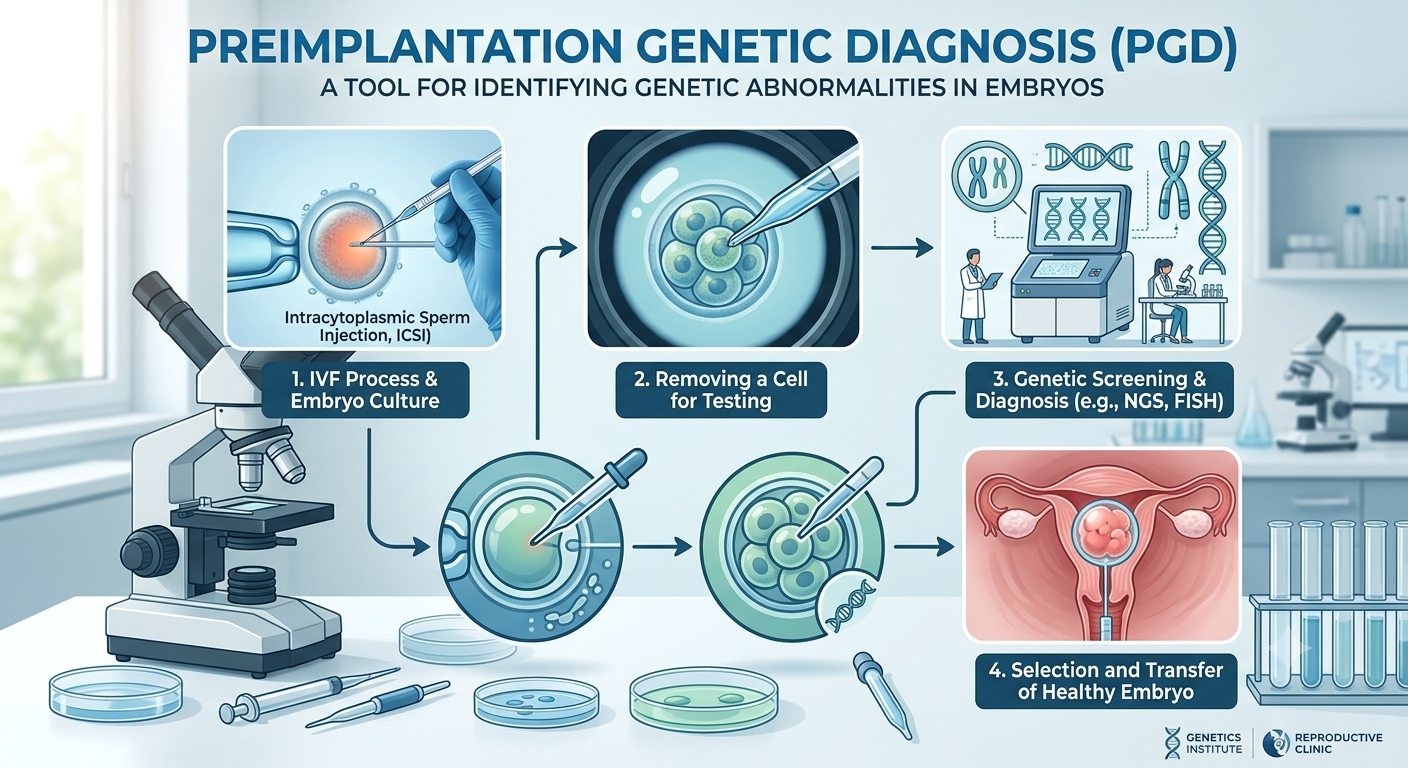
The rising incidence of genetic disorders and increasing infertility rates are driving demand for assisted reproductive technologies such as in vitro fertilization (IVF). Preimplantation genetic testing enables the assessment of embryos for specific genetic and chromosomal abnormalities, helping clinicians identify embryos based on established testing and clinical protocols.
Growing awareness of hereditary disease prevention and the increasing focus on personalized reproductive healthcare are further supporting market expansion. At the same time, technological advancements in Next Generation Sequencing, PCR, SNP analysis, comparative genomic hybridization (CGH), and bioinformatics are improving testing capabilities, throughput, and analytical precision.
Aneuploidy Screening Expected to Hold the Largest Market Share
Preimplantation genetic screening, particularly Aneuploidy Screening, is expected to hold the largest share of the market during the forecast period.
The increasing use of Aneuploidy Screening to identify chromosomal abnormalities before embryo transfer is a major factor supporting segment growth. Fertility clinics and IVF centers are increasingly adopting comprehensive and high-throughput screening approaches as part of advanced reproductive medicine workflows.
The integration of modern sequencing and array-based technologies is improving the speed, accuracy, and consistency of embryo screening workflows. Automated and ready-to-use testing solutions are also helping laboratories streamline operations and support higher testing volumes.
The continued emphasis on improving embryo selection, reducing the risk of transferring embryos with chromosomal abnormalities, and optimizing IVF treatment workflows is expected to support sustained demand for advanced genetic screening technologies.
Next Generation Sequencing Segment Expected to Maintain Technology Leadership
The Next Generation Sequencing (NGS) segment is expected to hold the largest share of the preimplantation genetic testing market during the forecast period.
Next Generation Sequencing has emerged as an important technology for comprehensive chromosomal and single-gene disorder analysis in embryos prior to implantation. Its high-throughput capabilities enable detailed genetic analysis and support the simultaneous assessment of multiple genetic characteristics.
Compared with several traditional testing approaches, Next Generation Sequencing offers strong analytical capabilities, including high sensitivity and resolution. Continued improvements in sequencing platforms, laboratory automation, and bioinformatics tools are also supporting faster and more efficient testing workflows.
The growing integration of NGS into fertility and reproductive genetics laboratories is expected to strengthen its position in the evolving precision reproductive medicine ecosystem and support broader adoption of advanced Preimplantation Genetic Diagnosis and screening procedures.
Precision Reproductive Medicine Creates New Opportunities
The increasing shift toward personalized and precision reproductive medicine is creating new opportunities for genetic testing providers, sequencing companies, fertility clinics, and specialized diagnostic laboratories.
Advanced embryo testing technologies, including Next Generation Sequencing, are increasingly being integrated with digital laboratory systems and bioinformatics platforms to support more comprehensive genetic analysis and informed embryo selection.
Growing demand for Aneuploidy Screening and genetic testing for inherited conditions is expected to expand the role of preimplantation testing across assisted reproduction and IVF workflows. The increasing adoption of Preimplantation Genetic Diagnosis is also creating opportunities for companies developing specialized testing solutions for reproductive genetics.
Companies capable of offering efficient, scalable, and clinically validated testing solutions are expected to benefit from the growing adoption of advanced reproductive genetics technologies.
Product Innovation and Automation Support Market Development
The preimplantation genetic testing ecosystem includes a broad range of reagents, consumables, instruments, software, and specialized testing services.
Increasing laboratory automation and improvements in bioinformatics are helping reduce workflow complexity and support higher-throughput genetic analysis. The development of integrated testing solutions is also enabling laboratories and fertility centers to streamline sample processing, sequencing, data analysis, and reporting.
Ongoing innovation in Next Generation Sequencing and genetic analysis software platforms is expected to remain an important factor shaping competition and product development. These advancements are supporting more efficient Aneuploidy Screening, Preimplantation Genetic Diagnosis, and other embryo testing applications.
Speak To Analyst:- https://www.marketsandmarkets.com/speaktoanalystNew.asp?id=605
Asia Pacific Expected to Register the Fastest Growth
Asia Pacific is expected to be the fastest-growing region in the preimplantation genetic testing market during the forecast period.
The region’s growth is supported by increasing infertility rates, greater awareness of genetic disorders, and expanding adoption of IVF and other assisted reproductive technologies. Growing interest in advanced procedures such as Preimplantation Genetic Diagnosis and chromosomal screening is further contributing to market growth.
Improving access to advanced fertility treatments and growing investments in reproductive healthcare infrastructure are creating new opportunities across Asia Pacific. Government initiatives focused on healthcare development and the increasing availability of specialized fertility services are also contributing to market expansion.
International and regional companies are strengthening their presence through partnerships, collaborations, technology integration, and expanded distribution networks to address emerging opportunities across the region.
Competitive Landscape
The global preimplantation genetic testing market includes established genomic technology companies, diagnostic solution providers, reproductive healthcare specialists, and laboratory technology manufacturers.
Key players profiled in the report include Illumina, Inc., Thermo Fisher Scientific Inc., Agilent Technologies, Inc., CooperCompanies, Revvity, Abbott, Takara Bio Inc., and QIAGEN, among others.
Companies are increasingly focused on advancing Next Generation Sequencing technologies, expanding portfolios for Preimplantation Genetic Diagnosis and Aneuploidy Screening, improving laboratory workflows, and developing integrated solutions for fertility and IVF applications. As demand for precision reproductive medicine continues to grow, innovation in genetic testing technologies is expected to remain a key competitive focus across the market.