The connected home is moving rapidly from a collection of standalone smart devices toward an integrated digital ecosystem. Increasing internet penetration, IoT adoption, artificial intelligence (AI), remote monitoring, energy management, and growing consumer demand for safety and convenience are transforming how people interact with their homes.
The latest Smart Home Market Statistics from MarketsandMarkets highlight the scale of this transformation. According to the report, the global smart home market was valued at USD 230.76 billion in 2026 and is projected to reach USD 450.20 billion by 2032, registering a CAGR of 11.8% between 2026 and 2032.
These numbers point to a rapidly expanding market in which connected technologies are becoming increasingly embedded in residential environments.
Smart Home Market Statistics at a Glance
The latest Smart Home Market Statistics reveal several important indicators of market momentum:
USD 230.76 billion: Estimated global market size in 2026.
USD 450.20 billion: Projected market size by 2032.
11.8%: Expected CAGR from 2026 to 2032.
~64%: Share held by wireless protocol and communication technology in 2025.
~20%: Expected CAGR for smart home HVAC during the forecast period.
~17%: Projected CAGR for Asia Pacific, making it one of the fastest-growing regional markets.
These Smart Home Market Statistics demonstrate that connected-home adoption is moving beyond convenience-focused applications toward broader solutions for security, energy efficiency, healthcare, comfort, and automation.
What Is Driving the Smart Home Market?
One of the most important Smart Home Market Statistics is the projected 11.8% CAGR through 2032. Several structural factors are supporting this growth.
Rising Internet Penetration and Connected Devices
Growing access to high-speed internet and the proliferation of smartphones and IoT-enabled products are creating the infrastructure required for connected homes. Consumers can increasingly connect lighting, security cameras, speakers, appliances, HVAC systems, and other devices through centralized platforms.
According to MarketsandMarkets, rising internet penetration and the proliferation of connected smart devices are major market drivers.
AI-Powered Home Automation
AI is changing smart home functionality from simple remote control to intelligent automation. AI-enabled systems can support personalized settings, automated routines, predictive control, and improved energy management.
The integration of AI with connected devices is therefore expected to become increasingly important as consumers look for homes that can automatically respond to their preferences and surroundings.
Growing Demand for Smart Security
Security remains one of the strongest use cases for smart home technology. Connected cameras, smart locks, sensors, alarms, and access-control systems allow homeowners to monitor and manage their properties remotely.
The growing emphasis on safety, security, and convenience is identified by MarketsandMarkets as an important factor supporting smart home adoption.
Focus on Energy Efficiency
Energy management is becoming another major component of the connected-home ecosystem. Smart thermostats, lighting controls, energy-monitoring systems, and connected HVAC solutions can help homeowners better understand and manage energy consumption.
The increasing demand for energy-efficient and low-carbon solutions is expected to create additional opportunities across the market.
Wireless Technology Takes the Lead
Another notable finding in the Smart Home Market Statistics is the strong position of wireless connectivity.
The wireless segment accounted for approximately 64% of the smart home market in 2025, according to MarketsandMarkets. Wireless technologies provide flexibility for installation and make it easier to connect and control multiple devices throughout a home.
This trend is particularly important as consumers increasingly expect seamless connectivity between smartphones, voice assistants, appliances, security systems, lighting, and HVAC equipment.
Download PDF Brochure @ https://www.marketsandmarkets.com/pdfdownloadNew.asp?id=121
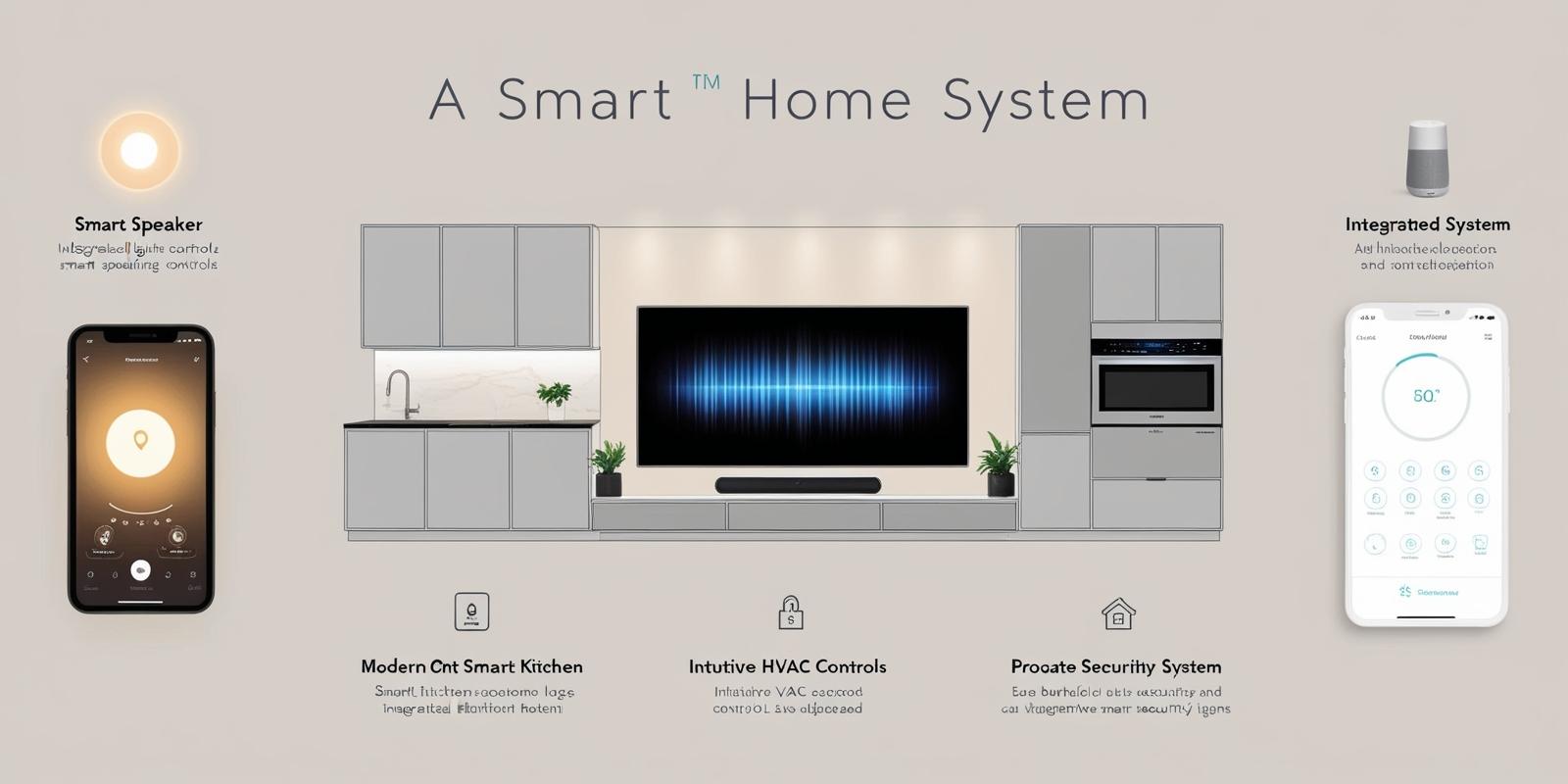
Smart HVAC Emerges as a High-Growth Opportunity
Among product categories, smart HVAC systems are expected to register the highest growth rate, with an estimated CAGR of approximately 20% during the forecast period.
This growth reflects the increasing focus on indoor comfort, energy efficiency, remote temperature management, and automated climate control. As energy costs and sustainability considerations become more important, intelligent HVAC solutions can become a central component of connected-home strategies.
Asia Pacific Becomes a Major Growth Engine
Regional Smart Home Market Statistics highlight the growing importance of Asia Pacific.
MarketsandMarkets projects Asia Pacific to register the highest regional CAGR of approximately 17%. Rapid urbanization, rising middle-class incomes, growing smartphone penetration, improving digital infrastructure, and increasing awareness of connected living are supporting adoption across the region.
The region’s strong manufacturing ecosystem for consumer electronics and connected devices also creates favorable conditions for the expansion of smart home technologies.
From Standalone Devices to Integrated Ecosystems
The smart home market is undergoing an important structural shift. Early adoption was often centered around individual connected products. Increasingly, consumers are looking for integrated platforms capable of controlling and coordinating multiple systems.
Lighting, security, HVAC, entertainment, appliances, healthcare, and energy management can increasingly operate as connected components of a broader home ecosystem.
This shift creates opportunities for companies that can provide interoperability, centralized control, intelligent automation, and seamless user experiences. MarketsandMarkets identifies this movement toward integrated smart home platforms as a significant trend.
Major Smart Home Application Areas
The latest Smart Home Market Statistics cover a diverse range of applications, including:
Safety & Security: Smart cameras, locks, alarms, sensors, and access control.
Comfort & Convenience: Automated lighting, appliances, HVAC, and connected home controls.
Energy Management: Smart meters, thermostats, lighting controllers, and energy-monitoring systems.
Entertainment: Connected televisions, speakers, and centralized entertainment systems.
Health & Wellness: Connected healthcare and monitoring solutions.
Smart Kitchens: Connected appliances and automated kitchen technologies.
The diversification of applications is helping the market move beyond early-adopter segments and toward more comprehensive connected-home environments.
Challenges Could Influence Market Adoption
Despite strong growth prospects, the Smart Home Market Statistics also need to be considered alongside adoption barriers.
High upfront costs, cybersecurity and data-privacy concerns, dependence on stable internet connectivity, and interoperability issues can slow adoption. MarketsandMarkets identifies interoperability gaps and the lack of unified standards as important challenges for smart home ecosystems.
For consumers, incompatible devices can make smart home management more complicated. For manufacturers and technology providers, fragmented ecosystems can increase development and integration costs.
Sustainability Creates New Opportunities
Sustainability is becoming an increasingly important opportunity for smart home technology.
Government initiatives supporting green buildings, energy-efficient construction, and sustainable infrastructure can encourage adoption of smart lighting, HVAC controls, energy-management systems, and other connected technologies.
As consumers and policymakers place greater emphasis on reducing energy consumption and carbon emissions, smart home solutions that combine convenience with measurable efficiency gains could see stronger demand.
Future Outlook: Where Is the Smart Home Market Heading?
The latest Smart Home Market Statistics suggest that the connected home will become increasingly intelligent, automated, and integrated.
The global market is expected to nearly double from USD 230.76 billion in 2026 to USD 450.20 billion by 2032.
Future development is likely to be influenced by:
AI-powered automation
IoT-enabled ecosystems
Wireless connectivity
Smart security and access control
Intelligent HVAC
Energy-management solutions
Voice and mobile interfaces
Remote monitoring and control
Greater interoperability between devices
Sustainability-focused smart home technologies
The competitive landscape includes major companies such as Schneider Electric, Siemens, Amazon, Honeywell, ASSA ABLOY, Johnson Controls, Robert Bosch, ADT, Daikin, and ABB, alongside emerging players and startups.
The latest Smart Home Market Statistics reveal a market undergoing a fundamental transformation. Smart home technology is evolving from isolated connected products into integrated ecosystems capable of delivering security, comfort, energy efficiency, healthcare support, and intelligent automation.
With the global market projected to reach USD 450.20 billion by 2032 at an 11.8% CAGR, the opportunity extends across device manufacturers, software providers, connectivity companies, energy-management firms, security solution providers, and home automation platforms.
As AI, IoT, wireless connectivity, and energy-efficient technologies continue to converge, the connected home is becoming an important part of the broader digital transformation landscape.
Frequently Asked Questions — Smart Home Market Statistics
- What are the key Smart Home Market Statistics?
According to MarketsandMarkets, the global smart home market is projected to grow from USD 230.76 billion in 2026 to USD 450.20 billion by 2032, registering a CAGR of 11.8% during the forecast period. - What is driving the growth of the smart home market?
Key growth factors include increasing IoT adoption, rising internet penetration, growing demand for home security, energy-efficiency initiatives, AI-powered automation, and increasing consumer demand for connected devices. - Which technology is prominent in the Smart Home Market Statistics?
Wireless connectivity represents a major portion of the market, supported by the convenience, flexibility, and scalability it provides for connecting multiple smart home devices. - Which smart home application is growing fastest?
Smart HVAC is expected to be among the fastest-growing areas, driven by demand for energy efficiency, automated temperature control, remote monitoring, and improved indoor comfort. - Which region has the highest growth potential?
Asia Pacific is expected to experience strong growth, supported by urbanization, rising disposable incomes, expanding digital infrastructure, smartphone adoption, and increasing awareness of smart home technologies. - What are the major applications of smart home technology?
Major applications include safety and security, comfort and convenience, energy management, entertainment, smart appliances, lighting, HVAC, and health and wellness. - How is AI influencing the smart home market?
AI enables smart homes to move beyond basic remote control toward predictive and automated decision-making, personalized settings, intelligent energy management, voice interaction, and improved security.
