The home automation system industry was valued at USD 57.71 billion in 2026 and is projected to reach USD 80.73 billion by 2032 it is expected to register a CAGR of 5.8% during the forecast period.Market growth is driven by the increasing need for energy-efficient, secure, and convenient management of residential environments. The rising adoption of smart devices, connected home platforms, and AI-enabled automation is also fueling the demand across lighting, HVAC, security, entertainment, and energy management applications. Moreover, advancements in IoT connectivity, wireless protocols, voice control, cloud-based platforms, and interoperability standards are improving system integration, remote management, and user experience. These factors are accelerating the transition toward intelligent, energy-optimized, and fully connected homes, supporting widespread adoption of home automation systems across new and existing residential properties worldwide.
Download PDF Brochure @ https://www.marketsandmarkets.com/pdfdownloadNew.asp?id=469
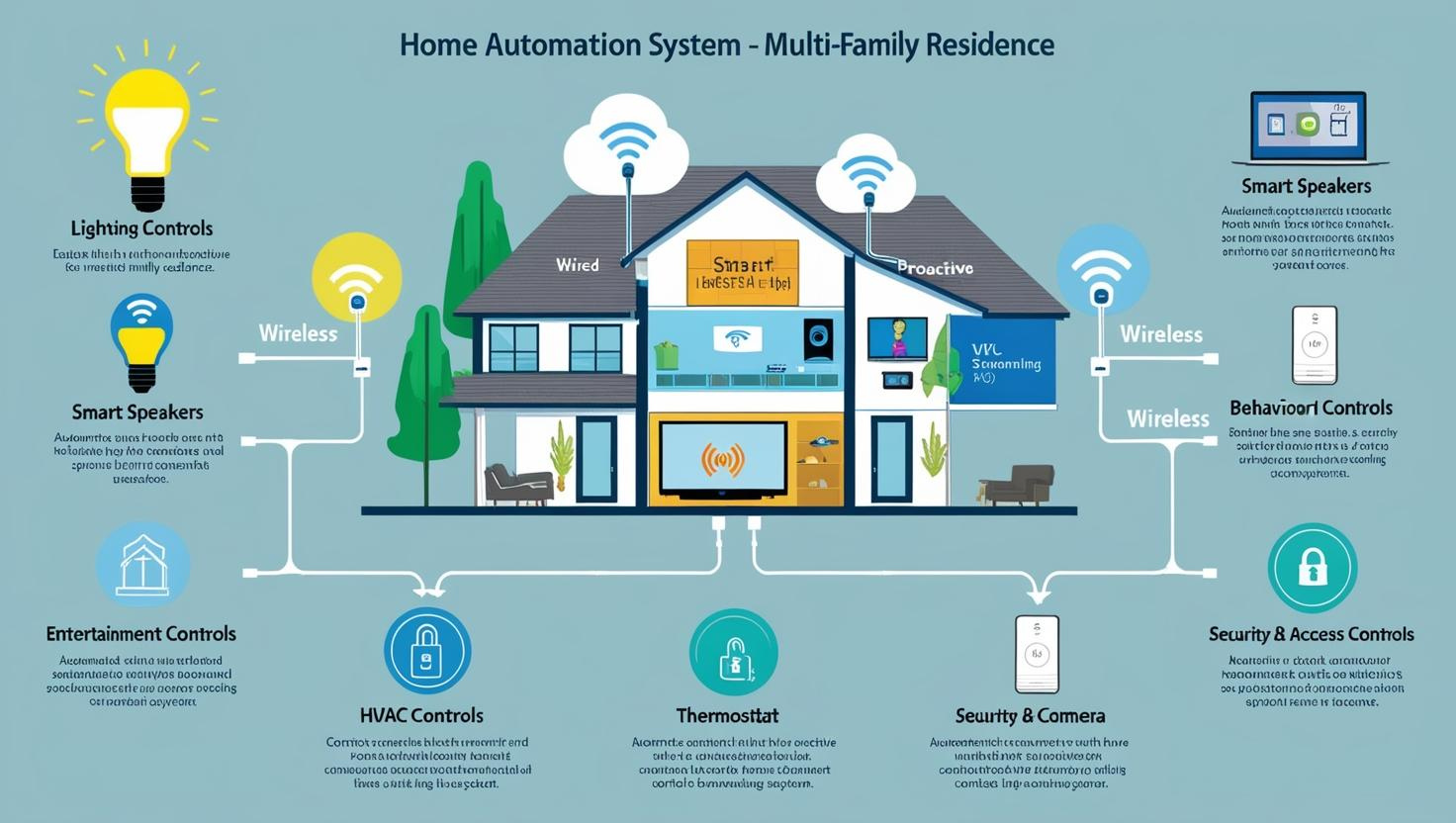
By system type, the behavioral segment is projected to exhibit a higher CAGR than the proactive segment during the forecast period.
The behavioral segment is projected to witness a higher CAGR than the proactive segment during the forecast period. Behavioral system tapes leverage AI and machine learning to adapt home systems based on user habits, preferences, and routines. By analyzing patterns in lighting, climate control, security, and appliance usage, behavioral automation enables predictive and personalized adjustments, enhancing convenience, energy efficiency, and comfort. Additionally, the growing consumer awareness regarding smart, autonomous home solutions, coupled with advancements in sensor technology, cloud computing, and voice assistant integration, is driving the adoption of this system type. Moreover, the ability to reduce energy consumption, improve security, and provide tailored experiences makes behavioral systems increasingly attractive in new and retrofit installations.
By product, the entertainment & other controls segment is projected to account for the largest market size during the forecast period.
The entertainment & other controls segment is projected to account for the largest market size in the home automation system market during the forecast period because consumers increasingly demand seamless, integrated management of home entertainment, lighting, blinds, and smart appliances. Additionally, the rising adoption of smart TVs, streaming devices, multi-room audio systems, and voice-controlled assistants drives the need for centralized control solutions. This segment also benefits from growing disposable incomes, urbanization, and the desire for convenience and enhanced lifestyle experiences. Moreover, advancements in IoT, AI, and mobile app integration enable users to personalize and automate entertainment and auxiliary home functions, making this product category the largest contributor to overall market growth.
Asia Pacific is projected to register the highest CAGR during the forecast period
Asia Pacific is projected to witness the highest CAGR in the home automation system market during the forecast period. This growth is due to rapid urbanization, rising disposable incomes, and increasing residential construction across countries like China, India, Japan, and Southeast Asia. Additionally, the growing consumer awareness regarding smart home convenience, energy efficiency, and security, combined with widespread adoption of IoT devices and high-speed internet, is further driving demand. Moreover, supportive government initiatives for smart cities, digital infrastructure expansion, and energy-efficient housing are accelerating deployment. The region also benefits from a large, tech-savvy population and the entry of global and local vendors offering affordable, interoperable home automation solutions.
Key players operating in this region include Johnson Controls (Ireland), Schneider Electric (France), Siemens (Germany), Honeywell (US), ASSA ABLOY (Sweden), Apple (US), ABB (Switzerland), Robert Bosch (Germany), Legrand (France), and ADT (US). These players have adopted various organic and inorganic growth strategies, such as product launches, expansions, acquisitions, partnerships, collaborations, agreements, and investments.
For more info: https://www.marketsandmarkets.com/Market-Reports/home-automation-control-systems-market-469.html
