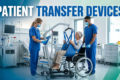
The global Patient Transfer Devices Market is projected to grow from USD 12.4 billion in 2025 to USD 16.4 billion by 2030, registering a CAGR of 5.8% during the forecast period. Market growth is driven by the increasing geriatric population, rising prevalence of chronic diseases, growing mobility-related disabilities, and increasing adoption of safe patient handling practices across hospitals, rehabilitation centers, long-term care facilities, and home healthcare settings.
Download PDF Brochure:- https://www.marketsandmarkets.com/pdfdownloadNew.asp?id=186358368
Aging Population and Chronic Diseases Drive Demand for Patient Transfer Devices
The growing prevalence of chronic diseases, including cardiovascular diseases, stroke, paralysis, and other conditions affecting physical mobility, is increasing the need for equipment that enables safe movement, positioning, transferring, and rehabilitation of patients.
The rapidly expanding elderly population is another major factor supporting market growth. Older adults are more likely to experience reduced mobility, falls, musculoskeletal conditions, and other age-related health challenges. Consequently, healthcare providers are increasingly adopting patient lifts, patient transfer systems, medical beds, wheelchairs, and other mobility solutions to improve patient safety and caregiver efficiency.
Healthcare organizations are also placing greater emphasis on reducing workplace injuries caused by manual patient handling. This is encouraging the adoption of mechanical and powered equipment that can minimize the physical strain placed on healthcare workers.
Patient Transfer Devices to Account for Major Market Share
The patient transfer devices segment is expected to dominate the Patient Transfer Devices market during the forecast period.
Patient transfer equipment enables healthcare professionals and caregivers to safely move patients between beds, wheelchairs, stretchers, and other surfaces. These solutions include patient lifts, ceiling lifts, transfer slings, sliding sheets, and air-assisted lateral transfer systems.
Growing demand for safer patient mobility solutions is encouraging hospitals and long-term care facilities to replace manual transfer methods with mechanical and powered technologies. A patient lift can assist caregivers in transferring patients with limited mobility while reducing physical strain and improving handling safety.
Similarly, ceiling lifts are gaining attention because they can facilitate transfers while requiring less physical effort from caregivers. Their application across hospitals, rehabilitation centers, nursing facilities, and home care environments is expected to support segment growth.
Increasing Adoption of Patient Lifts and Ceiling Lifts
The adoption of powered lifting technologies is becoming increasingly important as healthcare facilities seek to improve both patient and caregiver safety.
A patient lift can be used for transferring patients between a hospital bed, wheelchair, stretcher, or other care surface. Depending on the application, these systems may include mobile floor lifts, sit-to-stand lifts, and ceiling-mounted systems.
Ceiling lifts offer additional advantages in environments where frequent patient transfers are required. By using an overhead track system, ceiling-mounted lifting solutions can help caregivers move patients with reduced manual effort.
The increasing focus on ergonomic patient handling, particularly in acute and long-term care environments, is expected to create opportunities for manufacturers of advanced lifting and transfer systems.
Rehabilitation Care to Register Strong Growth
The rehabilitation care segment is expected to register the highest CAGR during the forecast period.
Increasing demand for rehabilitation services following surgery, stroke, traumatic injuries, and other medical conditions is driving the adoption of patient mobility and handling equipment. Rehabilitation facilities require solutions that can help patients progressively improve mobility, balance, strength, and independence.
Equipment such as wheelchairs, patient lifts, transfer systems, walkers, and adjustable hospital beds plays an important role in rehabilitation environments.
The growing number of rehabilitation centers, combined with increasing demand for post-acute and post-operative care, is expected to create new opportunities for Patient Transfer Devices manufacturers.
Hospital Beds and Mobility Equipment Support Patient Care
The demand for specialized hospital beds is increasing alongside the need for comprehensive patient mobility solutions. Modern hospital beds can support patient positioning, transfers, rehabilitation, and general care while improving accessibility for healthcare professionals.
Mobility equipment—including wheelchairs, walkers, canes, and crutches—also supports patients with temporary or permanent mobility limitations.
A wheelchair can provide patients with greater independence while enabling caregivers to safely transport individuals across hospitals, rehabilitation centers, nursing facilities, and home healthcare environments.
The integration of mobility equipment with broader patient handling strategies is expected to support market growth as healthcare providers increasingly focus on patient-centered care.
Rising Obesity Creates Demand for Bariatric Handling Equipment
The increasing prevalence of obesity is creating a need for specialized Patient Transfer Devices capable of safely supporting higher patient weights.
Bariatric care requires equipment with enhanced load capacity, stability, durability, and ergonomic features. Healthcare facilities are therefore investing in specialized bariatric hospital beds, patient lifts, wheelchairs, stretchers, and transfer equipment.
As hospitals and long-term care facilities expand their capabilities to treat obesity-related complications, demand for bariatric patient handling solutions is expected to increase.
Caregiver Safety Remains a Key Market Priority
Healthcare workers frequently perform activities such as lifting, repositioning, transferring, and transporting patients. Repetitive manual handling can contribute to physical strain and workplace injuries.
The adoption of mechanical handling solutions can help healthcare organizations improve caregiver safety, patient mobility, workflow efficiency, and quality of care.
As a result, hospitals and long-term care facilities are increasingly incorporating Patient Transfer Devices into workplace safety programs. Powered patient lifts, ceiling lifts, transfer aids, adjustable hospital beds, and specialized mobility equipment are becoming important components of safer patient care environments.
Europe Held the Largest Market Share
Europe accounted for the largest share of the Patient Transfer Devices market in 2024.
Market growth in Europe is supported by the region’s aging population, increasing prevalence of chronic diseases, rising obesity rates, healthcare infrastructure development, and government initiatives focused on improving healthcare services.
The expansion of elderly care and long-term care facilities is generating demand for patient transfer equipment, patient lifts, ceiling lifts, hospital beds, wheelchairs, and other mobility solutions.
The presence of established manufacturers and well-developed healthcare systems further supports the adoption of advanced patient handling technologies across the region.
Emerging Markets Offer Significant Growth Opportunities
Emerging healthcare markets are creating attractive opportunities for Patient Transfer Devices manufacturers. Investments in hospitals, rehabilitation centers, elderly care facilities, and home healthcare infrastructure are increasing demand for patient mobility and transfer solutions.
Healthcare providers in developing markets are increasingly seeking cost-effective, durable, ergonomic, and easy-to-use Patient Transfer Devices.
Manufacturers that can provide scalable solutions suited to different healthcare environments are expected to benefit from the expansion of healthcare infrastructure and growing awareness of safe patient handling practices.
Speak To Analyst :- https://www.marketsandmarkets.com/speaktoanalystNew.asp?id=186358368
Product Innovation Transforms Patient Mobility
Manufacturers are increasingly investing in product development to improve patient safety, caregiver ergonomics, accessibility, and operational efficiency.
Key areas of innovation include:
- Powered patient lifts
- Mobile and overhead ceiling lifts
- Patient transfer slings
- Air-assisted transfer systems
- Adjustable hospital beds
- Bariatric handling equipment
- Wheelchairs and mobility aids
- Smart patient handling solutions
- Rehabilitation equipment
- Ergonomic transfer technologies
The integration of advanced technologies, improved ergonomics, and user-friendly designs is expected to create new opportunities for companies operating in the Patient Transfer Devices market.
Competitive Landscape
The Patient Transfer Devices market comprises established medical device companies competing through product launches, portfolio expansion, strategic partnerships, acquisitions, and geographic expansion.
Prominent players include Arjo, Stryker Corporation, Baxter International, Inc., Savaria Corporation, Drive DeVilbiss Healthcare, Etac AB, GF Health Products, Inc., V. Guldmann A/S, and Joerns Healthcare LLC, among others.
Companies are increasingly expanding their portfolios across patient lifts, patient transfer systems, ceiling lifts, hospital beds, wheelchairs, mobility equipment, and rehabilitation solutions to address the evolving needs of hospitals, long-term care facilities, rehabilitation centers, and home healthcare providers.