The global Extended Reality (XR) Market is experiencing rapid growth as advancements in augmented reality (AR), virtual reality (VR), and mixed reality (MR) transform how businesses and consumers interact with digital environments. Extended reality combines immersive technologies to create interactive experiences that connect the physical and virtual worlds. These technologies are increasingly being adopted across healthcare, education, manufacturing, automotive, aerospace and defense, retail, gaming, and entertainment industries.
The growing demand for immersive experiences, digital training, remote collaboration, and virtual product visualization is creating significant opportunities for XR technology providers. Organizations are increasingly using XR solutions to improve workforce productivity, reduce training costs, enhance customer engagement, and optimize business operations.
Technological developments in artificial intelligence (AI), spatial computing, 5G connectivity, cloud computing, advanced displays, and motion tracking are further accelerating the adoption of extended reality solutions. These innovations are improving the quality, accessibility, and scalability of immersive applications.
Top 10 Takeaways from the Extended Reality Market
- The global extended reality market is projected to reach USD 84.86 billion by 2029.
- The market is expected to register a CAGR of 28.3% during 2024–2029.
- Augmented reality, virtual reality, and mixed reality are transforming digital experiences.
- Mixed reality is expected to register the highest CAGR among technology segments.
- Hardware is projected to grow at the highest rate among offering segments, with a CAGR of 32.4%.
- Healthcare, education, manufacturing, and gaming are important XR application areas.
- AI, spatial computing, and 5G are accelerating immersive technology adoption.
- Asia Pacific is expected to be the fastest-growing regional market.
- Automotive, aerospace, and defense offer significant opportunities for XR providers.
- Affordable devices, advanced displays, and intelligent software will shape future market development.
According to MarketsandMarkets, the global extended reality market is projected to grow from USD 24.42 billion in 2024 to USD 84.86 billion by 2029, registering a compound annual growth rate (CAGR) of 28.3% during 2024–2029. Increasing enterprise adoption, expanding consumer applications, and continuous innovation in immersive technologies are expected to support market expansion.
Download PDF Brochure @ https://www.marketsandmarkets.com/pdfdownloadNew.asp?id=147143592
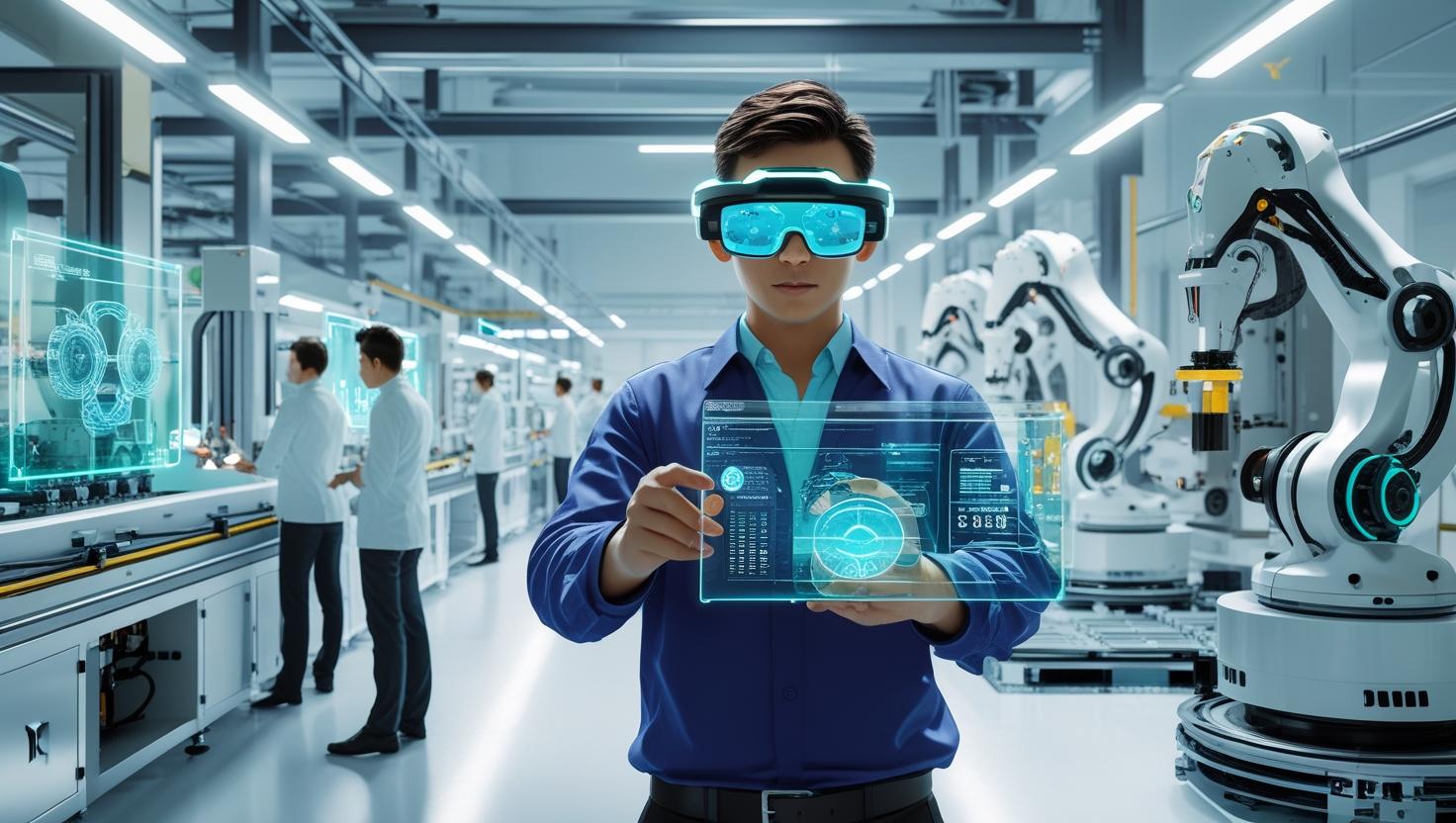
Extended Reality Market: Key Factors Driving Industry Growth
The extended reality market is gaining momentum as businesses increasingly recognize the potential of immersive technologies to improve operational efficiency and customer experiences. The growing use of XR in education, industrial training, healthcare, gaming, and entertainment is one of the major factors driving market growth.
Traditional training methods often require physical equipment, specialized facilities, and significant time investments. XR-based training environments allow organizations to simulate real-world situations in controlled virtual environments. This approach helps employees develop practical skills while reducing the risks and expenses associated with conventional training.
The increasing availability of affordable VR devices is another important growth driver. Improvements in display technology, processing capabilities, sensors, and device design are making immersive experiences more accessible to consumers and enterprises.
Furthermore, the integration of AI and spatial computing is improving the functionality of XR applications. AI-powered virtual environments can provide more personalized interactions, while spatial computing enables digital objects to interact more naturally with physical surroundings.
Augmented Reality (AR): Transforming Real-World Digital Experiences
Augmented reality is playing an important role in the expansion of the extended reality market. AR technology overlays digital information, images, animations, and interactive objects onto the physical environment, allowing users to access additional information while remaining connected to the real world.
The growing adoption of AR across retail, healthcare, manufacturing, education, and automotive industries is creating new business opportunities.
In retail, AR applications allow customers to visualize furniture, clothing, accessories, and other products before making purchasing decisions. Virtual try-on solutions and interactive product demonstrations are helping businesses improve customer engagement and shopping experiences.
In manufacturing, AR-enabled smart glasses and mobile applications provide workers with real-time instructions, equipment information, and maintenance guidance. These applications can reduce operational errors and improve productivity.
Healthcare organizations are also exploring AR technologies for surgical planning, medical education, and visualization of anatomical structures. Similarly, automotive manufacturers are integrating AR-based head-up displays to provide drivers with navigation information and important vehicle data.
As AR hardware becomes more compact and software platforms become more advanced, adoption across enterprise and consumer applications is expected to increase.
Virtual Reality (VR): Creating New Opportunities in Gaming, Training, and Simulation
Virtual reality is transforming digital interaction by placing users inside fully immersive computer-generated environments. VR headsets, controllers, motion sensors, and tracking technologies allow users to interact with virtual spaces through movement and gestures.
Gaming and entertainment remain important application areas for VR technology. The growing popularity of immersive gaming, virtual events, interactive entertainment, and social virtual environments is encouraging manufacturers to introduce advanced VR headsets.
Beyond entertainment, VR is increasingly being adopted in enterprise training and simulation. Organizations in aviation, manufacturing, healthcare, and defense are using VR environments to simulate complex tasks and operational scenarios.
For example, aviation companies can use VR simulations to train pilots and maintenance personnel, while healthcare institutions can provide virtual surgical training for medical professionals.
Manufacturing organizations can also create virtual production environments to train employees on equipment operation, workplace safety, and industrial processes.
Mixed Reality (MR): Bridging the Physical and Digital Worlds
Mixed reality is emerging as an important technology within the extended reality ecosystem. MR combines physical and digital environments, allowing users to interact with virtual objects while maintaining awareness of their real surroundings.
Unlike conventional VR experiences, MR enables digital elements to respond to physical environments. This capability is creating new opportunities in industrial design, engineering, healthcare, education, and enterprise collaboration.
In manufacturing, MR headsets can help engineers visualize digital product models alongside physical equipment. This supports design reviews, equipment inspections, and maintenance activities.
In healthcare, MR applications can assist medical professionals in visualizing anatomical structures and supporting complex procedures. Educational institutions can also use MR to develop interactive learning experiences that combine physical objects with digital information.
Enterprise organizations are increasingly exploring MR for remote assistance and collaborative product development. Specialists can guide on-site employees through complex procedures using shared digital instructions and visual information.
Healthcare Industry: Expanding Applications of Immersive Technologies
Healthcare is creating significant growth opportunities for extended reality technology providers. Medical institutions are increasingly adopting immersive solutions for medical education, surgical training, patient treatment, and rehabilitation.
VR-based medical simulations allow healthcare professionals to practice complex procedures in controlled environments. These systems provide opportunities to develop practical skills without exposing patients to unnecessary risks during training.
AR and MR technologies are also supporting medical visualization. Healthcare professionals can access digital representations of anatomical structures and other clinical information to support planning and medical education.
Another emerging application is rehabilitation. VR-based environments can encourage patients to participate in interactive physical therapy activities, while immersive experiences can support selected cognitive and behavioral therapies.
The increasing focus on digital healthcare, remote treatment, and advanced medical training is expected to create additional opportunities for XR manufacturers.
Manufacturing and Industrial Training: Improving Workforce Productivity
Manufacturing is one of the most promising enterprise applications for extended reality. Industrial organizations are using immersive technologies to improve employee training, equipment maintenance, production planning, and operational efficiency.
XR-based training platforms allow employees to learn equipment operation, workplace safety procedures, and complex manufacturing processes through interactive simulations.
AR-enabled devices can provide step-by-step maintenance instructions, real-time operational information, and visual guidance. This can help workers complete maintenance tasks more efficiently and reduce the possibility of errors.
Digital twins are another important application area. By combining XR with digital twin technology, manufacturers can visualize virtual representations of machines, production lines, and industrial facilities.
These applications support equipment monitoring, production planning, engineering collaboration, and predictive maintenance.
As manufacturing companies increasingly adopt Industry 4.0 technologies, demand for immersive industrial solutions is expected to increase.
Automotive, Aerospace, and Defense: Emerging Growth Opportunities
The automotive, aerospace, and defense industries are creating new opportunities for XR technology providers. These industries require advanced visualization, simulation, product design, and workforce training solutions.
Automotive manufacturers are adopting XR for vehicle design, virtual prototyping, product visualization, and manufacturing operations. Engineers can examine virtual vehicle models, evaluate design changes, and collaborate across different locations.
In aerospace, XR technologies support aircraft design, maintenance training, and operational simulations. Engineers and technicians can visualize complex aircraft components and practice maintenance procedures in immersive environments.
Defense organizations are exploring XR for military training, mission planning, equipment simulation, and situational awareness. Virtual environments can recreate complex operational scenarios and help personnel prepare for challenging situations.
Artificial Intelligence and 5G: Accelerating Extended Reality Innovation
The integration of AI and 5G connectivity is transforming the capabilities of extended reality solutions. These technologies are improving immersive experiences, enabling real-time interactions, and supporting large-scale XR deployments.
Artificial Intelligence Integration: AI enables intelligent virtual environments, personalized experiences, gesture recognition, and more responsive digital interactions. Generative AI can also support the creation of immersive content and virtual environments.
5G Connectivity: High-speed, low-latency connectivity can improve the delivery of immersive content and support cloud-based XR applications. It also enables more responsive remote collaboration and connected experiences.
Spatial Computing: Spatial computing allows digital content to interact with physical environments through sensors, cameras, and advanced tracking systems. It is supporting more realistic AR and MR applications.
Cloud Computing and Edge Processing: Cloud and edge technologies can support complex XR applications by providing computing resources and enabling content delivery across connected devices.
Advanced Displays and Sensors: Improvements in display resolution, eye tracking, motion tracking, and spatial awareness are enhancing device performance and user experience.
Software and Hardware: Driving the Extended Reality Ecosystem
The extended reality market is broadly divided into hardware and software offerings. Both segments play important roles in the development and commercialization of immersive technologies.
The software segment accounted for the largest market share in 2024. XR software includes development platforms, content creation tools, simulation applications, and enterprise management solutions. These platforms help organizations develop, deploy, and manage immersive applications across different devices.
Hardware includes head-mounted displays, head-up displays, sensors, controllers, processors, and display technologies. These components enable users to interact with virtual environments and digital content.
Regional Outlook: Asia Pacific Emerging as a High-Growth Market
Regional demand for extended reality technologies is influenced by digital transformation, technological investments, gaming markets, industrial development, and enterprise adoption.
North America: North America accounted for approximately 35.6% of the extended reality market revenue in 2023. The region benefits from strong technology ecosystems, investments in research and development, and the presence of major XR companies. Increasing adoption across healthcare, consumer applications, aerospace, and defense is supporting market development.
Europe: Europe represents an important market for XR solutions due to its established automotive, aerospace, manufacturing, and healthcare industries. Countries such as Germany, the UK, and France are exploring immersive technologies for industrial training, engineering, product development, and enterprise collaboration.
Asia Pacific: Asia Pacific is expected to register the highest growth during the forecast period. China, Japan, South Korea, and India are witnessing increasing digitalization, expanding gaming and entertainment industries, and investments in smart manufacturing and digital education. The region’s strong electronics manufacturing ecosystem is also supporting XR hardware development.
Rest of the World: The Middle East, Africa, and South America offer emerging opportunities as businesses invest in digital infrastructure, education technology, healthcare modernization, and industrial automation.
Competitive Landscape: Key Companies Driving XR Innovation
The extended reality market is characterized by continuous technological innovation, product launches, strategic partnerships, and investments in immersive computing platforms.
Leading companies are focusing on developing advanced headsets, AR glasses, XR software platforms, spatial computing technologies, and enterprise solutions.
Some of the major companies operating in the global extended reality market include:
- Meta Platforms, Inc. (US)
- Microsoft Corporation (US)
- Sony Group Corporation (Japan)
- Apple Inc. (US)
- Google LLC (US)
- HTC Corporation (Taiwan)
- PTC Inc. (US)
- Seiko Epson Corporation (Japan)
- Qualcomm Technologies, Inc. (US)
- Samsung Electronics Co., Ltd. (South Korea)
- Lenovo Group Limited (China)
- Panasonic Holdings Corporation (Japan)
- EON Reality (US)
- Continental AG (Germany)
- Visteon Corporation (US)
These companies are investing in product innovation, advanced display technologies, software development, and strategic collaborations to strengthen their competitive positions.
Future Outlook: The Next Phase of Extended Reality Innovation
The future of the extended reality market will be shaped by advancements in AI, spatial computing, wearable devices, and immersive software platforms. As hardware becomes more affordable and technology ecosystems mature, XR adoption is expected to expand beyond gaming and entertainment into mainstream business operations.
The development of lightweight AR glasses, advanced MR headsets, and AI-powered virtual assistants will create new opportunities for technology providers. Enterprises will increasingly use XR for employee training, remote assistance, virtual collaboration, product design, and digital twin visualization.
Healthcare, automotive, aerospace, manufacturing, and education are expected to remain important application areas. Meanwhile, improvements in 5G connectivity and cloud-based processing will help make immersive experiences more accessible.
Overall, extended reality is evolving into an important technology for digital transformation. Companies investing in advanced hardware, intelligent software, and industry-specific immersive solutions will be well-positioned to capture emerging market opportunities.
Frequently Asked Questions (FAQs)
Q1. What is the projected size of the extended reality market by 2029?
The global extended reality market is projected to reach USD 84.86 billion by 2029, growing from USD 24.42 billion in 2024.
Q2. What is the expected CAGR of the extended reality market?
The extended reality market is expected to register a CAGR of 28.3% during the forecast period from 2024 to 2029.
Q3. Which region is expected to grow fastest in the extended reality market?
Asia Pacific is expected to register the highest growth during the forecast period, driven by digitalization, smart manufacturing, gaming, and investments in immersive technologies.
Q4. Which technology segment is expected to grow fastest in the extended reality market?
Mixed reality (MR) is expected to register the highest CAGR among technology segments due to increasing enterprise adoption and advancements in spatial computing.
Q5. Who are the key players in the extended reality market?
Major companies include Meta Platforms, Microsoft, Sony, Apple, Google, HTC, PTC, Seiko Epson, Qualcomm, Samsung Electronics, and Lenovo.
About MarketsandMarkets™
MarketsandMarkets™ has been recognized as one of America’s Best Management Consulting Firms by Forbes, as per their recent report.
MarketsandMarkets™ is a blue ocean alternative in growth consulting and program management, leveraging a man-machine offering to drive supernormal growth for progressive organizations in the B2B space. With the widest lens on emerging technologies, we are proficient in co-creating supernormal growth for clients across the globe.
Today, 80% of Fortune 2000 companies rely on MarketsandMarkets, and 90 of the top 100 companies in each sector trust us to accelerate their revenue growth. With a global clientele of over 13,000 organizations, we help businesses thrive in a disruptive ecosystem.
The B2B economy is witnessing the emergence of $25 trillion in new revenue streams that are replacing existing ones within this decade. We work with clients on growth programs, helping them monetize this $25 trillion opportunity through our service lines – TAM Expansion, Go-to-Market (GTM) Strategy to Execution, Market Share Gain, Account Enablement, and Thought Leadership Marketing.
Built on the ‘GIVE Growth’ principle, we collaborate with several Forbes Global 2000 B2B companies to keep them future-ready. Our insights and strategies are powered by industry experts, cutting-edge AI, and our Market Intelligence Cloud, KnowledgeStore™, which integrates research and provides ecosystem-wide visibility into revenue shifts.
To find out more, visit www.MarketsandMarkets™.com or follow us on Twitter , LinkedIn and Facebook .
Contact:
Mr. Rohan Salgarkar
MarketsandMarkets™ INC.
630 Dundee Road
Suite 430
Northbrook, IL 60062
USA : 1-888-600-6441