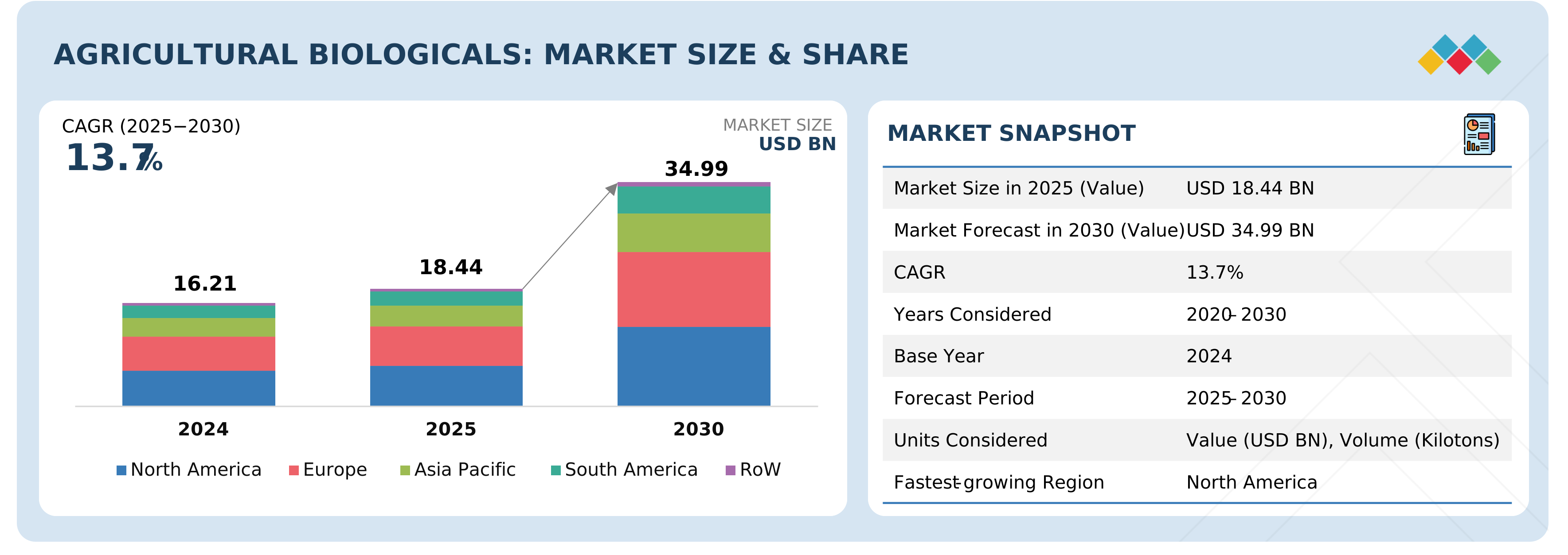
The global agricultural biologicals market is on a powerful growth trajectory. Valued at USD 18.44 billion in 2025, the market is projected to surge to USD 34.99 billion by 2030, registering an impressive CAGR of 13.7%. This growth reflects a major shift in how the world approaches crop cultivation—moving away from chemical-heavy farming practices and embracing sustainable, microbe-driven solutions.
Why Biologicals Are Becoming the Future
In recent years, advancements in biotechnology and microbial research have transformed agricultural biologicals from niche products into reliable, high-efficiency solutions. With better specificity, improved performance, and consistent results, biologicals are now gaining strong acceptance among farmers.
Farmers are increasingly recognizing that long-term productivity relies heavily on soil health. Biological products—such as biofertilizers, biostimulants, and biopesticides—work naturally with the soil ecosystem. They enhance microbial activity, boost soil fertility, and ultimately help crops grow stronger and produce higher yields.
Download PDF Brochure: https://www.marketsandmarkets.com/pdfdownloadNew.asp?id=100393324
Market Insights by Segment
Fruits & Vegetables Lead the Market by Crop Type
The fruits & vegetables segment is expected to hold the largest market share during the forecast period—and for good reason. These crops face intense pressures from pests and diseases, making targeted biological solutions essential.
- Biologicals offer several advantages:
- Effective and selective pest control
- Minimal chemical residues
- Enhanced soil health
- Compatibility with organic and sustainable farming standards
Additionally, the growing consumer preference for organic and residue-free produce is pushing farmers to adopt more biological solutions. Given the high economic value of fruits and vegetables, growers are increasingly investing in reliable biological products to ensure optimum yield and quality.
Seed Treatment to Register the Highest CAGR
Among all application modes, seed treatment is expected to witness the fastest growth in the coming years.
Why seed treatment is rising rapidly:
- Provides early-stage protection against diseases, pests, and environmental stress
- Improves germination and strengthens seedlings
- Reduces dependence on chemical inputs
- Aligns with the rising demand for sustainable, organic farming practices
As farmers strive for cleaner and more efficient production, advanced biological seed treatments are becoming a preferred choice.
Natural Products Hold a Strong Position by Source
The natural products segment is projected to hold the second-largest market share. These products—derived from plants, microorganisms, and animals—play a crucial role in:
- Managing pests and diseases
- Enhancing soil fertility
- Supporting integrated pest management (IPM) systems
The increased consumer demand for residue-free food is fueling the adoption of natural agricultural inputs. Within the agricultural biologicals ecosystem, natural products have become indispensable due to their safety, environmental compatibility, and regulatory acceptance.
Request Sample Pages: https://www.marketsandmarkets.com/requestsampleNew.asp?id=100393324
Asia Pacific Emerging as a High-Growth Region
The Asia Pacific region is poised for significant growth throughout the forecast period. Several factors contribute to this momentum:
- Rising food demand driven by large populations
- Expansive and evolving agricultural landscapes
- Increasing adoption of modern farming technologies such as precision agriculture
- Strong governmental initiatives promoting sustainable farming
- Growing consumer interest in organic and residue-free produce
Countries such as China, India, and nations across Southeast Asia are increasingly turning to agricultural biologicals to improve productivity, enhance soil health, and reduce chemical usage. The region’s dynamic agricultural environment positions it as a major growth engine for the industry.
Key Players Shaping the Agricultural Biologicals Market
Market-leading companies continue to invest in innovation, strategic partnerships, and product expansion. Major players include:
- BASF SE (Germany)
- Syngenta Group (Switzerland)
- Bayer AG (Germany)
- FMC Corporation (US)
- Corteva (US)
- UPL (India)
- Nufarm (Australia)
- Novonesis (Denmark)
- Lallemand Inc. (Canada)
- Mosaic (US)
- Rovensa Next (Spain)
- Sumitomo Chemical Co., Ltd. (Japan)
- SEIPASA, S.A. (Spain)
- Koppert (Netherlands)
- Gowan Company (US)
These companies are at the forefront of developing innovative biological solutions that cater to the global push for sustainable agriculture.