In the era of precision medicine and connected healthcare, biosensors have emerged as one of the most transformative technologies in modern diagnostics. By enabling real-time, accurate, and minimally invasive monitoring, biosensors are helping to shift healthcare from reactive treatment to proactive disease prevention and management. The global biosensors market is now poised for exponential growth, driven by technological advancements, rising healthcare demands, and increased adoption across medical and non-medical sectors alike.
Understanding Biosensors: What Makes Them Essential?
Biosensors are analytical devices that convert a biological response into an electrical signal. They combine a biorecognition element (such as enzymes, antibodies, or nucleic acids) with a transducer and a signal processor to detect chemical substances or physiological parameters. These sensors offer high sensitivity, rapid detection, and can often function in real-time without the need for lab-based infrastructure.
What sets biosensors apart is their versatility. They can be embedded in wearable devices, implantable systems, or even integrated into smartphones and point-of-care platforms, making them suitable for a wide range of applications from glucose monitoring to infectious disease detection.
Real-Time Health Monitoring: The Next Frontier
One of the most promising areas for biosensors market growth is in real-time health monitoring. With the global rise in chronic diseases such as diabetes, cardiovascular disorders, and respiratory illnesses, there is a growing demand for continuous, non-invasive monitoring systems that allow for early detection and timely intervention.
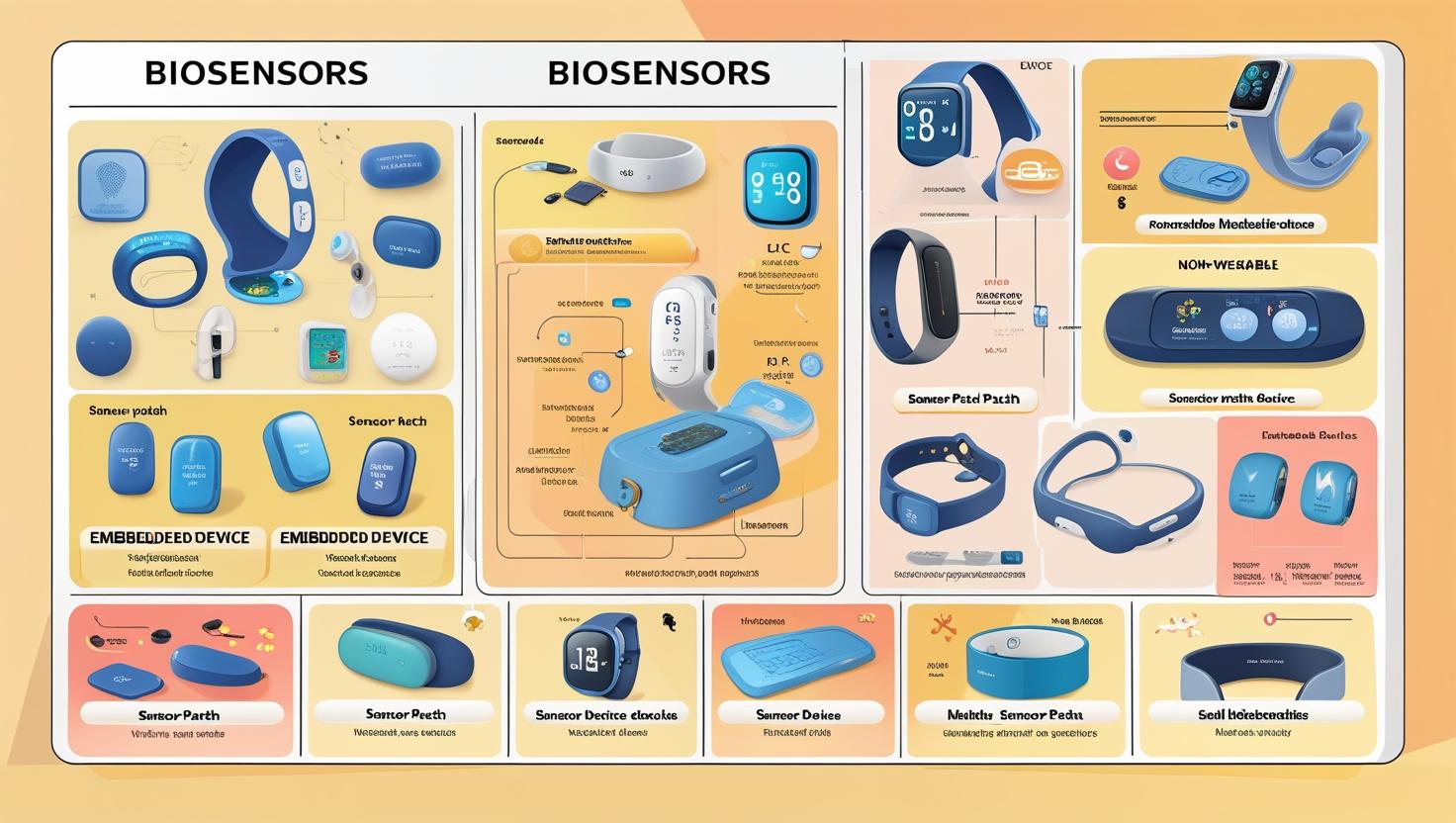
Wearable biosensors, like smartwatches and skin patches, are now capable of tracking heart rate variability, glucose levels, blood oxygen saturation, hydration, and even stress indicators. These data points can be transmitted to cloud-based platforms where they are analyzed using AI and machine learning algorithms to provide actionable insights for both patients and healthcare providers.
The COVID-19 pandemic further accelerated interest in biosensor technology, as the need for remote health monitoring and rapid diagnostics became paramount. This shift has laid the foundation for widespread adoption of biosensors in everyday healthcare management.
Download PDF Brochure @ https://www.marketsandmarkets.com/pdfdownloadNew.asp?id=798
Key Drivers of Market Growth
Several factors are propelling the biosensors market into a new phase of innovation and commercial expansion:
1. Advancements in Nanotechnology and Materials Science:
The development of nanomaterials and biocompatible polymers has enhanced the sensitivity, durability, and miniaturization of biosensors. These innovations are enabling the creation of ultra-thin, flexible sensors for use in wearable and implantable devices.
2. Growing Demand for Personalized Medicine:
As healthcare moves toward personalized approaches, biosensors enable the continuous collection of individual health data, supporting tailored treatments and lifestyle recommendations.
3. Increased Funding and R&D Activities:
Governments, research institutions, and private companies are investing heavily in biosensor research, particularly in the areas of non-invasive diagnostics, cancer detection, and neurodegenerative disease monitoring.
4. Expanding Use Cases Beyond Healthcare:
While medical diagnostics remain the largest segment, biosensors are also gaining traction in food safety, environmental monitoring, agriculture, and biodefense, further expanding the total addressable market.
Market Outlook: Trends and Opportunities
Biosensors Industry worth $54.37 billion by 2030. The growth is strongest in North America and Europe, driven by strong healthcare infrastructure and tech adoption, but Asia-Pacific is emerging rapidly due to rising health awareness, large patient populations, and supportive government policies.
Key trends shaping the market include:
- Integration with IoT and AI for smarter data analytics
- Non-invasive biosensors for glucose, lactate, and electrolyte monitoring
- Lab-on-a-chip technologies for portable, real-time diagnostics
- Disposable biosensors for low-cost and mass-scale health screening
Challenges to Overcome
Despite its promising outlook, the biosensors market faces challenges including regulatory hurdles, data privacy concerns, and sensor calibration accuracy. Ensuring long-term stability, biocompatibility, and real-time connectivity in diverse environments will require ongoing collaboration between biotech, electronics, and software sectors.
Additionally, establishing robust clinical validation and achieving mass-scale affordability — especially in low-resource settings — will be crucial to maximizing the global impact of biosensor technologies.
Conclusion: A Sensor-Driven Future for Healthcare
As digital health continues to reshape the way care is delivered, biosensors are poised to play a central role in transforming diagnostics, treatment, and long-term health monitoring. With the ability to capture critical health data in real time, biosensors empower individuals and clinicians alike to make more informed, proactive healthcare decisions.
The biosensors market is not just a technological trend — it’s a foundational shift toward a more connected, personalized, and preventive healthcare ecosystem. For innovators, investors, and policymakers, the time to engage in this rapidly advancing field is now.
Investor-Focused FAQ – Biosensors Market
1. Why should investors consider the biosensors market?
The biosensors market represents a high-growth opportunity at the intersection of healthcare, technology, and data analytics. With increasing global demand for real-time health monitoring, chronic disease management, and personalized medicine, biosensors are becoming a key enabler in both clinical and consumer health markets. Additionally, the expansion of biosensors into non-healthcare verticals like agriculture, environmental monitoring, and food safety further broadens the total addressable market (TAM).
2. What is the current market size and growth forecast?
The global biosensors market is projected to grow from USD 34.51 billion in 2025 to USD 54.37 billion by 2030, at a CAGR of 9.5%
3. What are the key investment drivers in this market?
Key growth catalysts include:
- Global rise in chronic diseases (e.g., diabetes, cardiovascular conditions)
- Surge in wearable technology and remote health monitoring
- Advancements in nanotechnology, biomaterials, and IoT integration
- Favorable regulatory shifts encouraging telehealth and home diagnostics
Strategic partnerships between health tech startups, medical device firms, and biotech players
4. Which sectors or applications offer the highest return potential?
Currently, the highest return potential lies in:
- Medical diagnostics & wearable biosensors (especially for glucose, cardiac, and respiratory monitoring)
- At-home testing & point-of-care platforms
- Consumer health wearables integrating biosensing for fitness and wellness
- Environmental and food safety monitoring in emerging markets
- Agritech biosensors for precision farming and livestock health
