The global commercial HVAC market is a massive and rapidly evolving sector encompassing the heating, ventilation, and air conditioning systems essential for nonresidential buildings. This market includes a diverse range of equipment such as chillers, rooftop units, heat pumps, air handling units, and variable refrigerant flow systems. It is fundamentally driven by the need to maintain optimal indoor air quality, thermal comfort, and energy efficiency in complex commercial environments. The continuous expansion of urban centers and the relentless push for modern infrastructure development worldwide are key factors propelling the growth trajectory of the entire commercial HVAC market.
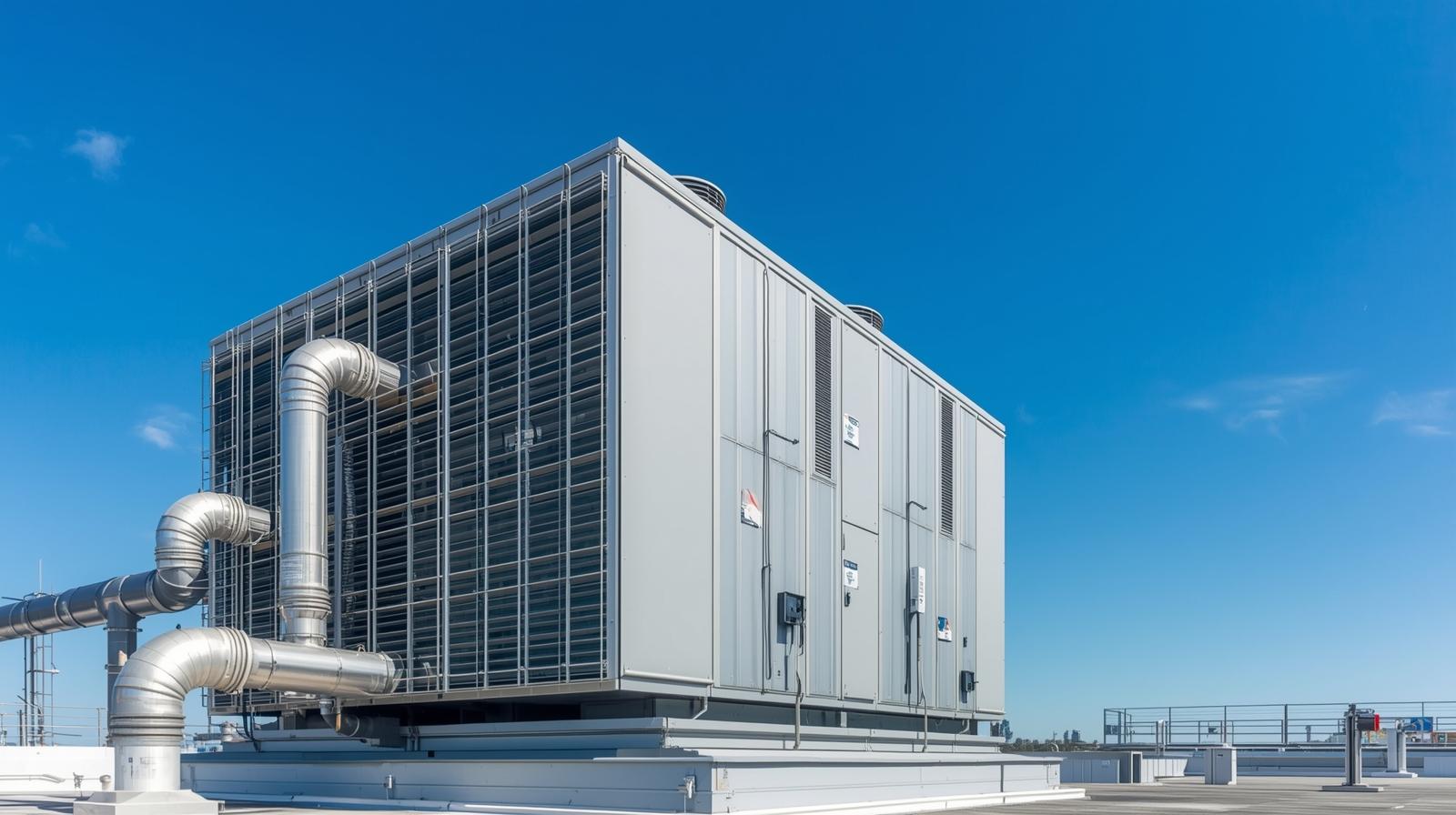
Understanding the Commercial HVAC Market Ecosystem
The term HVAC represents a critical infrastructure for all commercial buildings, including offices, hospitals, retail spaces, data centers, and educational institutions. Unlike residential systems, commercial setups require highly specialized, large capacity, and integrated solutions to manage vast spaces and fluctuating occupancy loads. The sophisticated nature of this technology demands continuous innovation in components and system design to meet increasingly stringent energy consumption standards. Stakeholders across the value chain, from manufacturers to installers and service providers, all play an integral role in shaping the evolution of the commercial HVAC market.
The market value is substantial, with the global commercial HVAC market size valued in the tens of billions of US dollars, and it is projected to grow significantly over the next decade. This growth is consistently fueled by several macroeconomic and regulatory factors impacting construction and operational efficiency. The lifecycle of commercial HVAC equipment is also a significant revenue stream, involving not just new installations but also retrofitting, maintenance, and replacement services. Furthermore, the rising awareness of the direct correlation between indoor environment and occupant productivity highlights the immense importance of effective commercial HVAC systems.
Key Drivers Fueling Commercial HVAC Market Expansion
Several powerful forces are converging to create a robust demand landscape within the commercial HVAC market. The primary driver is undeniably the global surge in commercial real estate development, particularly in emerging economies characterized by rapid urbanization. New construction projects require advanced, high efficiency heating and cooling solutions from the initial design phase. This sustained demand from the hospitality, healthcare, and office sectors is creating significant opportunities for all players in the commercial HVAC market.
The second major driver is the increasing regulatory focus on energy efficiency and sustainability worldwide. Governments are implementing stricter building codes, such as the Energy Conservation Building Code in India or similar mandates across North America and Europe, forcing the adoption of high efficiency systems. These regulations incentivize building owners to replace older, less efficient equipment with modern, sustainable commercial HVAC technologies. This retrofit segment is a rapidly growing area within the larger commercial HVAC market, as existing buildings seek to lower operational costs and reduce their environmental footprint.
Technological Advancements Shaping the Industry
The commercial HVAC market is undergoing a profound technological transformation driven by the integration of smart systems and the Internet of Things or IoT. Modern HVAC units are no longer just machines for heating and cooling; they are intelligent, connected systems that leverage data analytics. This shift allows for unprecedented levels of control, optimization, and predictive maintenance across large commercial portfolios. Innovations like Variable Refrigerant Flow or VRF systems offer superior energy performance and zoning capabilities compared to traditional chiller systems.
The incorporation of Artificial Intelligence or AI and machine learning is further revolutionizing how commercial HVAC operates. AI algorithms can analyze real time data on occupancy, weather patterns, and internal load variations to dynamically adjust system settings. This capability maximizes energy savings, sometimes reducing operating expenses by double digit percentages, while simultaneously ensuring peak thermal comfort. The increasing sophistication of controls and sensors makes the overall commercial HVAC market more dynamic and highly responsive to end user needs.
Segmentation of the Commercial HVAC Market by Equipment Type
The extensive commercial HVAC market can be systematically broken down into distinct equipment categories, each serving specific application requirements and building sizes. Air conditioning equipment, which includes chillers, unitary air conditioners, and VRF systems, constitutes a major revenue share, especially in warmer climates globally. Ventilation equipment, such as air handling units or AHUs, fresh air handling units or FAHUs, and various fans, is critical for maintaining indoor air quality and is gaining heightened attention due to public health concerns.
Heating equipment, encompassing boilers, furnaces, and heat pumps, is essential for maintaining comfort in colder regions and is increasingly shifting towards electric heat pump technology. This transition is motivated by sustainability goals and the desire to reduce reliance on fossil fuels. Within the cooling segment, chillers and rooftop packaged units are the backbone for large scale commercial and industrial operations. The fastest growing segment is the heat pump category, demonstrating its dual functionality and high efficiency as a sustainable solution across the diverse commercial HVAC market.
Download PDF Brochure @ https://www.marketsandmarkets.com/pdfdownloadNew.asp?id=202111288
Application Spectrum Across Various Commercial Sectors
The demand for commercial HVAC market solutions spans a vast array of end use industries, each presenting unique challenges and specialized requirements. The largest application segment is consistently the commercial buildings category, which includes office spaces, retail complexes, and shopping malls. These environments require reliable, zone specific climate control to ensure tenant comfort and preserve the quality of merchandise. The high foot traffic and density of these buildings necessitate robust ventilation and filtration systems.
The healthcare sector, including hospitals, clinics, and laboratories, demands the most stringent control over temperature, humidity, and air filtration for infection control and patient well being. Data centers represent another high growth area, requiring specialized, high density cooling solutions to manage the extreme heat generated by server equipment, making precision cooling a critical need within the commercial HVAC market. The hospitality sector, encompassing hotels and resorts, also drives demand, as guest comfort directly impacts customer satisfaction and revenue, requiring quiet and efficient commercial HVAC systems.
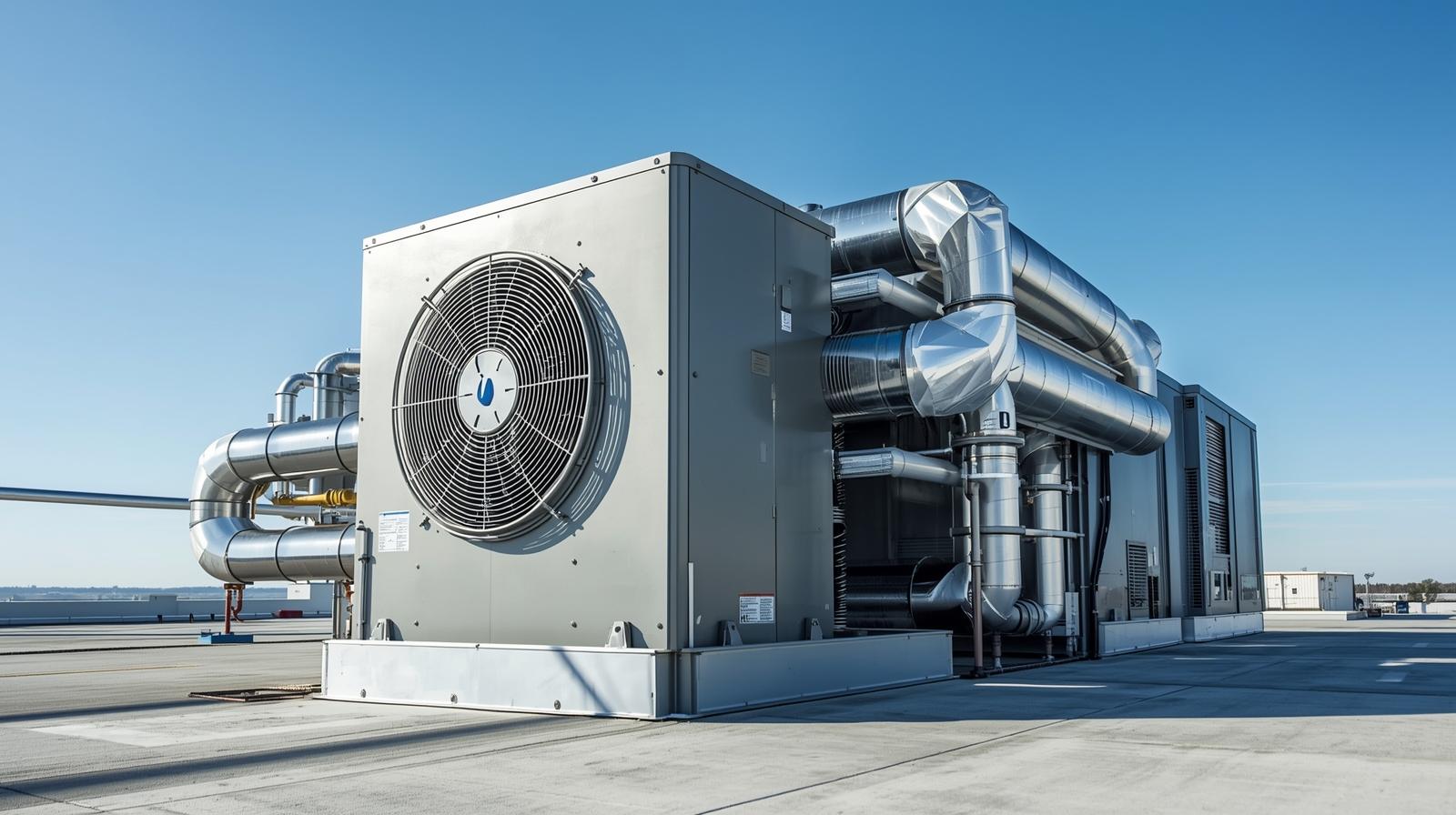
Geographical Analysis of the Commercial HVAC Market
Regionally, the commercial HVAC market exhibits significant variation in size, growth rate, and dominant technologies utilized. The Asia Pacific region stands out as the largest and fastest growing market globally, primarily fueled by rapid urbanization and massive infrastructure investment in countries like China and India. The sheer scale of new construction of commercial and residential towers in this region is unprecedented, generating immense demand for both basic and advanced commercial HVAC systems. Governments in this area are also pushing for the adoption of energy efficient models.
North America and Europe represent mature markets characterized by a high emphasis on replacing aging infrastructure and complying with strict environmental standards. While new construction is stable, the retrofit market is particularly strong here, driven by mandates to reduce carbon emissions and improve building energy performance. These regions are leaders in the adoption of smart commercial HVAC systems, IoT integration, and low Global Warming Potential or GWP refrigerants. Latin America and the Middle East also show significant growth, spurred by economic development, tourism, and expanding commercial sectors.
Market Restraints and Challenges for the Industry
Despite the strong growth momentum, the commercial HVAC market faces several notable restraints and operational challenges. A significant barrier is the high initial investment and installation cost associated with advanced, high efficiency systems, such as VRF and high tonnage chillers. This financial hurdle can often deter smaller businesses or lead developers to opt for less efficient, lower cost alternatives initially. Economic uncertainty and rising interest rates can also slow down large scale commercial construction projects, impacting market demand.
Another pressing concern is the complexity of integrating new smart HVAC systems with existing building management and automation systems in older structures. Technical challenges related to compatibility, data security, and the need for a highly skilled workforce for installation and maintenance are constant challenges. Furthermore, the industry is grappling with the global phase down of high GWP refrigerants, which requires significant research, development, and investment from manufacturers to transition to new, environmentally friendly alternatives across the entire commercial HVAC market product portfolio.
The Role of Indoor Air Quality and Health Standards
A post pandemic world has sharply increased the focus on Indoor Air Quality or IAQ, fundamentally shifting priorities within the commercial HVAC market. Building owners and occupants now place a much higher value on effective ventilation, filtration, and air purification systems to mitigate the spread of airborne pathogens. This renewed emphasis is driving the adoption of high efficiency particulate air or HEPA filters, ultraviolet germicidal irradiation or UVGI technology, and advanced air monitoring systems.
This trend has created a new segment of opportunity within the market, where enhanced IAQ features are becoming a standard expectation rather than a premium upgrade. Commercial HVAC manufacturers are responding by redesigning air handling units to accommodate thicker filters and developing sophisticated control logic to manage outdoor air intake more effectively. The connection between healthy buildings and occupant well being is now a major selling point, propelling the market towards integrated, holistic climate and air quality management solutions.
Competitive Landscape and Key Market Players
The commercial HVAC market is characterized by intense competition among a few large, globally established players and numerous regional specialized manufacturers. Global leaders leverage their extensive distribution networks, brand recognition, and immense research and development capabilities to dominate the market. These companies offer a comprehensive portfolio of products, ranging from unitary systems for light commercial applications to massive industrial chiller plants. Their strategic focus is often centered on digitalization, energy efficiency, and expanding their service offerings.
Key companies like Daikin Industries, Carrier Global Corporation, Johnson Controls, Mitsubishi Electric, and Trane Technologies are at the forefront of innovation. They are constantly engaging in strategic partnerships, mergers, and acquisitions to enhance their technological edge, particularly in the smart building technology space. Smaller, regional players often compete effectively by offering localized solutions, rapid service, and cost effective equipment tailored to specific regional climatic and regulatory requirements within the broader commercial HVAC market.
Opportunities for Future Growth and Innovation
The future outlook for the commercial HVAC market remains exceptionally positive, anchored by several powerful trends that promise sustained expansion and technological breakthrough. The most significant opportunity lies in the continued growth of the smart and connected buildings movement. As data centers and smart cities proliferate, the demand for highly efficient, automated, and remotely managed HVAC systems will only increase exponentially. The integration of sensors and controls into every component is creating a massive data pool for optimization.
Another major opportunity is the ongoing trend of retrofitting aging commercial buildings with modern, sustainable HVAC systems. Tax incentives, government rebates, and the substantial long term operational savings provided by high efficiency units will drive this market segment for decades. The focus on low GWP refrigerants presents a massive product overhaul cycle, creating opportunities for manufacturers who pioneer the next generation of eco friendly and energy efficient commercial HVAC equipment. The commercial HVAC market is poised for growth driven by sustainability and intelligence.
The Impact of Decarbonization and Heat Pumps
The global movement toward decarbonization is having a transformative effect on the commercial HVAC market, particularly in regions with ambitious net zero emissions targets. This push is strongly favoring electric heating and cooling solutions, most notably highly efficient commercial heat pumps. Heat pumps offer the dual advantage of providing both heating and cooling from a single, electric powered system, significantly reducing reliance on natural gas and other fossil fuels for building climate control.
As building energy codes tighten, the thermal performance requirements for buildings will become stricter, making high performance heat pumps an increasingly attractive and often mandatory solution for both new construction and major retrofits. This fundamental shift away from traditional boilers and furnaces represents a paradigm change in the commercial HVAC market. Manufacturers are heavily investing in research and development to enhance heat pump performance in very cold climates and to scale up their capacity for large commercial buildings.
Enhancing Building Performance through Integrated Systems
Modern building performance is increasingly defined by the seamless integration of the commercial HVAC market system with other building technologies. This integrated approach encompasses lighting, security, fire safety, and overall building automation and management systems or BAMS. When all these systems communicate effectively, they can optimize the entire building’s energy consumption and operational efficiency as a single intelligent entity. This is the core of true smart building technology.
For example, occupancy sensors linked to the security system can inform the commercial HVAC system to scale back or shut down air conditioning and ventilation in unoccupied zones, leading to substantial energy savings. This level of granular control is not possible with standalone systems. The trend toward open protocol systems and standardized communication platforms like BACnet is facilitating this deep integration, making the overall commercial HVAC market more connected and more functional for building owners and facility managers.
The Evolving Landscape of Commercial HVAC Service and Maintenance
As commercial HVAC systems become more complex and technologically advanced, the service and maintenance sector within the commercial HVAC market is also rapidly evolving. The shift towards smart, connected systems enables the adoption of predictive maintenance models instead of traditional reactive or scheduled maintenance. IoT sensors and cloud based analytics can monitor the operational health of equipment in real time, detecting anomalies and predicting potential component failures before they occur.
This proactive approach significantly reduces downtime for commercial operations, minimizes costly emergency repairs, and extends the lifespan of expensive equipment. Service providers are increasingly offering subscription based maintenance contracts that include remote monitoring and guaranteed performance metrics, aligning their incentives with the building owners’ need for efficiency. The service component is becoming a highly specialized and high value part of the entire commercial HVAC market ecosystem.
Key Factors for Selecting a Commercial HVAC System
Choosing the right system within the vast commercial HVAC market involves a complex assessment of several critical factors beyond just initial capital cost. Energy efficiency ratings, such as Seasonal Energy Efficiency Ratio or SEER and Integrated Part Load Value or IPLV, are paramount for estimating long term operating expenses. The specific application of the building, whether it is a hospital, a data center, or a retail outlet, dictates the required capacity and level of precision control necessary.
Furthermore, factors like the noise level of the equipment, especially for spaces like libraries or offices, and the availability of local service and parts are crucial for long term viability. The choice of refrigerant and its environmental impact must also be considered to ensure compliance with current and future regulations. Building owners must perform a thorough lifecycle cost analysis that factors in initial cost, energy consumption, and projected maintenance to make a truly informed decision within the highly competitive commercial HVAC market.
The Global Push for Sustainable Refrigerants
A pivotal shift impacting all manufacturers in the commercial HVAC market is the mandatory phase down of hydrofluorocarbon or HFC refrigerants, which have a high Global Warming Potential or GWP. International agreements like the Kigali Amendment mandate a global reduction in HFC consumption, forcing the industry to rapidly transition to new, low GWP alternatives. This includes refrigerants like R-32, R-454B, and natural refrigerants like R-290 and carbon dioxide or R-744.
This transition requires significant redesign and retooling of manufacturing processes and equipment to safely utilize the new substances, some of which are mildly flammable. This regulatory driven change is creating a massive market for next generation equipment that meets the new environmental performance criteria. Companies that can quickly and reliably supply these sustainable solutions will gain a substantial competitive advantage in the future commercial HVAC market. This is a global issue requiring coordinated industry effort.
Conclusion on the Future of the Commercial HVAC Market
The commercial HVAC market stands at a crucial inflection point, transitioning from a mechanical industry focused simply on temperature control to a high technology sector centered on smart energy management and optimal indoor environments. Driven by global construction booms, strict energy efficiency mandates, and a heightened public awareness of indoor air quality, the market is poised for robust and sustained growth well into the next decade. The successful players will be those who embrace the integration of AI, IoT, and sustainable, low GWP refrigerants.
This evolution is fundamentally changing the definition of a high performance commercial building, where the HVAC system is a core element of the structure’s intelligence and operational value. For investors, developers, and facility managers, understanding these complex dynamics and choosing future proof technology is essential for long term profitability and regulatory compliance. The future commercial HVAC market will be defined by innovation that delivers efficiency, comfort, and environmental responsibility in equal measure.
Frequently Asked Questions (FAQs)
What is the primary factor driving growth in the commercial HVAC market?
The primary factor driving growth is the rapid urbanization and expansion of commercial real estate globally, particularly in developing regions, which necessitates the installation of new, large capacity HVAC systems. This construction boom is foundational for the overall commercial HVAC market expansion.
How does the Internet of Things (IoT) affect commercial HVAC systems?
IoT integration allows commercial HVAC systems to become “smart,” enabling real time monitoring, remote diagnostics, and predictive maintenance. This dramatically improves energy efficiency and reduces unexpected downtime for commercial properties across the world.
What is the largest segment by equipment type in the commercial HVAC market?
The largest segment by equipment type is air conditioning equipment, which includes chillers, unitary systems, and VRF systems, primarily due to the global need for cooling in commercial and institutional buildings. Cooling demand dominates a substantial part of the commercial HVAC market revenue.
Why is indoor air quality (IAQ) becoming increasingly important for commercial HVAC?
Indoor air quality is paramount due to heightened public health awareness and the need to mitigate airborne pathogens, especially following global health crises. Commercial HVAC systems must now incorporate advanced filtration and ventilation for occupant well being and safety.
Which region currently holds the largest share of the commercial HVAC market?
The Asia Pacific region currently holds the largest market share, driven by large scale infrastructure investments, rapid population growth, and extensive commercial construction activity across several key nations. This region is also the fastest growing segment within the commercial HVAC market.
What is the biggest restraint to the growth of the commercial HVAC market?
The biggest restraint is the high initial investment cost required for advanced, energy efficient commercial HVAC systems, which can be prohibitive for smaller projects or in economically sensitive environments. Initial cost remains a key barrier to widespread adoption of premium commercial HVAC solutions.
How is the push for decarbonization influencing the commercial HVAC market? Decarbonization efforts are significantly accelerating the adoption of electric heat pumps for both heating and cooling in commercial buildings, moving away from systems that rely on fossil fuels. This technological shift is essential for meeting global climate targets and transforming the commercial HVAC market.
See The Latest Semiconductor Reports:
Silicon Carbide Market Size, Share & Analysis : https://www.marketsandmarkets.com/Market-Reports/silicon-carbide-electronics-market-439.html
Microdisplay Market Size, Share & Trends : https://www.marketsandmarkets.com/Market-Reports/micro-displays-market-430.html
Warehouse Management System (WMS) Market Size, Share & Trends : https://www.marketsandmarkets.com/Market-Reports/warehouse-management-system-market-41614951.html
AI Inference Platform-as-a-Service (PaaS) Market Size, Share & Trends : https://www.marketsandmarkets.com/Market-Reports/ai-inference-platform-as-a-service-paas-market-102780827.html
Access Control Market Size, Share & Trends: https://www.marketsandmarkets.com/Market-Reports/access-control-market-164562182.html