The Fused Deposition Modelling (FDM) 3D Printing Market has emerged as a cornerstone of the additive manufacturing industry, revolutionizing how products are designed, prototyped, and produced across various sectors. This technology, known for its affordability, versatility, and ease of use, has gained significant traction in industries ranging from aerospace to healthcare. As businesses and individuals increasingly adopt FDM 3D printing, the market is poised for substantial growth, driven by technological advancements, expanding applications, and a growing emphasis on sustainable manufacturing. This article delves into the intricacies of the Fused Deposition Modelling (FDM) 3D Printing Market, exploring its current landscape, key drivers, challenges, and future potential.
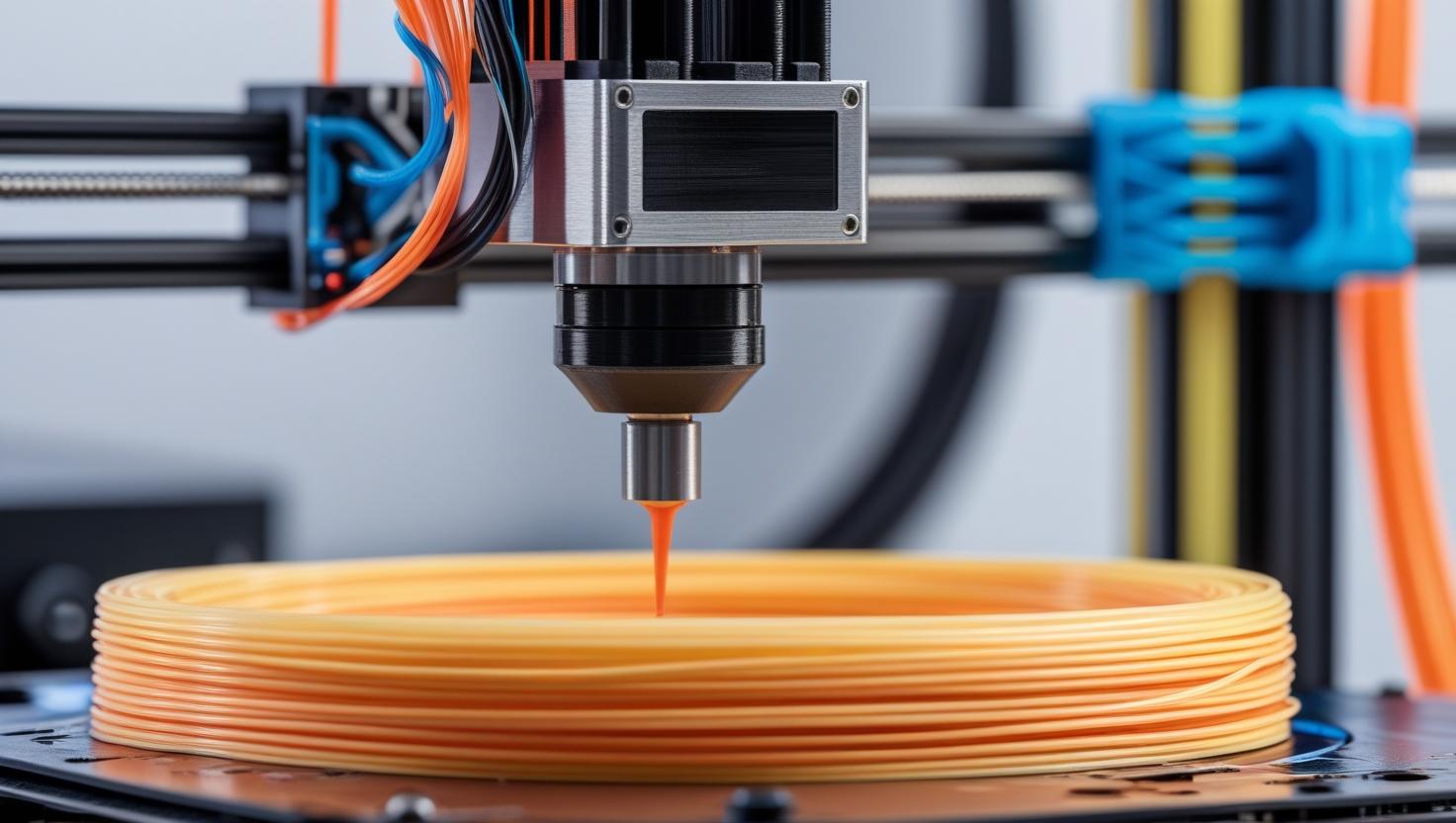
Understanding the Fundamentals of Fused Deposition Modelling (FDM) 3D Printing Technology
Fused Deposition Modelling, also referred to as Fused Filament Fabrication (FFF), is an extrusion-based additive manufacturing process that builds objects layer by layer using thermoplastic filaments. The process involves feeding a continuous filament of material, such as ABS or PLA, through a heated nozzle, where it is melted and deposited onto a build platform. As the material cools, it solidifies, forming a strong bond with the previous layer. This layer-by-layer approach allows for the creation of complex geometries with minimal waste, making FDM a preferred choice for rapid prototyping and low-volume production. The simplicity and cost-effectiveness of this technology have significantly contributed to the growth of the Fused Deposition Modelling (FDM) 3D Printing Market, attracting both industrial users and hobbyists.
The technology’s accessibility is further enhanced by the availability of desktop FDM printers, which have democratized 3D printing for small businesses, educational institutions, and individual makers. Industrial-grade FDM systems, on the other hand, offer higher precision and the ability to work with advanced materials, catering to demanding applications in sectors like automotive and aerospace. The versatility of FDM, combined with its ability to produce functional parts, has positioned it as a leading technology within the broader additive manufacturing ecosystem, driving the expansion of the Fused Deposition Modelling (FDM) 3D Printing Market.
Key Drivers Fueling the Growth of the Fused Deposition Modelling (FDM) 3D Printing Market
Several factors are propelling the Fused Deposition Modelling (FDM) 3D Printing Market forward, creating a fertile environment for innovation and adoption. One of the primary drivers is the increasing demand for rapid prototyping across industries. FDM’s ability to quickly produce prototypes allows companies to iterate designs faster, reducing time-to-market and development costs. This is particularly valuable in sectors like automotive and consumer goods, where speed and efficiency are critical. The affordability of FDM printers and materials further amplifies this demand, enabling even small enterprises to leverage the technology.
Another significant driver is the expanding range of materials compatible with FDM 3D printing. While traditional materials like ABS and PLA remain popular, advancements in filament technology have introduced high-performance polymers such as PEEK, ULTEM, and carbon fiber-reinforced composites. These materials offer enhanced mechanical, thermal, and chemical properties, making FDM suitable for end-use parts in industries like aerospace and medical. The growing availability of such materials is a key factor boosting the Fused Deposition Modelling (FDM) 3D Printing Market, as it broadens the technology’s application scope.
The push for sustainable manufacturing practices is also contributing to market growth. FDM generates minimal waste compared to traditional subtractive manufacturing methods, aligning with global sustainability goals. Additionally, the use of biodegradable materials like PLA and the potential to recycle thermoplastics enhance the environmental appeal of FDM. As industries prioritize eco-friendly solutions, the Fused Deposition Modelling (FDM) 3D Printing Market is well-positioned to capitalize on this trend, further driving its adoption.
Diverse Applications Transforming Industries through Fused Deposition Modelling (FDM) 3D Printing
The versatility of FDM 3D printing has led to its adoption across a wide array of industries, each leveraging the technology to address unique challenges and opportunities. In the aerospace sector, FDM is used to produce lightweight, durable components, such as interior cabin parts and tooling fixtures. The ability to create complex geometries without the need for expensive molds makes FDM an attractive option for aerospace manufacturers, contributing to the growth of the Fused Deposition Modelling (FDM) 3D Printing Market.
In the automotive industry, FDM is employed for rapid prototyping, custom tooling, and even low-volume production of spare parts. The technology allows manufacturers to test designs quickly and produce parts on-demand, reducing inventory costs and improving supply chain efficiency. Similarly, the medical sector has embraced FDM for applications like custom prosthetics, surgical guides, and anatomical models. The biocompatibility of certain FDM materials, such as PLA, has opened new possibilities in personalized healthcare, further expanding the Fused Deposition Modelling (FDM) 3D Printing Market.
The consumer goods industry also benefits from FDM’s ability to produce customized products, such as toys, household items, and fashion accessories. The technology’s low cost and flexibility enable small businesses and entrepreneurs to bring unique designs to market without significant upfront investment. Additionally, FDM’s role in education and research cannot be overlooked, as institutions use desktop printers to teach students about design, engineering, and manufacturing. These diverse applications underscore the transformative impact of the Fused Deposition Modelling (FDM) 3D Printing Market across multiple sectors.
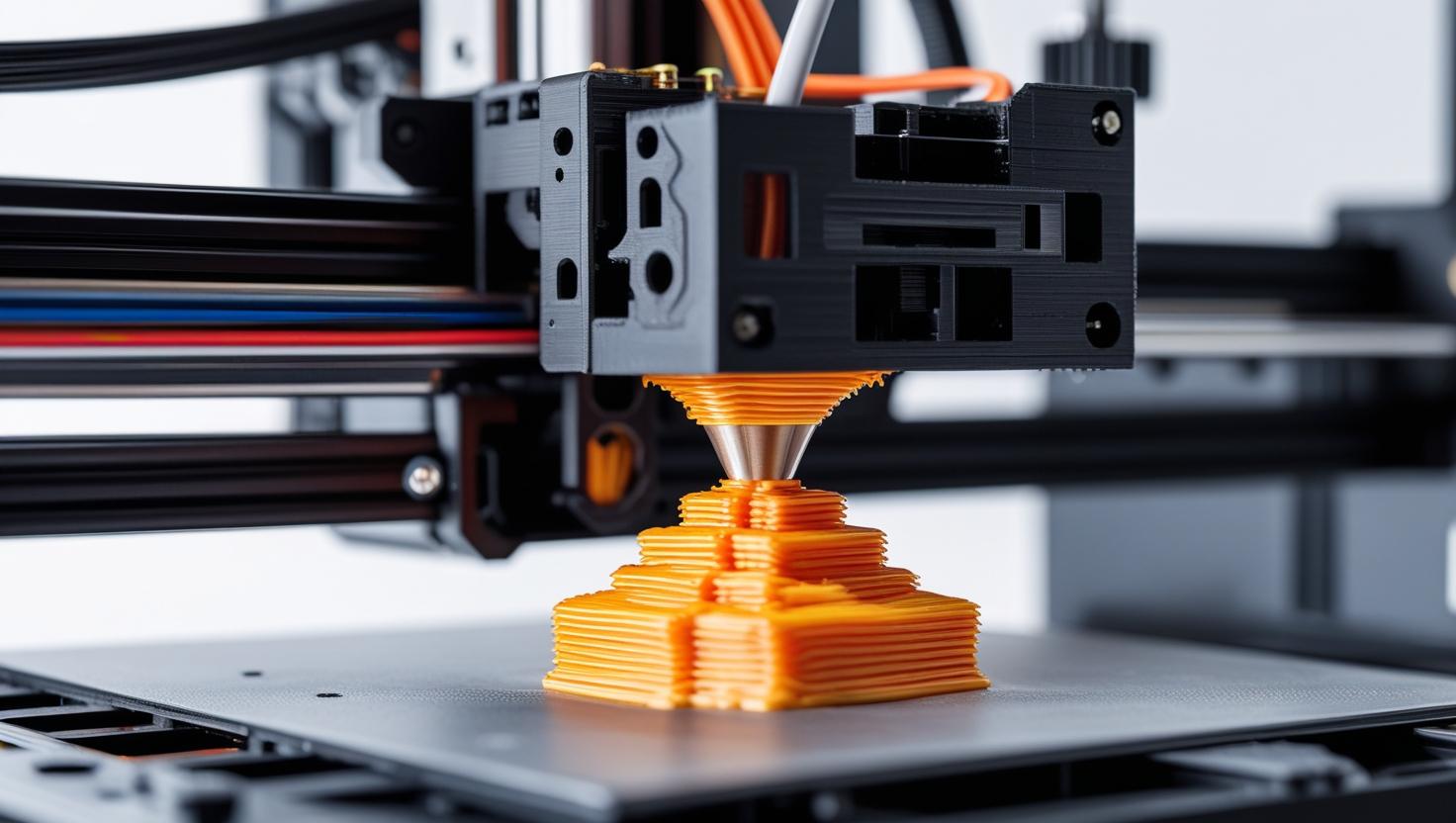
Technological Advancements Shaping the Future of the Fused Deposition Modelling (FDM) 3D Printing Market
The Fused Deposition Modelling (FDM) 3D Printing Market is experiencing rapid technological advancements that are enhancing the capabilities and appeal of the technology. One notable development is the improvement in printer precision and speed. Modern FDM printers offer higher resolution and faster build times, making them competitive with other additive manufacturing technologies like SLA and SLS. These improvements are critical for industrial applications, where accuracy and efficiency are paramount.
Software advancements are also playing a pivotal role in the market’s evolution. Slicing software, which converts 3D models into printer-readable instructions, has become more intuitive and powerful. Features like non-planar printing and AI-driven optimization are minimizing common issues such as the ladder effect and reducing the need for support structures. These software innovations enhance the quality of FDM parts, making the technology more appealing to a broader audience and driving growth in the Fused Deposition Modelling (FDM) 3D Printing Market.
Another exciting trend is the integration of FDM with other technologies, such as AI and IoT. In-print monitoring systems, for instance, use AI to detect print failures in real-time, improving reliability and reducing material waste. IoT-enabled printers allow for remote monitoring and control, streamlining workflows in industrial settings. These advancements are not only improving the performance of FDM systems but also expanding their potential applications, further fueling the Fused Deposition Modelling (FDM) 3D Printing Market.
Challenges and Limitations Impacting the Fused Deposition Modelling (FDM) 3D Printing Market
Despite its many advantages, the Fused Deposition Modelling (FDM) 3D Printing Market faces several challenges that could hinder its growth. One of the primary limitations is the technology’s lower dimensional accuracy and resolution compared to other 3D printing methods like SLA or SLS. FDM parts often exhibit a wavy surface finish due to the layer-by-layer deposition process, which may require post-processing to achieve the desired quality. This can be a drawback for applications requiring intricate details or smooth surfaces.
Another challenge is the mechanical properties of FDM-printed parts. While advancements in materials have improved strength and durability, FDM parts generally exhibit lower mechanical performance compared to those produced by traditional methods like injection molding. This limitation restricts the technology’s use in high-stress applications, posing a challenge for the Fused Deposition Modelling (FDM) 3D Printing Market.
Health and environmental concerns related to FDM printing also warrant attention. The process can emit nanoparticles and volatile organic compounds (VOCs), which may pose health risks if not properly managed. Additionally, the reliance on petroleum-based filaments like ABS raises sustainability concerns, despite the availability of biodegradable options like PLA. Addressing these challenges through improved materials, better ventilation systems, and stricter regulations will be crucial for the long-term success of the Fused Deposition Modelling (FDM) 3D Printing Market.
Regional Insights and Market Dynamics in the Fused Deposition Modelling (FDM) 3D Printing Market
The Fused Deposition Modelling (FDM) 3D Printing Market exhibits varying dynamics across different regions, influenced by factors such as industrial activity, technological adoption, and economic conditions. North America holds a significant share of the market, driven by the presence of key players like Stratasys and a strong focus on innovation in industries like aerospace and healthcare. The region’s robust R&D infrastructure and early adoption of additive manufacturing technologies have positioned it as a leader in the Fused Deposition Modelling (FDM) 3D Printing Market.
Europe is another prominent market, with countries like Germany and the UK leading in automotive and industrial applications of FDM. The region’s emphasis on sustainability and advanced manufacturing aligns well with the benefits of FDM, driving its adoption. Meanwhile, the Asia-Pacific region is witnessing rapid growth, fueled by increasing industrialization, government support for 3D printing, and a burgeoning consumer electronics sector. Countries like China and Japan are investing heavily in additive manufacturing, contributing to the expansion of the Fused Deposition Modelling (FDM) 3D Printing Market.
Emerging markets in Latin America and the Middle East are also showing promise, as small businesses and educational institutions adopt affordable FDM printers. However, challenges like limited access to advanced materials and technical expertise may slow growth in these regions. Understanding these regional dynamics is essential for stakeholders looking to capitalize on opportunities in the Fused Deposition Modelling (FDM) 3D Printing Market.
Competitive Landscape and Key Players in the Fused Deposition Modelling (FDM) 3D Printing Market
The Fused Deposition Modelling (FDM) 3D Printing Market is highly competitive, with several established players and new entrants vying for market share. Stratasys, a pioneer in FDM technology, remains a dominant force, offering a wide range of industrial and desktop printers. The company’s focus on material innovation and software solutions has strengthened its position in the market. Other key players include Markforged, known for its carbon fiber-reinforced FDM printers, and Ultimaker, a leader in the desktop 3D printing segment.
Emerging companies like Prusa Research and Creality are gaining traction in the consumer and hobbyist markets, offering affordable yet reliable FDM printers. These companies are driving innovation by introducing features like dual extrusion and open-source designs, making FDM more accessible. Collaborations and partnerships are also shaping the competitive landscape, as companies work together to develop new materials and applications. The dynamic nature of the Fused Deposition Modelling (FDM) 3D Printing Market ensures a steady stream of innovation, benefiting end-users across industries.
Future Trends and Opportunities in the Fused Deposition Modelling (FDM) 3D Printing Market
The future of the Fused Deposition Modelling (FDM) 3D Printing Market looks promising, with several trends poised to shape its trajectory. One key trend is the rise of 4D printing, an extension of FDM that uses smart materials capable of changing shape or properties in response to external stimuli like heat or moisture. This technology has potential applications in fields like biomedical engineering and soft robotics, opening new avenues for growth in the Fused Deposition Modelling (FDM) 3D Printing Market.
Another trend is the increasing adoption of FDM in mass customization. As consumer demand for personalized products grows, FDM’s ability to produce small batches of customized items at low cost makes it an ideal solution. Industries like fashion, jewelry, and consumer electronics are already exploring this potential, creating new opportunities for the Fused Deposition Modelling (FDM) 3D Printing Market.
The integration of FDM with digital manufacturing ecosystems is also a significant development. By combining FDM with technologies like digital twins and cloud-based platforms, manufacturers can streamline production processes and enhance supply chain resilience. These advancements are expected to drive the adoption of FDM in large-scale manufacturing, further expanding the Fused Deposition Modelling (FDM) 3D Printing Market.
The Path Ahead for the Fused Deposition Modelling (FDM) 3D Printing Market
The Fused Deposition Modelling (FDM) 3D Printing Market is at a pivotal juncture, with its affordability, versatility, and growing applications positioning it for sustained growth. While challenges like dimensional accuracy and material limitations persist, ongoing innovations in printers, materials, and software are addressing these issues, paving the way for broader adoption. As industries continue to embrace additive manufacturing, FDM’s role in driving efficiency, sustainability, and customization will only become more pronounced. Stakeholders in the Fused Deposition Modelling (FDM) 3D Printing Market, from manufacturers to end-users, have a unique opportunity to shape the future of this transformative technology, unlocking its full potential across diverse sectors.
FAQs: Fused Deposition Modelling (FDM) 3D Printing Market
What is the Fused Deposition Modelling (FDM) 3D Printing Market?
The Fused Deposition Modelling (FDM) 3D Printing Market refers to the global industry surrounding the use of FDM, an additive manufacturing technology that builds objects layer by layer using thermoplastic filaments. It encompasses printers, materials, software, and services used across various sectors.
What are the key applications of FDM 3D printing?
FDM 3D printing is used for rapid prototyping, custom tooling, end-use parts, and personalized products in industries like aerospace, automotive, medical, and consumer goods. Its versatility makes it suitable for both industrial and consumer applications.
What drives the growth of the Fused Deposition Modelling (FDM) 3D Printing Market?
The market is driven by the demand for rapid prototyping, the availability of advanced materials, and the push for sustainable manufacturing. Technological advancements and the affordability of FDM printers also contribute significantly to growth.
What challenges does the Fused Deposition Modelling (FDM) 3D Printing Market face?
Challenges include lower dimensional accuracy compared to other 3D printing technologies, limited mechanical properties of printed parts, and health concerns related to nanoparticle emissions during printing.
Which regions are leading in the Fused Deposition Modelling (FDM) 3D Printing Market?
North America and Europe are leading markets due to strong industrial bases and innovation. The Asia-Pacific region is experiencing rapid growth, driven by industrialization and government support for additive manufacturing.
What is the future outlook for the Fused Deposition Modelling (FDM) 3D Printing Market?
The market is expected to grow with advancements in 4D printing, mass customization, and integration with digital manufacturing. Continued innovation in materials and software will further expand its applications and market potential.
