Haptic technology, often associated with consumer electronics and wearables, is making significant strides in robotics and industrial automation. By enabling machines to replicate the sense of touch, haptics is bridging the gap between humans and machines, making automation more intuitive, precise, and adaptive. As industries embrace Industry 4.0, the integration of haptic feedback is transforming how robots operate, how workers interact with machines, and how manufacturing processes evolve.
Download PDF Brochure @ https://www.marketsandmarkets.com/pdfdownloadNew.asp?id=443
Enhancing Human–Machine Collaboration
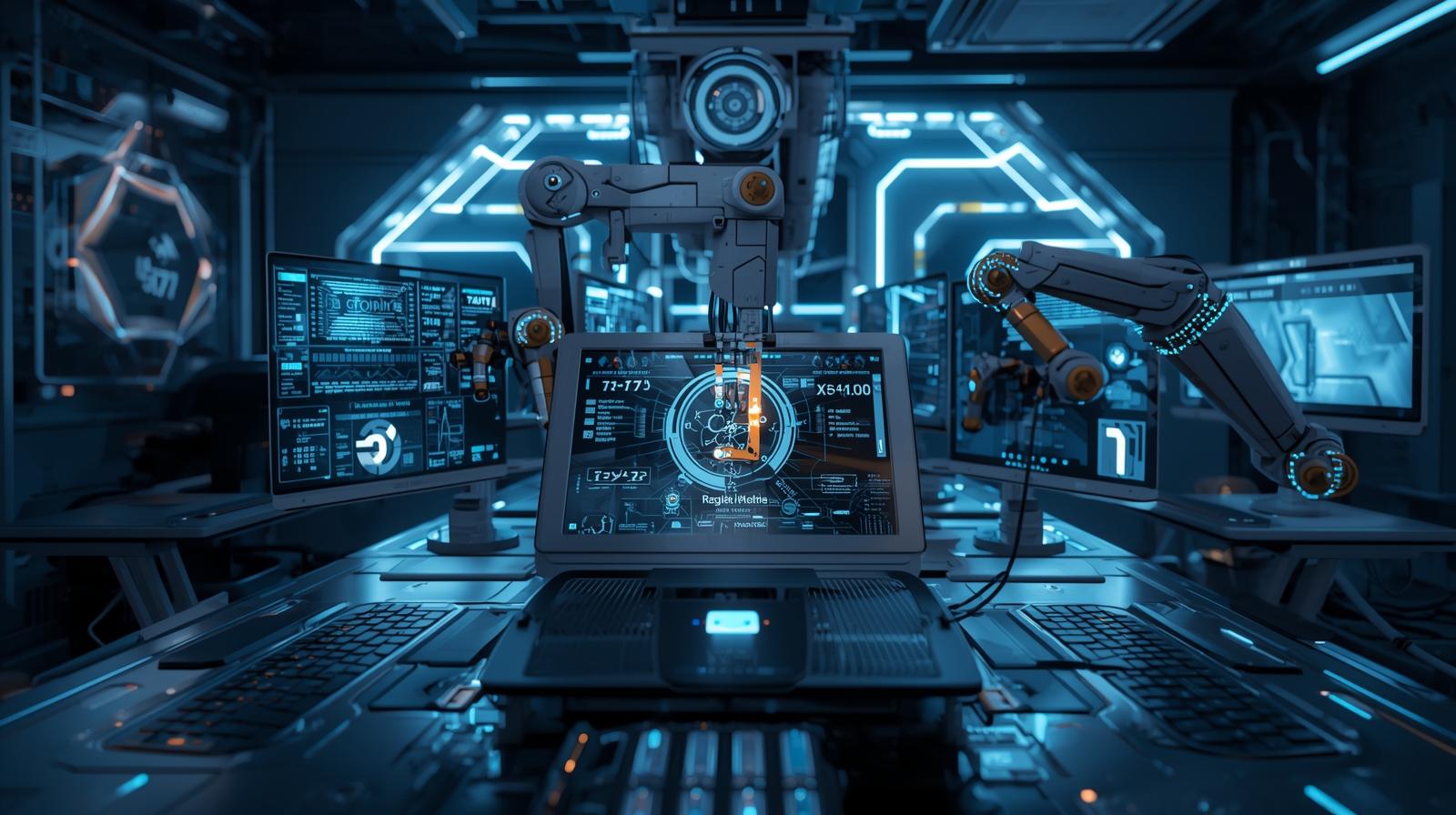
One of the key trends in robotics is the rise of collaborative robots, or cobots, designed to work safely alongside humans. Haptic technology plays a crucial role by allowing cobots to sense pressure, texture, and force, enabling them to perform delicate tasks without causing damage. Workers, in turn, can receive tactile feedback when operating robots remotely, creating a safer and more efficient work environment. This trend is vital in industries like automotive, electronics, and precision engineering.
Revolutionizing Remote Operations and Telepresence
Haptic technology is reshaping remote-controlled robotics, particularly in hazardous or inaccessible environments. With tactile feedback integrated into robotic arms and controllers, operators can “feel” resistance, texture, or force from a distance. This is increasingly used in industries such as oil and gas, nuclear power, space exploration, and underwater robotics, where safety and accuracy are paramount. The ability to replicate the human sense of touch remotely is unlocking new levels of control and reducing risks for workers.
Driving Precision in Industrial Automation
In manufacturing and assembly lines, precision is critical. Haptic-enabled robots are being developed to handle fragile materials, assemble miniature components, or conduct high-accuracy quality inspections. Tactile sensing allows robots to adapt to variations in materials or products in real time, reducing defects and improving efficiency. This trend is especially relevant in industries like semiconductor manufacturing, medical device production, and aerospace engineering, where tolerances are extremely tight.
Training and Simulation in Industrial Environments
Haptic feedback is also being leveraged in industrial training and simulation platforms. Workers can practice operating robotic systems with realistic tactile sensations, preparing them for real-world tasks without the risks or costs of live training. These immersive training solutions are particularly valuable in welding, heavy machinery operation, and complex assembly processes, helping companies build skilled workforces more effectively.
Integration with AI and Smart Robotics
The convergence of haptics with artificial intelligence (AI) is accelerating advancements in smart robotics. AI-powered robots equipped with haptic sensors can learn from tactile feedback, improving their ability to manipulate objects, adapt to new tasks, and collaborate with humans. Combined with IoT connectivity, this enables predictive maintenance, real-time monitoring, and advanced automation workflows that reduce downtime and increase productivity.
Overcoming Challenges and Unlocking Opportunities
Despite its promise, the adoption of haptic technology in robotics and industrial automation faces challenges such as high implementation costs, integration complexity, and the need for robust energy-efficient actuators. However, ongoing innovation in miniaturized sensors, low-power designs, and scalable solutions is driving wider adoption. As industries prioritize safety, efficiency, and precision, the market for haptic-enabled robotics is expected to expand significantly in the coming years.
