Power electronics in electric vehicles plays a pivotal role in transforming electrical energy to drive motors efficiently. This technology manages the flow of electricity from the battery to various systems, ensuring optimal performance. By converting DC to AC and regulating voltage levels, it enables smooth acceleration and regenerative braking. As electric vehicles gain popularity, understanding power electronics becomes essential for engineers and enthusiasts alike. The integration of advanced semiconductors has made these systems more compact and reliable. Overall, power electronics in electric vehicles is key to achieving longer ranges and faster charging times.
In the realm of sustainable transportation, power electronics in electric vehicles facilitates the shift from fossil fuels to clean energy. Components like inverters and converters handle high power densities with minimal losses. This efficiency directly impacts the vehicle’s energy consumption and environmental footprint. Manufacturers are investing heavily in research to improve these systems for mass adoption. With global regulations pushing for lower emissions, power electronics in electric vehicles stands at the forefront of innovation. It not only powers the drivetrain but also supports auxiliary functions like climate control.
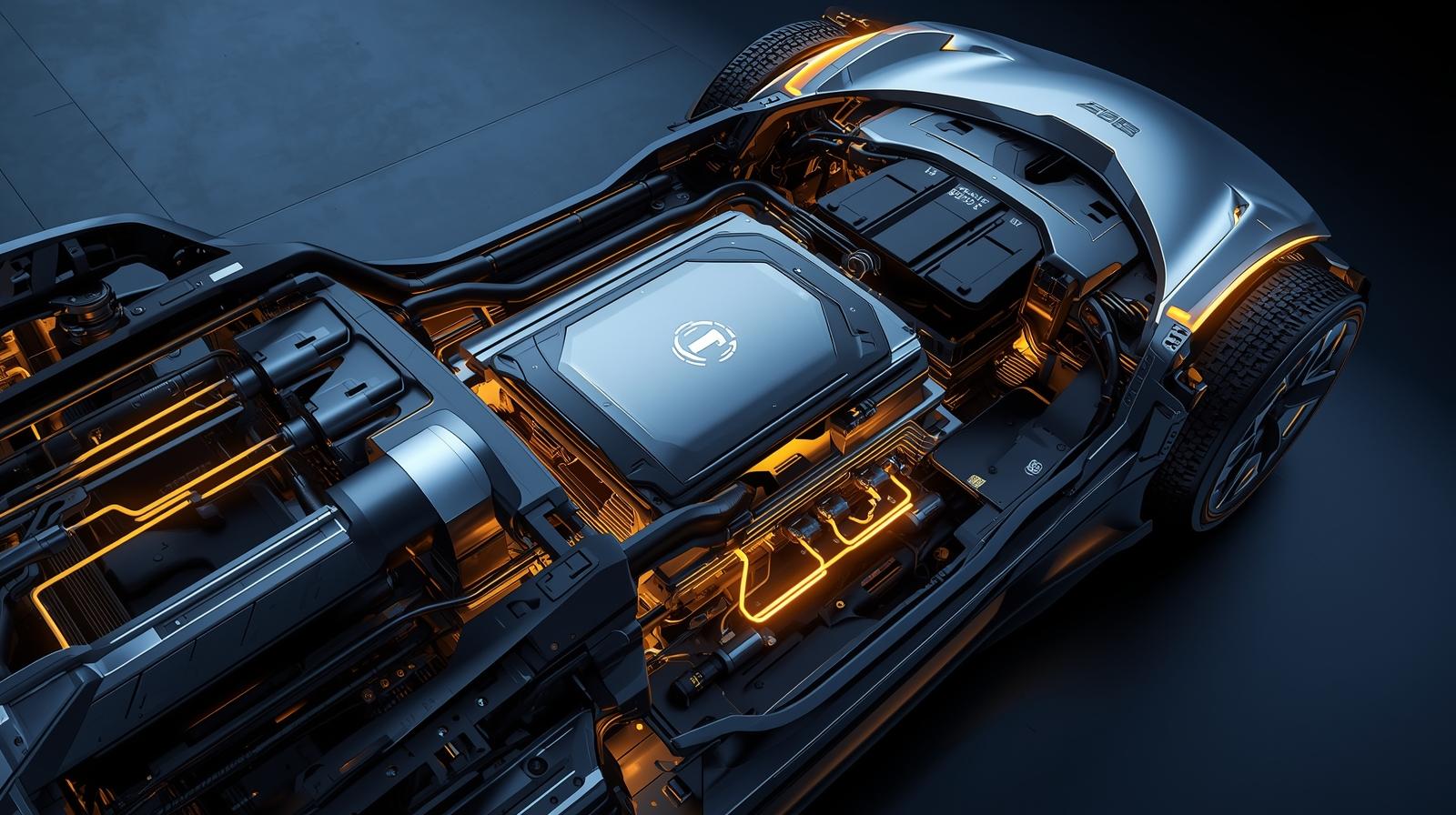
Key Components in EV Power Electronics
Inverters are central to power electronics in electric vehicles, converting DC from the battery to AC for the motor. They use pulse-width modulation to control waveform and frequency accurately. This allows for variable speed drives that enhance driving experience. High-efficiency inverters reduce energy losses, extending the vehicle’s range. Modern designs incorporate integrated cooling systems to manage heat effectively.
DC-DC converters step up or down voltage levels as required by different subsystems. In electric vehicles, they power low-voltage accessories from the high-voltage battery. Buck and boost topologies are commonly employed for this purpose. Power electronics in electric vehicles relies on these converters for stable operation across varying loads. Isolation features in some converters add safety by preventing electrical faults.
On-board chargers form another vital part, enabling AC to DC conversion for battery replenishment. They support different charging standards, from home outlets to fast DC stations. Efficiency in these chargers minimizes charging time and grid impact. Power electronics in electric vehicles integrates bidirectional capabilities in some models for vehicle-to-grid applications. This versatility opens up new possibilities for energy management.
Role of Semiconductors in Power Electronics
Semiconductors like IGBTs and MOSFETs are the heart of power electronics in electric vehicles. They switch rapidly to control power flow with low losses. Silicon-based devices have been standard, but wide-bandgap materials are emerging. These offer higher temperature tolerance and faster switching speeds. As a result, systems become smaller and lighter, ideal for vehicle integration.
Gallium nitride and silicon carbide semiconductors revolutionize efficiency. In electric vehicles, they handle higher voltages without breakdown. This leads to compact designs that save space in the chassis. Power electronics in electric vehicles benefits from reduced cooling requirements due to lower heat generation. Manufacturers are adopting these for premium models to achieve superior performance.
Power Conversion and Efficiency Optimization
Efficient power conversion is essential in electric vehicles to maximize battery life. Power electronics manages this through sophisticated algorithms and hardware. Losses during conversion are minimized using resonant topologies. This ensures more energy reaches the wheels rather than being wasted. In high-performance EVs, adaptive control strategies further optimize efficiency under different driving conditions.
Regenerative braking captures kinetic energy back into the battery. Power electronics in electric vehicles coordinates this process seamlessly. Inverters reverse operation to act as generators during deceleration. This not only extends range but also reduces brake wear. Advanced software integrates with vehicle dynamics for smooth energy recovery.
Thermal management is critical for maintaining efficiency. Heat sinks and liquid cooling systems dissipate excess heat from power modules. In electric vehicles, this prevents performance throttling in hot climates. Power electronics designs incorporate sensors for real-time monitoring. This proactive approach ensures reliability over the vehicle’s lifespan.
Inverters: The Backbone of EV Drivetrains
Three-phase inverters dominate in electric vehicles for their compatibility with AC motors. They generate sinusoidal waveforms to drive synchronous or induction motors. Pulse-width modulation techniques refine output for minimal harmonic distortion. This results in quieter operation and less vibration. Power electronics in electric vehicles relies on these inverters for precise torque control.
Fault-tolerant designs in inverters enhance safety. Redundant circuits prevent total failure in case of component issues. In electric vehicles, this is crucial for avoiding roadside breakdowns. Integrated gate drivers simplify the architecture. Overall, inverters embody the sophistication of power electronics in electric vehicles.
DC-DC Converters for Auxiliary Systems
Auxiliary systems in electric vehicles require stable low-voltage supply. DC-DC converters bridge the gap from high-voltage batteries. Isolated converters provide galvanic separation for safety. They power infotainment, lighting, and control units efficiently. Power electronics in electric vehicles ensures these converters operate with high reliability.
Multi-port converters are gaining traction for handling multiple outputs. This reduces component count and wiring complexity. In electric vehicles, space savings translate to better packaging. Efficiency above 95 percent is achievable with modern topologies. Such advancements support the growing electrification of vehicle features.
On-Board and Off-Board Charging Systems
On-board chargers convert grid AC to battery DC. They support Level 1 and Level 2 charging standards. Power factor correction ensures minimal harmonic injection into the grid. In electric vehicles, these systems are compact to fit within the vehicle. Power electronics in electric vehicles optimizes charging profiles for battery health.
Fast DC charging bypasses on-board systems for higher power. Off-board stations use high-power converters directly. This enables rapid replenishment in minutes. Safety interlocks prevent overcharging or faults. Integration with vehicle communication protocols is key.
Bidirectional charging allows energy flow back to the grid. Power electronics in electric vehicles enables vehicle-to-grid services. This can stabilize power networks and provide revenue for owners. Standards like ISO 15118 facilitate secure communication. Future EVs will increasingly feature this capability.
Battery Management Systems Integration
Battery management systems monitor cell voltages and temperatures. They interface with power electronics for safe operation. Balancing circuits equalize charge across cells. In electric vehicles, this extends battery life significantly. Power electronics in electric vehicles coordinates discharge and charge rates accordingly.
State-of-charge estimation relies on accurate sensors. Algorithms predict remaining range based on usage. Integration prevents over-discharge or overcharge scenarios. Thermal runaway risks are mitigated through active control. Overall, this synergy ensures optimal performance.
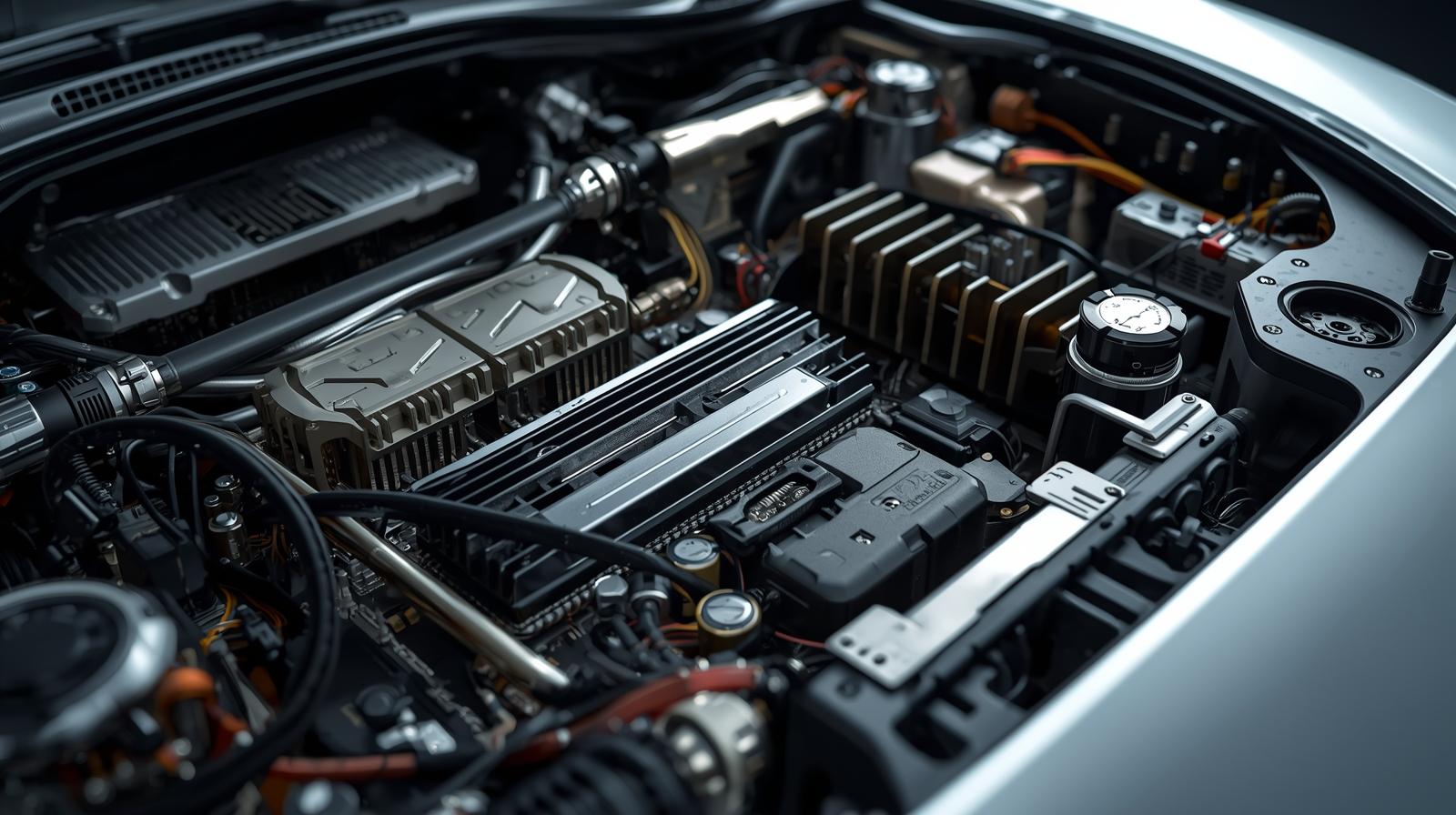
Advancements in Wide-Bandgap Semiconductors
Wide-bandgap semiconductors like SiC and GaN offer superior properties. They operate at higher frequencies with lower losses. In power electronics for electric vehicles, this means smaller inductors and capacitors. Heat dissipation is reduced, allowing passive cooling in some cases. Adoption is accelerating in high-end models.
Cost reductions are making them viable for mainstream EVs. Manufacturing processes have matured significantly. Power electronics in electric vehicles benefits from increased power density. This enables longer ranges without larger batteries. Environmental benefits include reduced material usage.
Challenges in Power Electronics Design
Electromagnetic interference is a major challenge in EV power electronics. High-speed switching generates noise that affects other systems. Shielding and filtering techniques mitigate this issue. In electric vehicles, compliance with standards is mandatory. Designers balance performance with EMC requirements.
Reliability under extreme conditions tests power electronics. Vibration, humidity, and thermal cycling demand robust packaging. In electric vehicles, failures can be costly and dangerous. Accelerated testing simulates years of use. Power electronics in electric vehicles must achieve automotive-grade durability.
Supply chain constraints for rare materials pose risks. Semiconductors rely on global sourcing. Diversification is essential for stable production. Cost pressures drive innovation in alternatives. Addressing these ensures widespread EV adoption.
Thermal Management Strategies
Effective thermal management preserves component longevity. Liquid cooling loops circulate coolant through power modules. In electric vehicles, this integrates with battery cooling systems. Efficiency gains from lower operating temperatures are substantial. Power electronics in electric vehicles optimizes fan speeds for quiet operation.
Phase-change materials absorb heat spikes effectively. They complement active cooling in compact designs. Sensors provide feedback for adaptive control. This prevents hotspots in inverters and converters. Overall, advanced strategies enhance system reliability.
Electromagnetic Compatibility Considerations
EMC ensures power electronics do not interfere with vehicle electronics. Grounding schemes reduce common-mode noise. In electric vehicles, cable routing minimizes coupling. Testing in anechoic chambers validates designs. Power electronics in electric vehicles must meet CISPR standards.
Conducted and radiated emissions are controlled through filters. Ferrite beads suppress high-frequency noise. Integration with vehicle architecture is crucial. This holistic approach maintains signal integrity. Challenges increase with higher power levels.
Future Trends in EV Power Electronics
Wireless charging eliminates cables for convenience. Inductive systems use power electronics for efficient transfer. In electric vehicles, alignment tolerances are improving.
Integrated power modules combine multiple functions. This reduces size and cost in EVs. Modular designs allow scalability. Advanced packaging techniques enhance thermal performance. Innovation continues to push boundaries.
AI-driven control optimizes power flow dynamically. Machine learning predicts load patterns for efficiency. In electric vehicles, this adapts to driving styles. Power electronics benefits from real-time adjustments. Future systems will be smarter and more adaptive.
The global Power Electronics Market size was estimated at USD 55.32 billion in 2024 and is predicted to increase from USD 51.73 billion in 2025 to approximately USD 67.42 billion by 2030, expanding at a CAGR of 5.4% from 2025 to 2030.
Download PDF Brochure @
https://www.marketsandmarkets.com/pdfdownloadNew.asp?id=204729766
Sustainability and Environmental Impact
Power electronics in electric vehicles reduces greenhouse gas emissions. Efficient energy use lowers overall carbon footprint. Recycling of components is gaining focus. Materials like silicon carbide are more durable. This supports circular economy principles.
Lifecycle assessments evaluate environmental impact. From production to disposal, optimizations are pursued. In electric vehicles, lightweight designs save resources. Power electronics contributes to sustainable mobility goals. Global adoption amplifies these benefits.
Economic Aspects of Power Electronics
Cost reductions in semiconductors lower EV prices. Economies of scale drive affordability. Power electronics in electric vehicles becomes more accessible. Investments in R&D yield long-term savings. Market growth stimulates job creation.
Supply chain optimizations reduce dependencies. Local manufacturing enhances resilience. In electric vehicles, component standardization cuts costs. Financing models support adoption. Economic viability accelerates transition.
Research and Development Initiatives
Universities collaborate with industry on next-gen technologies. Focus areas include ultra-fast switching devices. Power electronics in electric vehicles benefits from simulations. Prototyping accelerates development cycles. Funding from governments supports breakthroughs.
Open-source platforms share designs for rapid iteration. In electric vehicles, this democratizes innovation. Conferences disseminate findings globally. R&D paves the way for commercialization. Continuous progress ensures competitiveness.
Educational Resources and Training
Training programs equip engineers with specialized skills. Courses cover power electronics fundamentals for EVs. Simulations tools aid hands-on learning. Certifications validate expertise. Power electronics in electric vehicles requires interdisciplinary knowledge.
Online resources provide accessible education. Tutorials explain complex concepts simply. In electric vehicles, practical workshops build proficiency. Lifelong learning adapts to evolving tech. Empowered workforce drives industry forward.
The Road Ahead for Power Electronics
Power electronics in electric vehicles is transforming transportation. From efficiency gains to innovative features, its impact is profound. Challenges are being addressed through relentless innovation. Future trends promise even greater advancements. As adoption grows, sustainability becomes reality. Embracing this technology ensures a greener future.
The integration of power electronics in electric vehicles will continue to evolve. Collaboration across sectors accelerates progress. Consumer demands shape development priorities. Ultimately, it enables efficient, reliable mobility. The journey towards electrification is just beginning.
Explore In-Depth Semiconductor & Electronics Market Research:
https://www.marketsandmarkets.com/semiconductorand-electonics-market-research-87.html
FAQs
What is the role of power electronics in electric vehicles?
Power electronics in electric vehicles manages energy conversion and control for efficient operation of motors and batteries.
How do inverters contribute to EV performance?
Inverters convert DC to AC, enabling precise motor control and improving acceleration and efficiency in electric vehicles.
What are the benefits of wide-bandgap semiconductors in EVs?
They offer higher efficiency, reduced size, and better thermal management in power electronics for electric vehicles.
What challenges does power electronics face in electric vehicles?
Challenges include thermal management, electromagnetic interference, and ensuring reliability under harsh conditions.
How is power electronics advancing in future EVs?
Advancements include AI integration, wireless charging, and more compact designs for enhanced performance.
See The Latest Semiconductor Reports:
Actuators Market Size, Share & Trends : https://www.marketsandmarkets.com/Market-Reports/global-actuators-market-59465451.html
Battery Technology Market Size, Share & Trends : https://www.marketsandmarkets.com/Market-Reports/battery-technology-market-253343109.html
Smart Appliances Market Size, Share & Trends : https://www.marketsandmarkets.com/Market-Reports/smart-appliances-market-8228252.html
Quantum Computing Market Size, Share & Trends: https://www.marketsandmarkets.com/Market-Reports/quantum-computing-market-144888301.html
Cold Chain Monitoring Market Size, Share & Trends : https://www.marketsandmarkets.com/Market-Reports/cold-chain-monitoring-market-161738480.html
Head-up Display (HUD) Market Size, Share & Trends : https://www.marketsandmarkets.com/Market-Reports/head-up-display-hud-market-684.html
