The manufacturing industry stands at the cusp of a technological revolution, with the Asset Management System Market in Manufacturing Industry playing a pivotal role in reshaping how businesses operate. Asset management systems (AMS), encompassing software and tools designed to track, maintain, and optimize physical and digital assets, are becoming indispensable in modern manufacturing. As factories and production facilities embrace digital transformation, these systems are driving unprecedented efficiency, cost savings, and operational excellence. This article explores the profound impact of asset management systems on the manufacturing sector, delving into their applications, benefits, and future potential.
Understanding the Role of Asset Management Systems in Manufacturing Operations
Asset management systems are sophisticated platforms that enable manufacturers to monitor and manage their equipment, machinery, and other critical assets throughout their lifecycle. These systems integrate advanced technologies such as the Internet of Things (IoT), artificial intelligence (AI), and cloud computing to provide real-time insights into asset performance, maintenance needs, and operational efficiency. In the manufacturing industry, where downtime can result in significant financial losses, the ability to proactively manage assets is a game-changer.
The core function of an AMS is to streamline asset tracking, ensuring that every piece of equipment is accounted for and operating at peak performance. By leveraging data analytics, these systems can predict potential failures, schedule maintenance, and optimize resource allocation. This proactive approach contrasts sharply with traditional reactive maintenance strategies, which often lead to unexpected breakdowns and costly repairs. As manufacturers increasingly adopt smart technologies, the Asset Management System Market in Manufacturing Industry is experiencing rapid growth, fueled by the demand for solutions that enhance productivity and reduce operational risks.
The Evolution of Asset Management Systems in the Manufacturing Sector
The journey of asset management systems in manufacturing has been marked by significant technological advancements. In the past, asset management relied heavily on manual processes, such as paper-based logs and periodic inspections. These methods were time-consuming, prone to errors, and lacked the ability to provide real-time insights. The advent of digital technologies has transformed this landscape, introducing automated systems that offer unparalleled visibility into asset performance.
The integration of IoT devices has been a key driver in this evolution. Sensors embedded in machinery collect data on parameters such as temperature, vibration, and energy consumption, which is then analyzed by AMS platforms to identify patterns and anomalies. This data-driven approach enables manufacturers to make informed decisions about asset maintenance and replacement, minimizing downtime and extending equipment lifespan. Additionally, cloud-based AMS solutions have made it easier for manufacturers to access data remotely, enabling seamless collaboration across geographically dispersed teams.
AI and machine learning have further enhanced the capabilities of asset management systems. These technologies enable predictive maintenance, where algorithms analyze historical data to forecast when a machine is likely to fail. By addressing issues before they escalate, manufacturers can avoid costly disruptions and improve overall operational efficiency. The evolution of the Asset Management System Market in Manufacturing Industry reflects a broader shift toward Industry 4.0, where interconnected systems and data-driven decision-making are redefining manufacturing processes.
Enhancing Operational Efficiency Through Asset Management Systems
One of the most significant ways asset management systems are transforming the manufacturing industry is by boosting operational efficiency. In a highly competitive market, manufacturers are under constant pressure to maximize output while minimizing costs. AMS platforms address this challenge by optimizing the use of assets, ensuring that equipment operates at peak performance and resources are allocated effectively.
For instance, real-time monitoring capabilities allow manufacturers to track the performance of machinery and identify inefficiencies. If a machine is consuming excessive energy or operating below capacity, the AMS can flag the issue and recommend corrective actions. This level of visibility enables manufacturers to fine-tune their operations, reducing waste and improving productivity. Furthermore, by automating maintenance schedules, AMS platforms eliminate the need for manual inspections, freeing up valuable time and resources for other critical tasks.
The impact of improved efficiency extends beyond the factory floor. By reducing energy consumption and minimizing waste, asset management systems contribute to sustainability efforts, aligning with the growing emphasis on environmentally responsible manufacturing. As companies strive to meet regulatory requirements and consumer expectations for sustainable practices, the adoption of AMS solutions is becoming a strategic priority.
Reducing Downtime and Maintenance Costs with Predictive Analytics
Downtime is a major challenge in the manufacturing industry, often resulting in significant financial losses and delays in production. Asset management systems address this issue by leveraging predictive analytics to anticipate equipment failures before they occur. By analyzing data from IoT sensors and historical maintenance records, AMS platforms can identify early warning signs of potential issues, such as abnormal vibrations or temperature spikes.
This predictive approach allows manufacturers to schedule maintenance during planned downtime, avoiding unexpected disruptions. For example, if an AMS detects that a critical component is nearing the end of its lifespan, it can alert maintenance teams to replace it before it fails. This not only prevents costly breakdowns but also extends the lifespan of equipment, reducing the need for frequent replacements.
Improving Asset Utilization and Lifecycle Management
Effective asset utilization is a cornerstone of modern manufacturing, and asset management systems play a pivotal role in optimizing this process. By providing detailed insights into how assets are used, AMS platforms help manufacturers identify underutilized equipment and reallocate resources to maximize productivity. For example, if a machine is idle for extended periods, the system can recommend adjustments to production schedules to ensure optimal use.
Lifecycle management is another key benefit of AMS solutions. These systems track assets from acquisition to disposal, providing a comprehensive view of their performance and maintenance history. This information is invaluable for making informed decisions about when to repair, upgrade, or replace equipment. By extending the lifespan of assets and reducing the need for premature replacements, manufacturers can achieve significant cost savings.
Moreover, AMS platforms facilitate compliance with regulatory requirements by maintaining detailed records of asset maintenance and performance. This is particularly important in industries such as aerospace and pharmaceuticals, where strict regulations govern equipment use. By ensuring that assets are properly maintained and documented, manufacturers can avoid costly fines and maintain their reputation for quality and reliability.
The Role of Cloud-Based Asset Management Systems in Global Collaboration
The rise of cloud-based asset management systems has revolutionized how manufacturers manage their assets, particularly in the context of global operations. Cloud-based AMS platforms enable real-time access to asset data from anywhere in the world, facilitating seamless collaboration among teams across different locations. This is particularly beneficial for multinational manufacturers with multiple production facilities.
For example, a manufacturer with factories in Asia, Europe, and North America can use a cloud-based AMS to monitor equipment performance across all sites from a centralized dashboard. This level of visibility enables faster decision-making and ensures that best practices are shared across the organization. Additionally, cloud-based systems offer scalability, allowing manufacturers to expand their asset management capabilities as their operations grow.
Security is a critical consideration for cloud-based AMS solutions, given the sensitive nature of manufacturing data. Leading platforms employ robust encryption and access controls to protect against cyber threats, ensuring that asset data remains secure. As the Asset Management System Market in Manufacturing Industry continues to evolve, cloud-based solutions are expected to play an increasingly prominent role in enabling global collaboration and operational efficiency.
Integrating Asset Management Systems with Industry 4.0 Technologies
The convergence of asset management systems with Industry 4.0 technologies is driving a new era of innovation in manufacturing. Industry 4.0, characterized by the integration of cyber-physical systems, IoT, and big data, is transforming traditional factories into smart, interconnected ecosystems. Asset management systems are at the heart of this transformation, serving as the backbone for collecting and analyzing data from connected devices.
For instance, the integration of AMS with IoT enables manufacturers to create digital twins—virtual replicas of physical assets. These digital twins allow for real-time monitoring and simulation, enabling manufacturers to test different scenarios and optimize asset performance without disrupting operations. Similarly, AI-powered AMS platforms can analyze vast amounts of data to uncover insights that would be impossible to detect manually.
This integration also facilitates automation, a key pillar of Industry 4.0. By connecting AMS platforms with robotic systems and automated workflows, manufacturers can streamline processes such as inventory management and quality control. This not only improves efficiency but also reduces the risk of human error, ensuring consistent product quality.
Addressing Challenges in Adopting Asset Management Systems
While the benefits of asset management systems are undeniable, their adoption is not without challenges. One of the primary hurdles is the initial cost of implementation, which can be significant for small and medium-sized manufacturers. Investing in IoT sensors, software licenses, and training programs requires a substantial upfront commitment, which may deter some companies.
Another challenge is the complexity of integrating AMS platforms with existing systems. Many manufacturers rely on legacy equipment that may not be compatible with modern asset management technologies. Overcoming this requires careful planning and, in some cases, upgrading or retrofitting equipment to ensure compatibility.
Data security is also a concern, particularly for manufacturers handling sensitive information. Ensuring that AMS platforms comply with industry standards and regulations is essential to protecting against cyber threats. Despite these challenges, the long-term benefits of AMS adoption—such as reduced downtime, improved efficiency, and cost savings—far outweigh the initial hurdles.
Download PDF Brochure @ https://www.marketsandmarkets.com/pdfdownloadNew.asp?id=255619316
The Future of the Asset Management System Market in Manufacturing
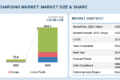
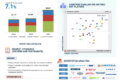
The Asset Management System Market in Manufacturing Industry is poised for significant growth in the coming years, driven by advancements in technology and increasing demand for operational efficiency. The asset management system market size is expected to grow from USD 17.64 billion in 2025 to USD 26.41 billion by 2030, registering a CAGR of 8.4% during the forecast period.
Emerging technologies such as AI, machine learning, and blockchain are expected to further enhance the capabilities of asset management systems. For example, blockchain can be used to create secure, transparent records of asset maintenance and ownership, reducing the risk of fraud and improving compliance. Similarly, advancements in AI will enable more accurate predictive maintenance, further reducing downtime and costs.
The growing emphasis on sustainability is also shaping the future of AMS in manufacturing. As companies strive to reduce their environmental footprint, asset management systems will play a critical role in optimizing energy usage and minimizing waste. This aligns with broader industry trends toward circular economies and sustainable production practices.
The Transformative Power of Asset Management Systems
The Asset Management System Market in Manufacturing Industry is revolutionizing how manufacturers operate, offering powerful tools to enhance efficiency, reduce costs, and drive innovation. By leveraging technologies such as IoT, AI, and cloud computing, these systems enable manufacturers to optimize asset performance, minimize downtime, and achieve sustainable growth. As the industry continues to evolve, the adoption of AMS solutions will be a critical factor in staying competitive in a rapidly changing landscape. With their ability to transform operations and unlock new opportunities, asset management systems are not just a technological advancement—they are a strategic imperative for the future of manufacturing.
FAQs
What is an asset management system in manufacturing?
An asset management system in manufacturing is a software platform that tracks, monitors, and optimizes the performance of physical and digital assets, such as machinery and equipment, to improve efficiency and reduce costs.
How does an AMS improve manufacturing efficiency?
AMS platforms enhance efficiency by providing real-time insights into asset performance, enabling predictive maintenance, and optimizing resource allocation to minimize waste and downtime.
What role does IoT play in asset management systems?
IoT devices, such as sensors, collect data on asset performance, which is analyzed by AMS platforms to predict maintenance needs and optimize operations.
Are asset management systems expensive to implement?
While the initial cost of implementation can be high, the long-term benefits, such as reduced downtime and maintenance costs, make AMS solutions a worthwhile investment.
How do cloud-based AMS solutions benefit manufacturers?
Cloud-based AMS platforms enable real-time access to asset data, facilitate global collaboration, and offer scalability, making them ideal for manufacturers with multiple facilities.
What is the future outlook for the AMS market in manufacturing?
The AMS market is expected to grow significantly, driven by advancements in AI, IoT, and blockchain, as well as increasing demand for sustainable and efficient manufacturing practices.