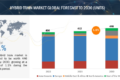
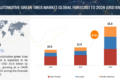
The hydrogen truck market size is projected to grow from USD 1.9 billion in 2024 to USD 10.8 billion by 2035, registering a CAGR of 16.9% during the forecast period. Rising demand for clean freight transportation, stringent emission regulations, and expanding hydrogen infrastructure are expected to drive long-term market growth.
The global hydrogen truck market is gaining significant momentum as governments, fleet operators, and truck manufacturers accelerate the transition toward zero-emission freight transportation. Hydrogen fuel cell trucks offer long driving ranges, fast refueling times, and high payload capacity, making them well suited for heavy-duty logistics where battery-electric trucks may face operational limitations. Increasing investments in hydrogen production, refueling infrastructure, and fuel cell technology are creating new opportunities for sustainable commercial transportation.
Hydrogen Truck Industry Overview
Hydrogen trucks are heavy-duty commercial vehicles powered by hydrogen fuel cells that generate electricity through an electrochemical reaction between hydrogen and oxygen, emitting only water vapor. These vehicles combine zero tailpipe emissions with long operating ranges and rapid refueling, making them highly suitable for long-haul freight, mining, construction, ports, and regional logistics.
Modern hydrogen trucks integrate fuel cell systems, electric drivetrains, high-pressure hydrogen storage tanks, regenerative braking, advanced battery management, and intelligent vehicle control systems. Manufacturers continue investing in next-generation fuel cell technologies to improve efficiency, durability, and total cost of ownership while supporting the decarbonization of commercial transportation.
Clean Freight Transportation Driving Hydrogen Truck Market Growth
The growing focus on reducing greenhouse gas emissions from commercial transportation remains the primary driver of the hydrogen truck market. Heavy-duty trucks contribute significantly to global transportation emissions, prompting governments and logistics companies to adopt zero-emission alternatives.
Hydrogen fuel cell trucks provide an attractive solution for long-distance freight operations because they offer faster refueling and greater range than many battery-electric alternatives. Government incentives, carbon reduction policies, and investments in hydrogen ecosystems are accelerating commercial deployment across major freight corridors.
As global logistics networks pursue sustainability goals, hydrogen-powered trucking is expected to play an increasingly important role in clean freight transportation.
Fuel Cell Electric Trucks Leading Heavy-Duty Decarbonization
Fuel Cell Electric Trucks (FCETs) are expected to remain the dominant technology within the hydrogen truck market. These vehicles combine hydrogen fuel cells with electric propulsion systems, delivering high torque, quiet operation, and zero tailpipe emissions while maintaining the performance required for demanding commercial applications.
Leading truck manufacturers are introducing hydrogen-powered tractors, rigid trucks, and vocational vehicles designed for long-haul logistics, mining, waste management, and port operations. Continuous improvements in fuel cell durability and hydrogen storage technologies are further strengthening the commercial viability of hydrogen trucks.
Growing demand for sustainable heavy-duty transportation is expected to accelerate adoption throughout the forecast period.
Download PDF Brochure @ https://www.marketsandmarkets.com/pdfdownloadNew.asp?id=228367585
Green Hydrogen Infrastructure Accelerating Market Expansion
The expansion of green hydrogen production and hydrogen refueling infrastructure is becoming one of the most important growth drivers for the hydrogen truck market. Governments and private companies are investing heavily in hydrogen production facilities, refueling stations, and integrated hydrogen corridors to support commercial vehicle deployment.
The availability of renewable hydrogen enables fleet operators to significantly reduce lifecycle carbon emissions while improving energy security and reducing dependence on fossil fuels. Continued investments in hydrogen infrastructure are expected to improve operational efficiency and encourage wider adoption of fuel cell trucks.
As hydrogen ecosystems mature globally, infrastructure development will remain essential for market expansion.
Long-Haul Logistics Creating Significant Growth Opportunities
Long-haul freight transportation is expected to account for a substantial share of the hydrogen truck market due to the operational advantages of fuel cell technology. Hydrogen trucks can transport heavy payloads over extended distances while minimizing downtime through rapid refueling.
Industries such as logistics, retail distribution, mining, ports, construction, and industrial transportation are increasingly evaluating hydrogen-powered fleets to meet sustainability targets without compromising operational efficiency.
The growing need for reliable zero-emission transportation solutions is expected to create significant long-term opportunities for hydrogen truck manufacturers and fleet operators.
AI, Telematics and Connected Fleet Technologies Enhancing Hydrogen Trucks
Digital technologies are transforming hydrogen commercial vehicles through the integration of artificial intelligence, telematics, IoT connectivity, predictive maintenance, and fleet management platforms. These technologies enable operators to monitor fuel cell performance, hydrogen consumption, vehicle health, maintenance schedules, and route optimization in real time.
Connected fleet management improves operational efficiency, reduces downtime, and lowers total operating costs while maximizing vehicle utilization. AI-powered diagnostics and predictive analytics further enhance reliability and support efficient fleet operations.
The combination of hydrogen propulsion and intelligent fleet technologies is expected to accelerate commercial adoption across global logistics networks.
Asia Pacific Leading the Hydrogen Truck Market Share
Asia Pacific is expected to account for the largest hydrogen truck market share, driven by strong government support, rapid hydrogen infrastructure development, and significant investments in fuel cell technology. Countries such as China, Japan, and South Korea are actively promoting hydrogen mobility through subsidies, infrastructure projects, and industrial partnerships.
The region also benefits from strong manufacturing capabilities, growing commercial vehicle demand, and ambitious carbon neutrality targets. Increasing deployment of hydrogen-powered freight vehicles is expected to reinforce Asia Pacific’s leadership position throughout the forecast period.
Future Outlook for the Hydrogen Truck Market
The future of the hydrogen truck market will be shaped by fuel cell innovation, green hydrogen production, autonomous driving technologies, connected fleet management, and expanding hydrogen refueling infrastructure. As governments and fleet operators continue investing in sustainable freight transportation, hydrogen-powered trucks are expected to become an increasingly important solution for long-haul commercial mobility.
Growing investments in hydrogen production, fuel cell systems, intelligent fleet technologies, digital logistics platforms, and zero-emission transportation infrastructure will continue creating opportunities for truck manufacturers, hydrogen suppliers, logistics providers, and technology companies. As a result, the hydrogen truck market is expected to witness sustained innovation, expanding market share, and strong global growth through 2035.
Request Free Sample Report @ https://www.marketsandmarkets.com/requestsampleNew.asp?id=228367585