The modern manufacturing industry is undergoing a profound transformation, fueled by the integration of advanced technologies that are redefining productivity, efficiency, and competitiveness. At the core of this revolution is Artificial Intelligence (AI)—a technology that is rapidly changing how manufacturers design products, manage operations, and respond to market demands. As companies strive to remain agile and cost-effective in a highly competitive landscape, AI is emerging as a key enabler of smart manufacturing and Industry 4.0.
Download PDF Brochure @ https://www.marketsandmarkets.com/pdfdownloadNew.asp?id=72679105
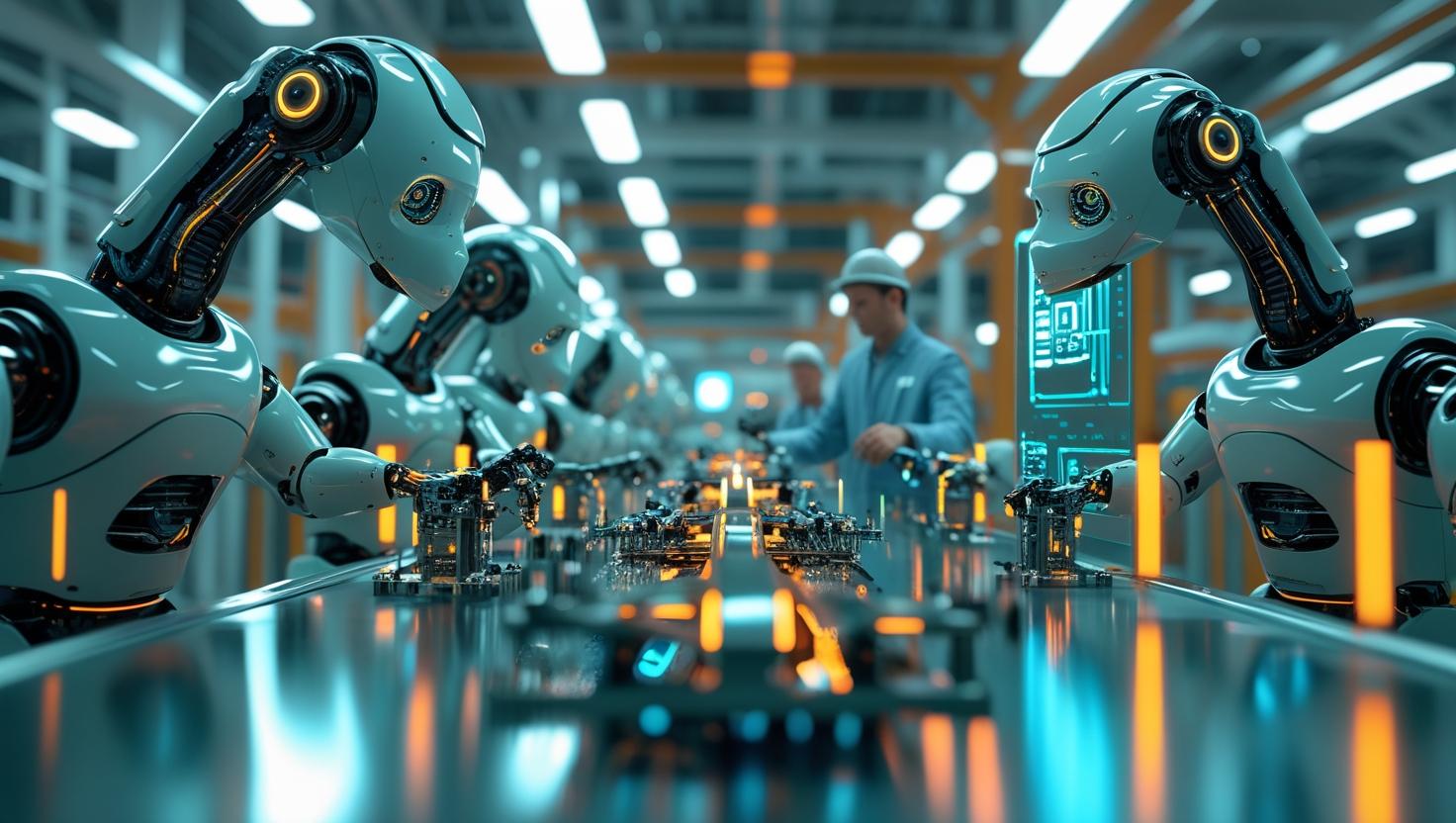
AI-Powered Automation and Smart Production
One of the most impactful roles of AI in manufacturing is in automating repetitive and time-consuming tasks. Through AI-powered robotics and intelligent automation systems, manufacturers can streamline production lines, reduce human error, and increase operational speed. Unlike traditional automation, which relies on fixed programming, AI-driven systems can learn from data, adapt to changing inputs, and optimize performance over time.
Smart production lines equipped with AI algorithms can monitor the entire manufacturing process in real-time. These systems can automatically detect anomalies, adjust parameters, and minimize downtime, resulting in higher throughput and lower production costs. From automotive assembly to electronics manufacturing, AI is helping companies build more efficient and flexible factories.
Predictive Maintenance and Equipment Health Monitoring
Maintenance is a critical aspect of manufacturing that directly affects productivity and operational efficiency. Traditionally, equipment maintenance followed either a scheduled or reactive approach. However, AI enables predictive maintenance by analyzing historical and real-time data from sensors embedded in machinery. Machine learning models can forecast equipment failures before they occur, allowing manufacturers to perform timely maintenance and avoid costly unplanned downtimes.
Predictive maintenance not only enhances the lifespan of machinery but also helps in optimizing inventory for spare parts, improving workforce allocation, and reducing maintenance costs. This AI application is proving to be especially valuable in industries such as aerospace, automotive, and heavy machinery, where equipment reliability is paramount.
Quality Control and Defect Detection
AI is revolutionizing quality control processes by enabling highly accurate and efficient defect detection. Traditional quality inspection methods often involve manual checks, which can be inconsistent and labor-intensive. AI-powered vision systems, combined with deep learning algorithms, can inspect products at high speed and with remarkable precision.
These systems can identify subtle defects, measure tolerances, and even predict quality issues before they occur. AI-based quality control reduces waste, ensures product consistency, and enhances customer satisfaction. As a result, manufacturers are increasingly adopting computer vision and AI technologies to ensure that only high-quality products leave their production lines.
Supply Chain Optimization
The manufacturing supply chain is a complex web of suppliers, logistics providers, distributors, and customers. AI helps manufacturers manage this complexity by providing real-time insights into supply chain performance and enabling more accurate demand forecasting. By analyzing historical sales data, market trends, and external factors, AI algorithms can predict demand fluctuations and optimize inventory levels.
AI also supports dynamic decision-making in areas such as procurement, logistics, and warehouse management. For instance, AI can determine the most efficient shipping routes, identify potential supply chain disruptions, and recommend mitigation strategies. With AI-enabled supply chains, manufacturers can improve responsiveness, reduce lead times, and lower operational costs.
Product Design and Customization
AI is playing a vital role in the design and development of new products. Generative design, an AI-driven approach, allows engineers to input design goals and constraints into software that uses algorithms to generate multiple design alternatives. These designs are then tested using simulation models to identify the most efficient and effective solution.
In addition, AI enables mass customization by analyzing customer preferences and manufacturing capabilities. This allows manufacturers to offer personalized products without compromising on cost or efficiency. Whether it’s customizing consumer electronics or tailoring fashion items, AI makes it possible to deliver unique products at scale.
Workforce Augmentation and Human-Machine Collaboration
Rather than replacing human workers, AI is increasingly being used to augment the workforce. In modern manufacturing settings, AI-powered tools assist workers by providing data-driven insights, real-time instructions, and decision support. Augmented reality (AR) and AI together enable guided workflows, helping technicians assemble components, troubleshoot issues, and perform complex tasks more efficiently.
Human-machine collaboration is becoming the norm, where cobots (collaborative robots) work alongside humans to handle tasks that require precision, strength, or repetitive motion. AI ensures that these cobots can adapt to human actions, creating safer and more productive working environments.
Sustainability and Energy Efficiency
Sustainability is a top priority for manufacturers seeking to reduce their environmental footprint. AI contributes to this goal by optimizing energy consumption, minimizing waste, and enhancing resource utilization. AI systems can monitor energy usage across manufacturing facilities and recommend strategies to reduce consumption during peak hours or idle times.
Moreover, AI can help identify inefficiencies in water use, raw material sourcing, and waste management, enabling manufacturers to adopt greener practices. With increasing regulatory and consumer pressure for sustainable operations, AI is proving to be a critical tool in achieving environmental targets.
Real-Time Data Analytics and Decision-Making
Data is the foundation of smart manufacturing, and AI makes it possible to transform raw data into actionable insights. By processing data from sensors, machines, and enterprise systems, AI provides real-time visibility into production processes, equipment performance, and market dynamics.
With the help of AI-powered analytics platforms, decision-makers can identify bottlenecks, evaluate KPIs, and make informed strategic choices. Whether it’s adjusting production schedules, allocating resources, or responding to customer demands, AI enables faster, smarter, and more data-driven decisions across the manufacturing enterprise.
Explore In-Depth Semiconductor & Electronics Market Research – https://www.marketsandmarkets.com/semiconductorand-electonics-market-research-87.html
See Related Semiconductor Reports:
Smart Manufacturing Market – Edge Computing, Industrial 3D Printing, Robots, Sensor, Machine Vision, Artificial intelligence, Cybersecurity, Digital Twin, Private 5G, AGV, AMR, AR & VR, CAD, CAM, PLM, HMI, IPC, MES, WMS, and ERP – Global Forecast to 2029
Manufacturing Execution System Market by Deployment Mode (On-premises, Cloud, Hybrid), Application (Production Management, Quality Management, Material and Inventory Management, Maintenance Management, Performance Analysis) – Global Forecast to 2030
