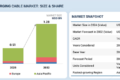
The Japan clinical trial services market is a sophisticated and rapidly evolving landscape, characterized by high-quality data, a robust healthcare infrastructure with numerous specialized hospitals, and a strong presence of both domestic and global pharmaceutical companies. The market is increasingly defined by its transition toward digital transformation, with the rising adoption of decentralized clinical trials, artificial intelligence for data analytics, and electronic consent platforms to improve efficiency and patient recruitment. Recent regulatory reforms, such as the 2023 notification streamlining Phase 1 requirements for international programs and the SAKIGAKE designation for innovative therapies, have significantly reduced the drug approval lag, making Japan an attractive hub for multi-regional clinical trials. Furthermore, the industry is supported by a unique infrastructure of Site Management Organizations that manage approximately 70% of trial sites, ensuring high regulatory compliance and operational reliability across key therapeutic areas like oncology, central nervous system disorders, and regenerative medicine.
Key Drivers, Restraints, Opportunities, and Challenges in the Japan Clinical Trial Services Market
The Japan clinical trial services market is primarily driven by an aging population and a rising prevalence of chronic diseases like cancer and diabetes, which fuel the demand for novel therapeutics and increased R&D expenditure. Technological advancements, including the integration of artificial intelligence, electronic data capture, and decentralized trial models, further propel growth by enhancing operational efficiency and data accuracy. However, the market faces significant restraints such as high clinical trial costs and a complex regulatory landscape that can limit industry growth. Despite these hurdles, substantial opportunities exist in the expansion of personalized medicine, cell and gene therapies, and the increasing adoption of digital health tools like wearable biosensors. Challenges remain, including difficulties in patient recruitment and retention, a shortage of skilled clinical research professionals, and the need to maintain rigorous data privacy and cybersecurity standards across globalized trial systems.
Customer Segmentation, Needs, Preferences, and Buying Behavior in the Japan Clinical Trial Services Market
The target customers for the Japan clinical trial services market primarily include global and local pharmaceutical companies, biotechnology organizations, and medical device manufacturers. These customers prioritize access to Japan’s high-quality healthcare infrastructure, regulatory expertise to navigate the Pharmaceuticals and Medical Devices Agency (PMDA) standards, and the ability to recruit from an aging and diverse patient population, particularly for oncology, neurology, and rare diseases. Their preferences are shifting toward multi-regional clinical trials (MRCT) to resolve drug lag and the integration of technology-driven solutions like decentralized clinical trials (DCTs), artificial intelligence, and real-world evidence to improve efficiency and data accuracy. Purchasing behavior is characterized by a strong reliance on strategic partnerships with local Contract Research Organizations (CROs) and Site Management Organizations (SMOs), which manage approximately 70% of trial sites, ensuring compliance with strict J-GCP standards while navigating high operational costs.
Regulatory, Technological, and Economic Factors Impacting the Japan Clinical Trial Services Market
The Japan clinical trial services market is shaped by a complex interplay of regulatory, technological, and economic factors. Regulatory oversight by the Pharmaceuticals and Medical Devices Agency (PMDA) ensures high safety standards but presents challenges through stringent compliance requirements, unique local data needs, and the financial burdens imposed by the 2018 Clinical Trials Act, which can slow approval timelines compared to other regions. Technologically, the market is being revolutionized by the integration of artificial intelligence, big data analytics, and decentralized clinical trial models, including remote monitoring and wearable health trackers, which enhance operational efficiency and patient recruitment. Economically, while Japan’s aging population and rising prevalence of chronic diseases sustain high demand for innovative therapeutics, profitability is often challenged by a rigid national drug pricing system and the high capital investment required for advanced digital infrastructure. These factors collectively influence the strategic decisions of global and local players as they navigate entry and expansion in one of the world’s largest pharmaceutical markets.
Current and Emerging Trends in the Japan Clinical Trial Services Market
The Japan clinical trial services market is undergoing a rapid evolution characterized by the widespread adoption of decentralized clinical trials (DCTs) and the integration of digital technologies like artificial intelligence, telemedicine, and wearable devices to enhance trial efficiency and patient accessibility. These trends are accelerating quickly, with DCT-related studies increasing exponentially since 2020 and a projected market CAGR of 8.9% through 2033. Furthermore, the market is shifting toward personalized medicine and regenerative therapies, supported by regulatory reforms like the SAKIGAKE program and a December 2023 notification that streamlines participation in multiregional trials by reducing the requirement for separate Japanese Phase 1 studies. While oncology remains the dominant therapeutic focus, the industry is increasingly leveraging AI-driven data collection and remote monitoring to address the needs of an aging population and resolve longstanding challenges such as drug lag and drug loss.
Technological Innovations and Disruption Potential in the Japan Clinical Trial Services Market
Technological innovations such as artificial intelligence, machine learning, and cloud-based platforms are fundamentally disrupting the Japan clinical trial services market by streamlining data collection, analysis, and validation to accelerate drug development. The rapid advancement of digital health technologies, including electronic data capture systems, remote monitoring tools, and wearable health trackers, is gaining significant traction by enabling real-time physiological monitoring and improving trial efficiency. Furthermore, the adoption of decentralized clinical trial solutions, such as telemedicine and e-consent platforms, is decentralizing research by providing greater access to patients in rural areas and reducing the burden of site visits. Other disruptive advancements include the use of digital twins, biomarkers for precision psychiatry, and sophisticated imaging technologies, which are collectively shifting the industry toward more patient-centric, efficient, and data-driven clinical development models.
Short-Term vs. Long-Term Trends in the Japan Clinical Trial Services Market
In the Japan clinical trial services market, the temporary surge in trial activity and system improvement efforts following the initial waves of the COVID-19 pandemic is viewed as a short-term phenomenon, whereas several other trends represent long-term structural shifts. The move toward decentralization, characterized by the adoption of virtual trials, remote monitoring, and telemedicine to improve patient access in rural areas, is a permanent transformation supported by recent regulatory considerations for new clinical trial methods. Similarly, the integration of artificial intelligence, cloud platforms, and digital health tools into trial management is a fundamental shift aimed at enhancing data collection efficiency and navigating increasingly complex regulatory requirements. Other enduring structural changes include a heightened focus on personalized medicine, regenerative therapies like cell and gene therapy, and the streamlining of regulatory processes by the PMDA, such as the 2023 notification reducing the necessity for local Phase 1 trials, which are fueled by the long-term demographic realities of an aging population and the need to accelerate drug approval timelines.