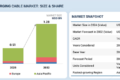
The Japan laboratory automation market is a sophisticated and mature sector characterized by a strong domestic manufacturing base and the rapid adoption of robotics and artificial intelligence to address demographic pressures and rising research complexities. Driven by an aging population and a critical need to reduce manual workloads in clinical and pharmaceutical settings, the market is shifting toward high-throughput testing and integrated workflows. Major pharmaceutical companies and biotech startups are increasingly deploying automated liquid handling systems, robotic arms, and AI-driven software to enhance experimental precision and streamline drug discovery processes. This landscape is further defined by strategic partnerships between technology firms and life science institutions, such as the collaboration between Torch Corporation and Nihon Waters K.K., aimed at optimizing research through system integration and innovative automated platforms. Despite challenges such as high upfront capital costs and technical skill gaps, the market is poised for robust growth as laboratories prioritize long-term operational efficiency and scalability.
Key Drivers, Restraints, Opportunities, and Challenges in the Japan Lab Automation Market
The Japan lab automation market is primarily driven by an aging population and a shortage of skilled personnel, which necessitate increased operational efficiency and high-throughput testing to manage rising diagnostic volumes and complex drug discovery processes. Technological advancements in robotics, artificial intelligence, and automated liquid handling systems further propel growth by reducing manual workloads and enhancing experimental precision. Significant opportunities exist in the integration of AI-driven analytics for drug discovery and the expansion of personalized medicine and genomics. However, the market faces restraints such as high initial capital investments and recurring maintenance costs, which can be prohibitive for small and medium-sized laboratories. Key challenges include the technical complexity of integrating new automation tools with legacy systems and the need for comprehensive workforce retraining to manage digital workflows and ensure data security.
Customer Segmentation, Needs, Preferences, and Buying Behavior in the Japan Lab Automation Market
The target customers for the Japan laboratory automation market primarily include pharmaceutical and biotechnology companies, hospitals, diagnostic laboratories, and academic or research institutes. These customers prioritize high-throughput efficiency, experimental precision, and the reduction of manual labor to combat chronic workforce shortages and an aging population. Their preferences lean toward integrated robotic platforms, AI-driven software, and space-saving equipment like automated liquid handlers and robotic arms that fit into smaller laboratory footprints. Purchasing behavior is characterized by a strategic shift toward long-term scalability and digital transformation, with an increasing reliance on collaborative partnerships between technology firms and life science institutions to develop tailored, automated systems that ensure regulatory compliance and accelerate drug discovery and clinical diagnostics.
Regulatory, Technological, and Economic Factors Impacting the Japan Lab Automation Market
The Japan lab automation market is significantly influenced by a complex interplay of regulatory, technological, and economic factors. Regulatory frameworks promote standardized procedures and accuracy, particularly as competition in the pharmaceutical sector intensifies, though compliance costs for evolving standards can challenge new entrants. Technologically, the integration of advanced robotics, artificial intelligence, and machine learning is driving market expansion by streamlining drug discovery and clinical workflows, with Japanese firms leveraging a strong domestic robotics manufacturing base to develop tailored, space-saving solutions. Economically, the market is propelled by a critical labor shortage and an aging population, which necessitate a strategic shift toward long-term efficiency and reduced manual intervention. However, high initial capital investment costs for advanced automated systems and the complexity of integrating these with legacy laboratory informatics remain significant hurdles that can restrain profitability, particularly for small to mid-sized laboratories and academic institutions.
Current and Emerging Trends in the Japan Lab Automation Market
The Japan laboratory automation market is undergoing a rapid evolution, moving from discrete, task-specific automation toward fully integrated, smart laboratory ecosystems driven by a strong domestic robotics manufacturing base. Key current trends include the widespread adoption of AI-driven analytics, mobile and dual-armed robots for complex tasks like cell culture, and the integration of automated liquid chromatography platforms to streamline pharmaceutical R&D. These trends are evolving quickly, as evidenced by projections that the market will grow at a CAGR of 5.88% through 2034, with newer segments like modular automation systems expected to grow even faster at over 11%. Emerging focus areas involve the convergence of IoT-enabled devices and cloud-based platforms to create “Society 5.0” compliant healthcare infrastructures that address chronic labor shortages and the demands of an aging population. This shift is accelerating as Japanese firms prioritize long-term efficiency and scalability, transitioning laboratories into highly productive areas that minimize manual intervention and human error.
Technological Innovations and Disruption Potential in the Japan Lab Automation Market
Technological innovations such as advanced robotics, artificial intelligence (AI), and machine learning are gaining significant traction and are poised to disrupt the Japan lab automation market by enabling autonomous experimentation and streamlining complex workflows. The integration of dual-armed and mobile robots, alongside AI-driven software, is transforming drug discovery and clinical diagnostics by enhancing precision, reducing human error, and accelerating high-throughput screening. Additionally, the development of self-driving laboratories (SDLs) and cloud-based lab services is emerging as a disruptive force, allowing for real-time data-driven decision-making and remote access to sophisticated research infrastructure. These advancements, supported by Japan’s strong robotics manufacturing base, are decentralizing research capabilities and helping laboratories overcome critical labor shortages and an aging workforce.
Short-Term vs. Long-Term Trends in the Japan Lab Automation Market
In the Japan laboratory automation market, the temporary surge in automated systems specifically for COVID-19 testing is increasingly viewed as a short-term phenomenon, whereas several other trends represent long-term structural shifts. The move toward a permanent transformation is driven by Japan’s unique demographic challenges, including an aging population and a shrinking workforce, which necessitate the adoption of ultra-efficient robotics and AI to minimize manual labor. Fundamental shifts include the integration of artificial intelligence and machine learning to optimize drug discovery and the adoption of modular, scalable automation systems that allow laboratories to handle higher test volumes with fewer personnel. These enduring changes are further supported by government initiatives like Society 5.0 and strategic partnerships between life science institutes and the technology sector to ensure long-term operational efficiency and diagnostic precision.