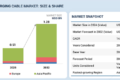
The Japan medical aesthetics market is a mature and rapidly expanding landscape, currently ranked as the third largest in the world and the second largest in the Asia-Pacific region. This growth is primarily fueled by a shrinking mental barrier toward cosmetic procedures, a rapidly aging population seeking anti-aging solutions, and a strong cultural emphasis on facial features. The market is increasingly defined by a shift toward non-invasive and minimally invasive treatments, such as Botox, dermal fillers, and laser skin resurfacing, which offer quick recovery times and lower risks. While the sector was traditionally dominated by invasive surgeries like eyelid procedures and breast augmentation, the rise of medical tourism—particularly from China—and the integration of advanced technologies like augmented reality and AI-driven skin analysis are transforming the industry. Despite challenges such as high equipment costs and strict regulatory approval processes for new devices, the market remains a hub for innovation, with expanding demand from younger demographics and male consumers further diversifying the patient base across aesthetic clinics, hospitals, and specialized medical spas.
Key Drivers, Restraints, Opportunities, and Challenges in the Japan Medical Aesthetics Market
The Japan medical aesthetics market is primarily driven by a rapidly aging population seeking anti-aging solutions and a cultural shift toward “shrimp-tail” or natural-looking enhancements, alongside the rising popularity of non-invasive procedures like Botox and laser treatments. Technological advancements in AI-guided skin analysis and regenerative medicine, such as exosome therapy, offer significant growth opportunities, as does the increasing interest in aesthetic procedures among the male demographic. However, the market faces restraints from a conservative regulatory environment and high costs for premium imported devices. Key challenges include a shortage of specialized dermatologists and the ongoing social stigma associated with invasive plastic surgery, which continues to push demand toward subtle, energy-based maintenance therapies.
Customer Segmentation, Needs, Preferences, and Buying Behavior in the Japan Medical Aesthetics Market
The target customers for the Japan medical aesthetics market include a large aging population seeking anti-aging solutions, affluent women focused on facial features, and a growing segment of men in their 20s and 30s interested in grooming. These consumers prioritize safety, high ethical standards, and natural-looking results, with a strong preference for non-invasive and minimally invasive procedures like injectables and laser therapies that offer quick results with minimal downtime. Purchasing behavior is increasingly influenced by social media trends and the convenience of specialized aesthetic clinics, which are the leading service providers over traditional hospitals. Additionally, the market sees significant activity from international medical tourists, particularly from China, who are attracted by the quality of Japanese medical care and favorable exchange rates.
Regulatory, Technological, and Economic Factors Impacting the Japan Medical Aesthetics Market
The Japan medical aesthetics market is shaped by a complex interplay of regulatory, technological, and economic factors that influence entry and profitability. Regulatory oversight is stringent, with rigorous safety standards and new 2025 PFAS regulations increasing material compliance costs, which can challenge new entrants and hinder the introduction of certain technologies. Technologically, the market is being revolutionized by the integration of artificial intelligence for treatment planning, the rise of energy-based platforms like RF and ultrasound, and innovations in senolytic-based equipment targeting longevity. Economically, while rising discretionary income and a growing aging population drive demand for anti-aging and non-invasive procedures, profitability is often constrained by high capital and operational expenditures for advanced equipment and a critical shortage of dermatologists and specialized nurses outside major metropolitan areas. Additionally, since most aesthetic procedures are elective and self-financed, market penetration remains sensitive to economic fluctuations and the high out-of-pocket costs that limit accessibility for middle-income segments.
Current and Emerging Trends in the Japan Medical Aesthetics Market
The Japan medical aesthetics market is undergoing a rapid evolution characterized by a strong shift toward non-invasive and minimally invasive procedures, such as Botox, dermal fillers, and laser skin resurfacing, which are favored for their quick recovery times and minimal risks. These trends are accelerating quickly, with the market projected to grow at a CAGR between 9.4% and 15.1% through 2033, driven by an aging population seeking anti-aging treatments and a rising interest in aesthetic wellness among men in their 20s and 30s. Emerging innovations, including the integration of augmented reality for visualizing procedure outcomes and the rise of regenerative medicine, are further transforming the landscape. Additionally, the market is benefiting from a surge in medical tourism and the expansion of aesthetic services into general medical facilities like dermatology and plastic surgery clinics, reflecting a significant decrease in social barriers and a growing normalization of cosmetic enhancements across demographic groups.
Technological Innovations and Disruption Potential in the Japan Medical Aesthetics Market
Technological innovations in Japan’s medical aesthetics market are increasingly focused on the integration of artificial intelligence (AI), machine learning, and advanced energy-based platforms to enhance precision and personalization. AI-driven skin analysis tools and diagnostic algorithms are gaining significant traction, allowing for hyper-personalized treatment protocols and predictive aging assessments. The industry is also seeing a shift toward sophisticated multi-application consoles that combine radiofrequency, ultrasound, and laser modalities to provide versatile, non-invasive solutions for skin tightening and body contouring with minimal downtime. Furthermore, the emergence of regenerative medicine—including senolytic-based equipment, exosomes, and stem cell therapies—is poised to disrupt the market by targeting cellular senescence and longevity. Additionally, the proliferation of high-efficacy home-use devices and the adoption of digital platforms for tele-aesthetic consultations are decentralizing care and expanding the reach of aesthetic wellness across the country.
Short-Term vs. Long-Term Trends in the Japan Medical Aesthetics Market
In the Japan medical aesthetics market, the temporary surge in procedures immediately following the lifting of pandemic lockdowns is viewed as a short-term phenomenon, whereas several other trends represent long-term structural shifts. The move toward minimally invasive and non-invasive treatments, such as Botox and dermal fillers, is a permanent transformation driven by consumer demand for reduced downtime, lower risks, and natural-looking results. Similarly, the integration of artificial intelligence for personalized treatment planning and the rise of regenerative medicine—including the use of exosomes and biostimulators—represent enduring shifts as cosmetic care becomes a routine part of holistic wellness and self-care. Other long-term structural changes include the expansion of the male aesthetics segment among younger generations, the growing acceptance of aesthetic enhancements due to social media influence, and the development of medical tourism fueled by a depreciating yen.