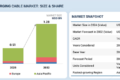
The Japan wound care market is a rapidly growing sector primarily driven by one of the world’s most significant aging populations and a rising prevalence of chronic conditions such as diabetes and obesity. The landscape is characterized by a strong shift toward advanced wound care solutions, including hydrogels, foam dressings, and negative pressure wound therapy, to manage complex chronic wounds like diabetic foot ulcers and pressure sores. While global leaders like Smith and Nephew, 3M, and Medtronic maintain a strong presence, the market remains highly competitive with active participation from domestic firms such as Nichiban and Terumo. Technological advancements, particularly the integration of telemedicine and digital monitoring, are decentralizing care and expanding the home healthcare segment. Despite challenges like the high cost of advanced materials and regional disparities in access between urban centers and rural areas, the market is supported by favorable government reimbursement policies and a robust healthcare infrastructure focused on improving patient outcomes and reducing infection rates.
Key Drivers, Restraints, Opportunities, and Challenges in the Japan Wound Care Market
The Japan wound care market is primarily driven by a super-aging population and the rising prevalence of chronic conditions like diabetes and obesity, which significantly increase the incidence of pressure ulcers and diabetic foot ulcers. Technological advancements, such as the integration of AI, robotics, and bioelectronic dressings, along with proactive government support through the Society 5.0 initiative, further propel growth by improving healing efficiency and addressing acute labor shortages. However, the market faces significant restraints, including the high capital cost of advanced treatments, limited reimbursement coverage for newer therapies, and stringent regulatory approval processes. Opportunities for expansion lie in the development of bioactive wound dressings, the adoption of telemedicine for remote monitoring, and the shift toward personalized, minimally invasive care. Despite these prospects, the industry must navigate challenges such as a shortage of trained wound care specialists, potential cybersecurity risks in digital health systems, and the need for fundamental organizational redesign to realize the return on investment from cutting-edge medical technologies.
Customer Segmentation, Needs, Preferences, and Buying Behavior in the Japan Wound Care Market
The target customers for the Japan wound care market primarily include hospitals, specialized clinics, long-term care facilities, and an expanding home-care segment. These customers prioritize clinical efficacy, ease of use, and moisture management to address the complex needs of a rapidly aging population suffering from chronic conditions like pressure ulcers and diabetic foot ulcers. Institutional buyers, particularly hospitals which dominate the market share, prefer advanced wound care products such as antimicrobial dressings and negative pressure wound therapy to reduce infection risks and hospitalization times. Meanwhile, the growing home-care sector is driven by a preference for user-friendly, cost-effective solutions that allow for patient-centered treatment outside traditional clinical settings. Across all segments, purchasing behavior is increasingly influenced by government reimbursement policies and a demand for innovative materials, such as bioengineered skin substitutes and smart dressings, that offer faster healing times for long-term wound management.
Regulatory, Technological, and Economic Factors Impacting the Japan Wound Care Market
The Japan wound care market is significantly influenced by a complex interplay of regulatory, technological, and economic factors that shape entry and long-term profitability. From a regulatory perspective, the market is characterized by strict quality standards and rigorous approval processes managed by the Ministry of Health, Labour and Welfare, which ensure product safety but can also delay the introduction of new products. Technologically, the integration of bioelectronic dressings, negative pressure wound therapy, and AI-driven telemedicine is driving market expansion by improving diagnostic accuracy and healing outcomes, though these advancements necessitate significant research and development investment. Economically, while the rising prevalence of chronic wounds among an aging population sustains high demand, the substantial cost of advanced wound care products and complexities in reimbursement policies can restrain profitability and limit adoption in rural or budget-constrained healthcare settings.
Current and Emerging Trends in the Japan Wound Care Market
The Japan wound care market is undergoing a rapid evolution driven by the integration of digital health technologies and a strategic shift toward advanced, specialized treatments for an aging population. Key emerging trends include the rising adoption of telemedicine and smart wound monitoring devices, which are helping to decentralize care and address disruptions caused by the COVID-19 pandemic. There is a significant move toward advanced enzymatic therapies for burns and the use of bioactive products, antimicrobial dressings, and negative pressure wound therapy (NPWT) to manage the increasing prevalence of diabetic foot ulcers and pressure sores. These trends are evolving quickly, supported by a growing focus on direct distribution models and favorable government reimbursement policies, with segments like advanced wound dressings projected to grow at a CAGR of 5.5% as healthcare providers prioritize faster, more cost-effective healing solutions.
Technological Innovations and Disruption Potential in the Japan Wound Care Market
Technological innovations such as bioactive dressings, antimicrobial treatments, and bioengineered wound care materials like artificial dermis are gaining significant traction and are poised to disrupt the Japan wound care market by enhancing healing outcomes for chronic and severe wounds. The integration of digital health technologies, including AI-based wound monitoring systems and image-based analytics, is transforming the industry by enabling clinicians to track healing progress, detect infection risks, and adjust treatment plans remotely. Additionally, advanced modalities like negative pressure wound therapy (NPWT), smart dressings with integrated sensors, and regenerative therapies are increasingly adopted to manage complex wounds more efficiently. These advancements, coupled with the rise of telemedicine and connected devices, are shifting the market toward a more personalized and data-driven approach to wound management.
Short-Term vs. Long-Term Trends in the Japan Wound Care Market
In the Japan wound care market, the significant disruptions caused by the COVID-19 pandemic, such as the 61% reduction in diabetic foot care services, are viewed as short-term phenomena that have largely stabilized. In contrast, several other trends represent long-term structural shifts driven by fundamental demographic and technological changes. The move toward home-based care and the integration of telemedicine are permanent transformations, accelerated by the pandemic but sustained by the needs of an aging population. Similarly, the shift from traditional dressings to advanced wound care solutions, such as bioactive products, negative pressure wound therapy, and antimicrobial dressings, is an enduring structural change fueled by the increasing prevalence of chronic conditions like diabetic foot ulcers and pressure sores. Other lasting shifts include the adoption of smart monitoring devices and the government’s focus on preventive wound management protocols to reduce long-term healthcare expenditures.