The large format printer market has been witnessing steady growth, driven by increasing demand from various industries such as advertising, construction, textiles, and interior design. These printers, capable of producing high-quality prints on larger surfaces, have become essential tools for businesses looking to create impactful visual displays, signage, and customized materials. This article explores the current market dynamics, emerging trends, key drivers, and the future outlook for large format printers.
Understanding Large Format Printers
Large format printers are specialized printing devices designed to print on substrates wider than the standard 24 inches. They are widely used for printing posters, banners, wallpapers, vehicle wraps, architectural blueprints, and textiles. These printers support a variety of printing technologies including inkjet, dye-sublimation, UV, and solvent printing, each suited for different applications and materials.
Market Drivers Fueling Growth
The global large format printer industry is projected to grow from USD 7.94 billion in 2025 to USD 10.36 billion by 2030, growing at a CAGR of 5.5%. One of the primary factors driving growth in the large format printer market is the surge in demand for outdoor and indoor advertising. Businesses are increasingly relying on eye-catching banners, billboards, and retail signage to attract consumers and promote brand visibility. Moreover, the rise of e-commerce has boosted the packaging and labeling segment, where large format printers are used to create customized packaging solutions.
The architecture, engineering, and construction (AEC) industry is another key driver. Large format printers are indispensable for producing detailed blueprints, construction plans, and maps that require precision and large-scale formats. Additionally, advancements in textile printing have enabled designers and manufacturers to create vibrant, customized fabrics and apparel, further expanding the market.
Download PDF Brochure @ https://www.marketsandmarkets.com/pdfdownloadNew.asp?id=523
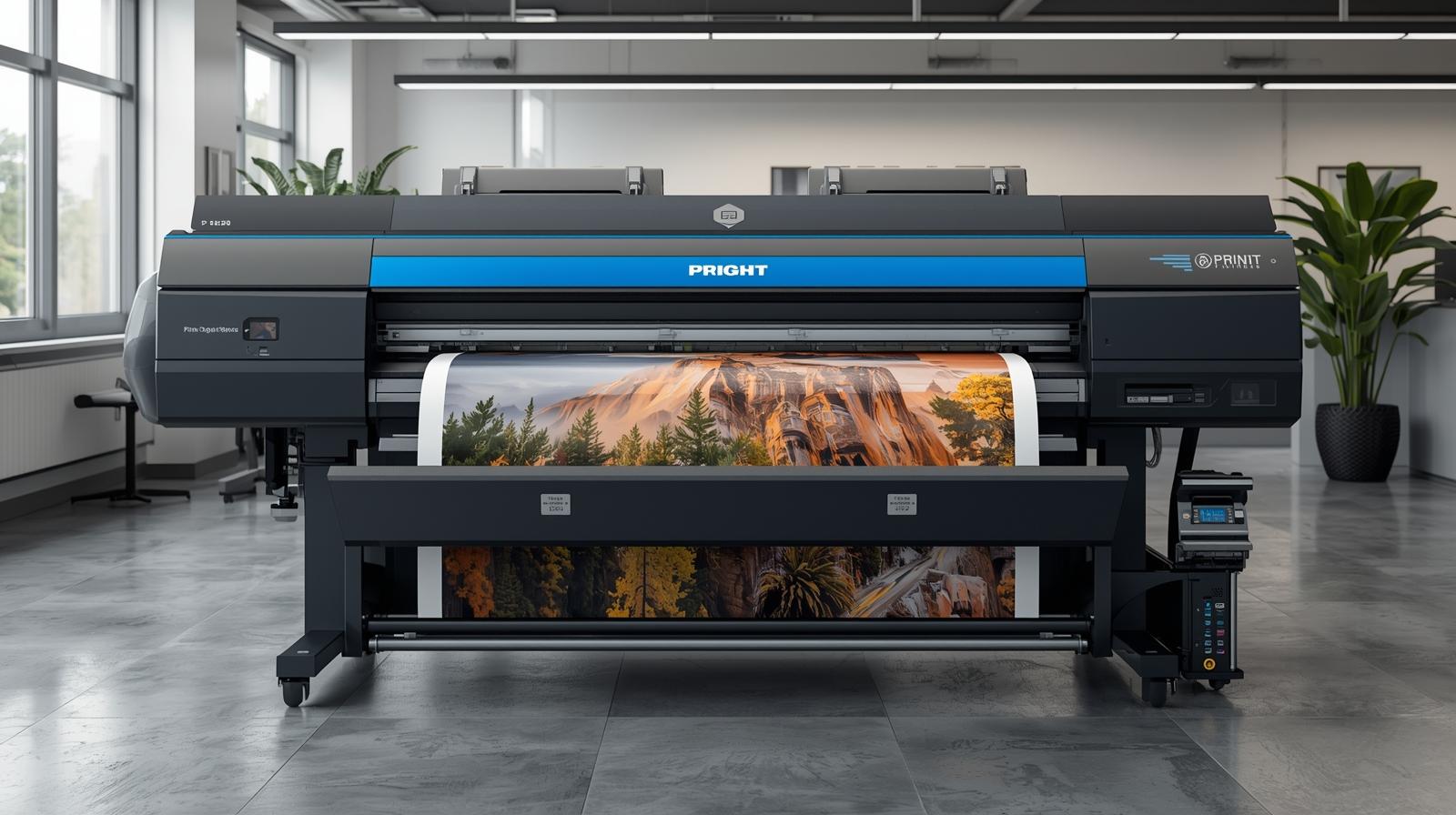
Technological Advancements
Recent technological innovations have enhanced the capabilities and efficiency of large format printers. The introduction of eco-friendly inks, such as water-based and UV-curable inks, has addressed environmental concerns while ensuring durability and high print quality. Furthermore, developments in printing speed and resolution allow businesses to meet tight deadlines without compromising quality.
Integration of automation and software solutions has also improved workflow management, enabling users to handle complex print jobs with greater ease. Some printers now incorporate smart sensors and IoT capabilities for real-time monitoring and maintenance, reducing downtime and operational costs.
Regional Insights
North America and Europe currently dominate the large format printer market due to the presence of well-established advertising industries, high adoption of advanced technologies, and significant investments in infrastructure development. However, the Asia-Pacific region is expected to witness the fastest growth, driven by rapid urbanization, growing retail sectors, and increasing government initiatives to promote smart cities.
Emerging economies like China, India, and Southeast Asian countries are investing heavily in infrastructure projects, boosting demand for architectural and engineering prints. Additionally, the growing fashion and textile industry in these regions is contributing to the adoption of large format textile printers.
Challenges Facing the Market
Despite promising growth prospects, the large format printer market faces several challenges. The high initial cost of advanced printers can be a barrier for small and medium-sized enterprises (SMEs). Furthermore, the need for skilled operators to manage sophisticated printing equipment may limit adoption in some regions.
Environmental regulations related to ink disposal and emissions also pose challenges, prompting manufacturers to develop greener technologies. Lastly, the rise of digital advertising and virtual marketing platforms presents competition to traditional large format printing.
Future Outlook
Looking ahead, the large format printer market is poised for continued expansion, fueled by innovation and diversification across industries. The adoption of hybrid printing technologies combining different ink systems is likely to increase, offering greater versatility and quality. Moreover, the demand for personalized and short-run prints will drive growth, supported by advancements in digital printing techniques.
Sustainability will remain a key focus, with manufacturers investing in eco-friendly inks, recyclable materials, and energy-efficient printers. As smart city projects and infrastructure development accelerate globally, large format printers will play a crucial role in delivering large-scale visual communication solutions.
The large format printer market is evolving rapidly, shaped by technological advancements, expanding applications, and shifting consumer demands. While challenges exist, ongoing innovation and regional market growth offer significant opportunities for manufacturers and end-users alike. As businesses increasingly seek impactful visual communication and customization, large format printing is set to remain an essential industry cornerstone in the years to come.
Investor FAQ: Large Format Printer Market
1. What is the current size and growth potential of the large format printer market?
The large format printer market is growing steadily, driven by increasing demand in advertising, construction, textile, and retail sectors. Large Format Printer Industry worth $10.36 billion by 2030
2. What are the key factors fueling market growth?
Key growth drivers include rising demand for high-impact advertising solutions, the expansion of smart cities and infrastructure projects, technological advancements in printing methods, and growing adoption in textile and packaging industries.
3. Which regions offer the most promising investment opportunities?
While North America and Europe currently hold the largest market shares, Asia-Pacific is expected to exhibit the highest growth rate. Rapid industrialization, government initiatives for urban development, and expanding retail sectors in countries like China, India, and Southeast Asia create lucrative investment prospects.
4. What are the main risks or challenges investors should consider?
High initial capital expenditure for advanced printing equipment, the need for skilled labor, environmental compliance costs, and competition from digital advertising platforms could impact profitability. Additionally, market fluctuations due to raw material prices and economic slowdowns are risks to monitor.
