The North America IoT (Internet of Things) sensors market is at the forefront of digital transformation, enabling data-driven decision-making across virtually every sector. As industries embrace smart systems, connected infrastructure, and automation, the role of IoT sensors has become increasingly pivotal. From enhancing operational efficiency to enabling real-time analytics, IoT sensors are shaping a more intelligent and responsive industrial and consumer ecosystem.
Market Landscape and Growth Projections
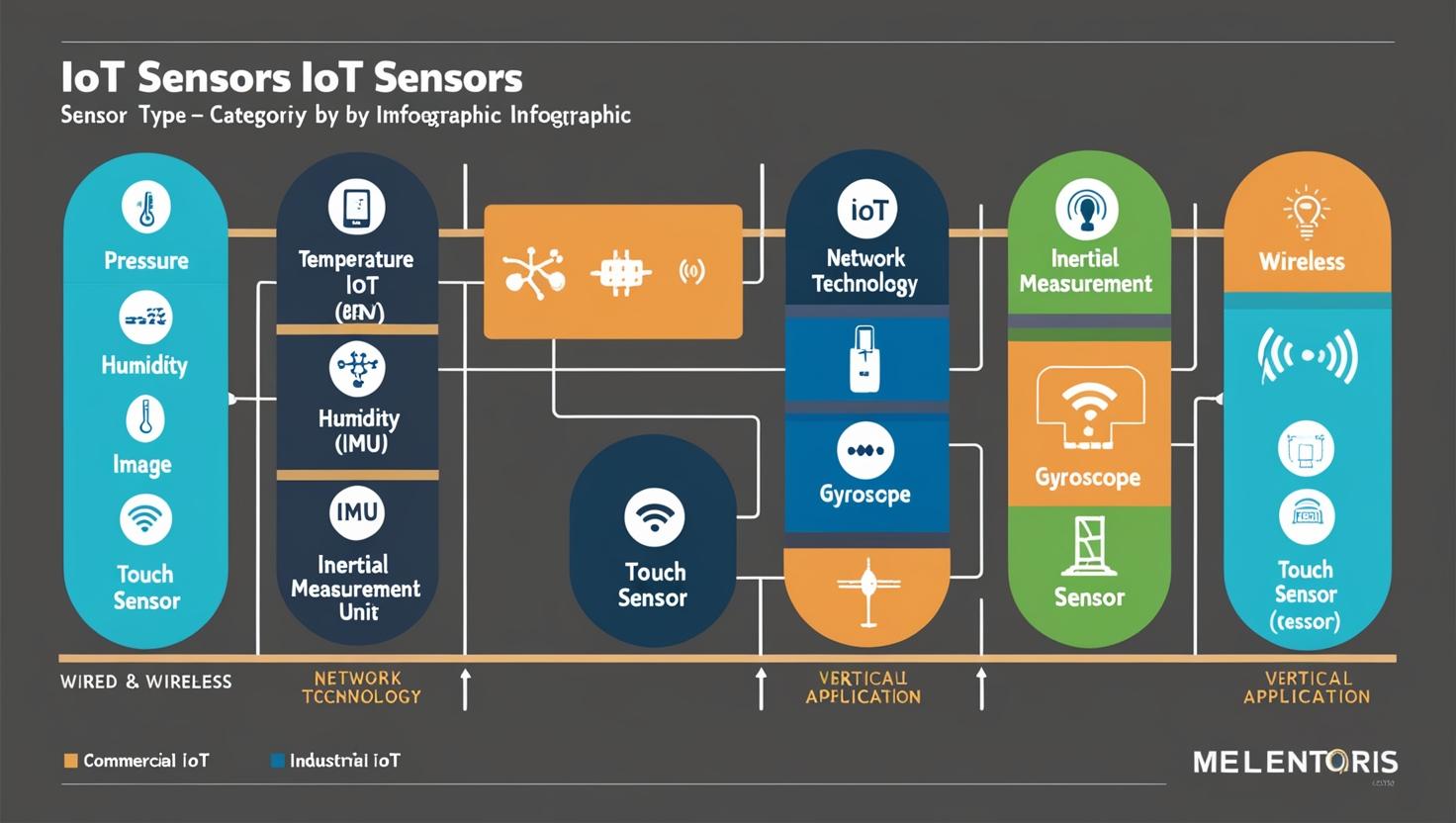
The North American IoT sensors market is experiencing accelerated growth, supported by technological innovation, policy incentives, and increasing connectivity demands.
The United States dominates the regional market due to its strong innovation base, widespread industrial digitization, and early adoption of emerging technologies like 5G and AI. Canada is also gaining traction, particularly in smart agriculture, mining, and healthcare.
Key Drivers of Market Growth
1. Expansion of Smart City Projects
Governments across North America are investing heavily in smart infrastructure—intelligent traffic control, energy management systems, and public safety networks. These initiatives are heavily dependent on large networks of sensors to gather and transmit real-time data.
2. Industrial Internet of Things (IIoT)
Manufacturing, oil & gas, utilities, and logistics are leveraging IIoT technologies to monitor equipment, reduce downtime, and enhance productivity. IoT sensors such as pressure, gas, and vibration sensors are used in predictive maintenance and real-time process control.
3. Healthcare Digitization
In the wake of the COVID-19 pandemic, remote patient monitoring and smart diagnostics have surged. IoT sensors in medical wearables and telemedicine devices collect critical health metrics like heart rate, oxygen levels, and body temperature—enabling timely interventions and reducing hospital visits.
4. Growth in Connected Consumer Devices
Smart homes, appliances, and wearable electronics are becoming mainstream in North America. From thermostats to security systems, these products rely on motion, light, and environmental sensors for automation and control.
Types of IoT Sensors in Use
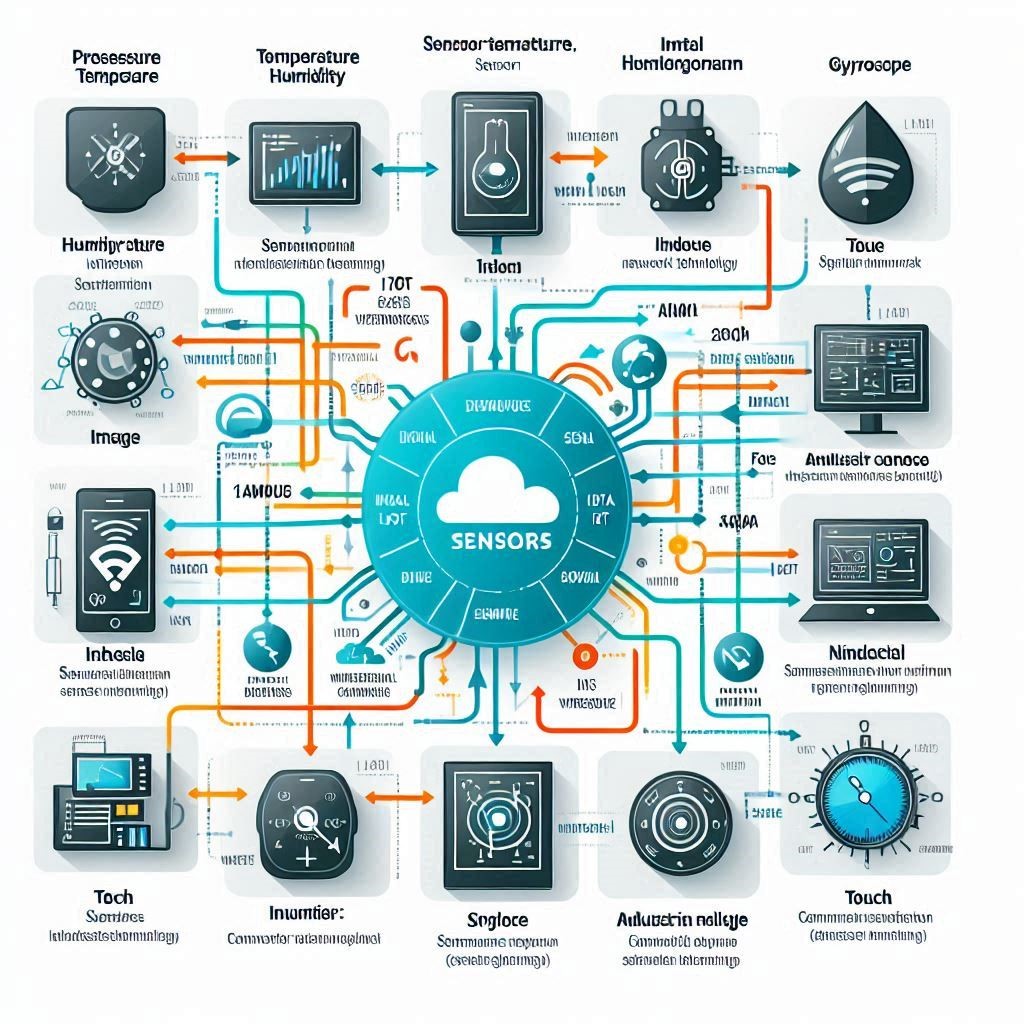
Temperature Sensors – Used in HVAC systems, medical devices, and industrial processes.
- Proximity Sensors – Integral to retail analytics, robotics, and vehicle assistance systems.
- Pressure Sensors – Common in aerospace, automotive, and water management systems.
- Gas and Chemical Sensors – Crucial for pollution monitoring, mining, and manufacturing.
- Motion and Accelerometer Sensors – Essential for wearables, gaming, and surveillance.
- Image Sensors – Used in security cameras, facial recognition systems, and robotics.
Download PDF Brochure @ https://www.marketsandmarkets.com/pdfdownloadNew.asp?id=26520972
Technological Innovations in the Market
1. Integration with Edge Computing
Edge computing allows IoT sensors to process data locally instead of relying entirely on cloud infrastructure. This reduces latency, enhances speed, and ensures critical decisions can be made in real time—essential in applications like autonomous vehicles or emergency response systems.
2. Sensor Fusion and AI Integration
Sensor fusion combines data from multiple sensor types to generate richer insights. For example, combining visual data with motion sensors improves accuracy in robotics. When paired with AI algorithms, this fusion allows for more complex pattern recognition and anomaly detection.
3. Miniaturization and Flexible Sensors
Technological advancements are enabling the development of microelectromechanical systems (MEMS) and flexible sensors. These can be embedded into wearables, fabrics, and hard-to-reach machinery, opening new use cases in healthcare, defense, and consumer electronics.
4. Energy Harvesting Sensors
One of the key challenges in IoT deployment is battery life. Innovative solutions like energy harvesting sensors—powered by solar, vibration, or temperature differentials—are emerging to create low-maintenance, long-life sensor networks.
Key Application Areas in North America
Manufacturing and Industry 4.0
Smart factories rely on IoT sensors for condition-based monitoring, robotics, and quality control. The use of digital twins—virtual replicas of physical systems—relies heavily on sensor data to simulate real-world conditions.
Transportation and Automotive
Advanced Driver Assistance Systems (ADAS), connected vehicles, and fleet tracking systems all rely on sensors to monitor speed, proximity, lane positions, and fuel efficiency. V2X (Vehicle-to-Everything) communication systems are heavily sensor-driven.
Energy and Utilities
Smart grids, oil rigs, and renewable energy installations use sensors for real-time monitoring of electricity flow, equipment condition, and environmental parameters. This improves efficiency and enhances disaster readiness.
Retail and Logistics
Retailers use sensors for inventory tracking, customer behavior analysis, and contactless payments. In logistics, sensors monitor location, temperature (cold chains), and package condition throughout the supply chain.
Challenges and Restraints
1. Data Security and Privacy
IoT sensors generate massive amounts of data, some of which is sensitive (e.g., health data, location tracking). Protecting this data from breaches and ensuring compliance with privacy laws like GDPR and CCPA is a growing concern.
2. Interoperability and Standardization
The lack of universal communication standards makes it difficult to integrate sensors from different manufacturers. This leads to system inefficiencies and increased deployment costs.
3. High Initial Costs and ROI Concerns
While IoT sensors drive long-term savings, the initial cost of deployment, integration, and infrastructure upgrades can be significant—especially for small and medium-sized businesses.
4. Power and Maintenance Constraints
Battery-operated sensors require regular maintenance or recharging. In remote or industrial environments, ensuring consistent power supply remains a challenge.
Future Outlook and Opportunities
The future of the IoT sensors market in North America is strongly positive, driven by:
Widespread 5G adoption, which will enable ultra-low-latency sensor networks.
Smart healthcare expansion, including AI-powered diagnostics and remote surgery support.
Climate-focused monitoring, such as smart agriculture, air quality sensors, and water management.
Increased investment in smart defense and aerospace systems leveraging IoT for real-time situational awareness.
Collaborations between tech companies, governments, and academic institutions will continue to drive innovation and ensure that North America remains at the forefront of IoT sensor development and deployment.
The North American IoT sensors market is rapidly evolving as industries seek smarter, more connected systems. With technological innovation and digital infrastructure as strong enablers, the region is well-positioned to lead the global IoT movement. While challenges persist, particularly around integration and data security, the momentum is clear. IoT sensors will continue to power the future of everything—from how we work and travel to how we live and heal.
