The world of computing stands on the brink of a monumental transformation. Quantum computing, once a purely theoretical concept, is rapidly emerging as a revolutionary technology with the potential to redefine industries and solve complex problems beyond the reach of classical computers. As research advances and commercial applications begin to take shape, the quantum computing industry is positioning itself as a cornerstone of the future technological landscape.
Understanding Quantum Computing
Quantum computing leverages the principles of quantum mechanics to process information in fundamentally new ways. Unlike classical computers that use bits represented as 0s or 1s, quantum computers use quantum bits, or qubits, which can exist in multiple states simultaneously through a phenomenon known as superposition. Additionally, qubits can be entangled, creating correlations that allow quantum computers to process vast amounts of data in parallel.
This unique capability allows quantum computers to tackle problems that are currently intractable for classical systems, including complex optimization tasks, molecular simulations, cryptographic analysis, and more.
Industry Drivers and Market Growth
Several factors are propelling the growth of the quantum computing industry. First, the increasing complexity of data and computational problems across fields like pharmaceuticals, finance, materials science, and logistics demands more powerful computing solutions. Quantum computers promise to accelerate innovation by providing unprecedented processing power.
Second, investments from governments, technology giants, and venture capitalists are fueling rapid advancements. Countries recognize quantum computing as a strategic priority due to its potential impact on national security and economic competitiveness. Meanwhile, tech companies are actively developing hardware, software, and cloud-based quantum services to commercialize this emerging technology.
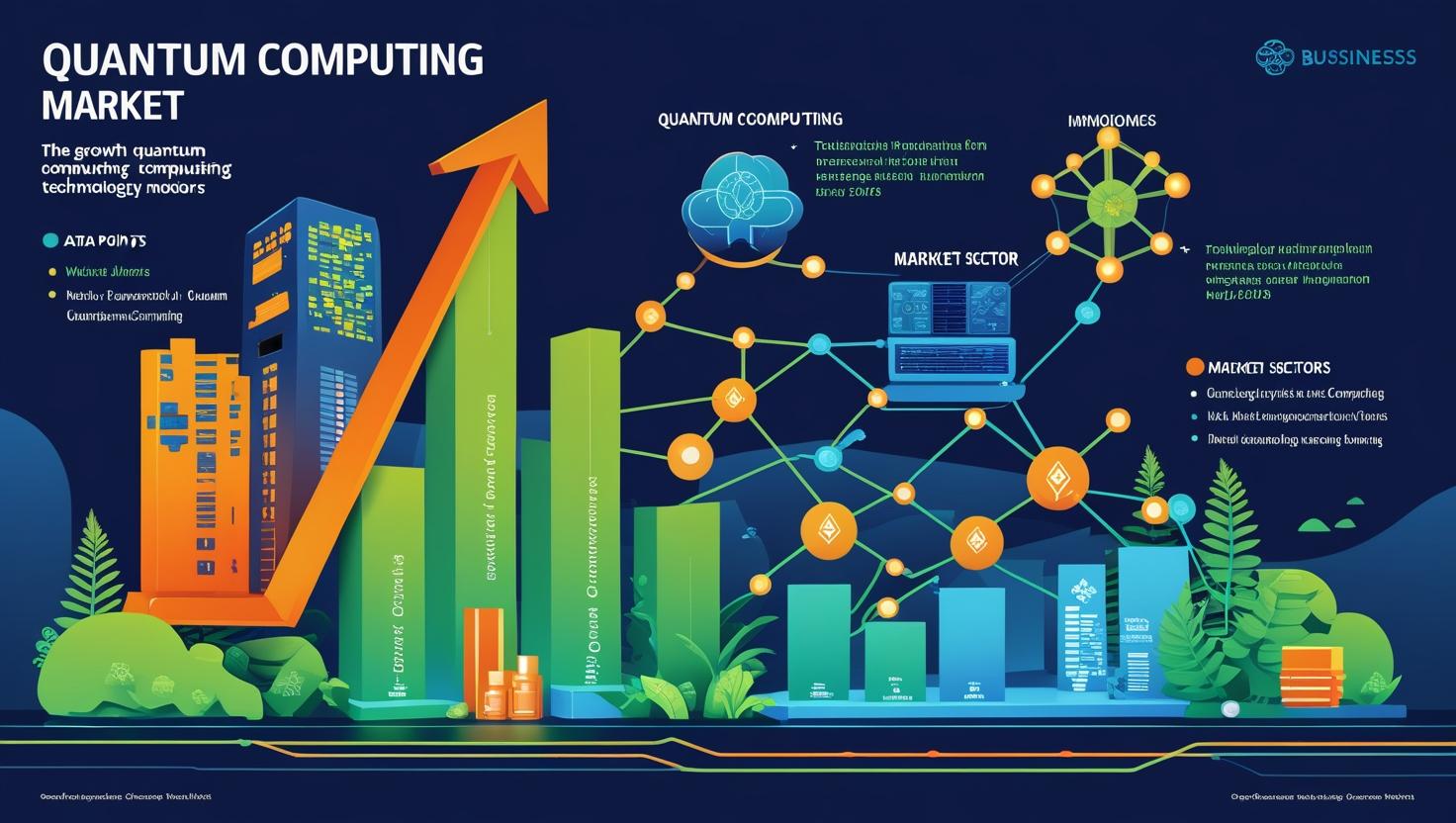
The quantum computing market is projected to grow at a robust pace over the next decade, with significant expansions in hardware capabilities, quantum algorithms, and ecosystem development.
Download PDF Brochure @ https://www.marketsandmarkets.com/pdfdownloadNew.asp?id=144888301
Applications Transforming Industries
Quantum computing’s potential applications are vast and varied. In pharmaceuticals, quantum simulations can model complex molecules and reactions, speeding up drug discovery and reducing development costs. In finance, quantum algorithms can optimize trading strategies, risk analysis, and portfolio management.
The energy sector can benefit from quantum computing by optimizing grid management and material design for better batteries and solar cells. Logistics companies stand to improve route optimization and supply chain management, enhancing efficiency and reducing costs.
Moreover, quantum computing is set to revolutionize cybersecurity by enabling both the development of quantum-resistant encryption and the potential to break current cryptographic systems, highlighting the urgency for quantum-safe security solutions.
Challenges and the Road Ahead
Despite its promise, quantum computing faces significant technical and practical challenges. Building stable, scalable qubits that can maintain coherence long enough for complex computations remains a hurdle. Error correction, hardware manufacturing, and developing practical quantum algorithms are ongoing areas of intense research.
Furthermore, integrating quantum computing into existing IT infrastructures and developing talent skilled in quantum technologies are necessary for widespread adoption.
Nonetheless, progress continues at a rapid pace, with startups, academia, and established corporations collaborating to overcome these challenges. Hybrid quantum-classical models and cloud-based quantum computing platforms are helping bridge gaps and democratize access.
The quantum computing industry is not just an incremental improvement in technology—it represents a paradigm shift with the potential to revolutionize computing itself. As quantum machines become more powerful and accessible, they will unlock new possibilities across science, industry, and security.
Investors, businesses, and governments are keenly aware that quantum computing will shape the future, making it one of the most exciting and transformative fields in technology today. Staying informed and engaged with quantum advancements will be essential to harnessing its full potential.
Frequently Asked Questions (FAQ) — Quantum Computing Industry
1. What is quantum computing, and how does it differ from classical computing?
Quantum computing uses quantum bits (qubits) that can represent multiple states simultaneously, enabling massively parallel processing. This contrasts with classical computing’s binary bits, allowing quantum computers to solve complex problems more efficiently.
2. Why is the quantum computing industry considered revolutionary?
Quantum computing has the potential to solve problems that are currently impossible or take too long for classical computers, transforming industries such as pharmaceuticals, finance, cybersecurity, and logistics by enabling faster innovation and optimization.
3. What are the main drivers behind the growth of the quantum computing market?
Growth is fueled by rising demand for advanced computing solutions, increased investments by governments and tech companies, and the strategic importance of quantum technologies for national security and economic competitiveness.
4. Which industries are expected to benefit most from quantum computing?
Key industries include pharmaceuticals (for drug discovery), finance (for risk analysis and trading), energy (for grid optimization), logistics (for supply chain efficiency), and cybersecurity (for encryption and threat detection).
