As the world accelerates its transition to sustainable energy, the SCADA for renewable market growth is poised for exponential growth. Supervisory Control and Data Acquisition (SCADA) systems—once considered standard in traditional energy operations—are now at the core of managing and optimizing renewable energy sources like solar, wind, and hydro. These intelligent control systems are rapidly becoming essential tools in building a more resilient, efficient, and data-driven clean energy future.
The Role of SCADA in Renewable Energy
SCADA systems allow operators to monitor, control, and analyze energy assets remotely. In renewable energy, where generation is often decentralized and highly variable, SCADA systems ensure performance optimization, fault detection, and real-time decision-making.
Whether it’s monitoring wind turbine speed, solar panel output, or battery storage capacity, SCADA platforms offer the actionable insights needed to maintain grid stability and maximize energy yield. As more renewable plants come online across the globe, the need for robust and intelligent control infrastructure is pushing the SCADA for renewable market growth forward.
Why the Market is Growing Now
Several global trends are converging to accelerate the SCADA for renewable market growth:
1. Expanding Renewable Energy Capacity:
Countries are committing to aggressive climate targets, with solar and wind capacity seeing record-level installations year after year. SCADA is necessary to efficiently manage these installations, particularly as they grow in scale and complexity.
2. Need for Real-Time Visibility and Control:
Unlike traditional power plants, renewable energy systems face more volatility due to weather dependency. SCADA systems help mitigate these risks through predictive maintenance, data analytics, and remote control, keeping operations smooth and reliable.
3. Grid Modernization and Smart Integration:
Utilities and grid operators are modernizing their infrastructure to handle distributed energy resources (DERs). SCADA plays a critical role in integrating these assets into the grid securely and intelligently, ensuring grid stability even as the energy mix diversifies.
Download PDF Brochure @ https://www.marketsandmarkets.com/pdfdownloadNew.asp?id=18400746
4. Government Support and Clean Energy Investment:
Public policy and private capital are fueling renewable energy expansion—and with it, the demand for digital infrastructure. As clean energy projects receive more funding, SCADA implementation becomes a necessary line item.
SCADA in Action: Wind, Solar, and Beyond
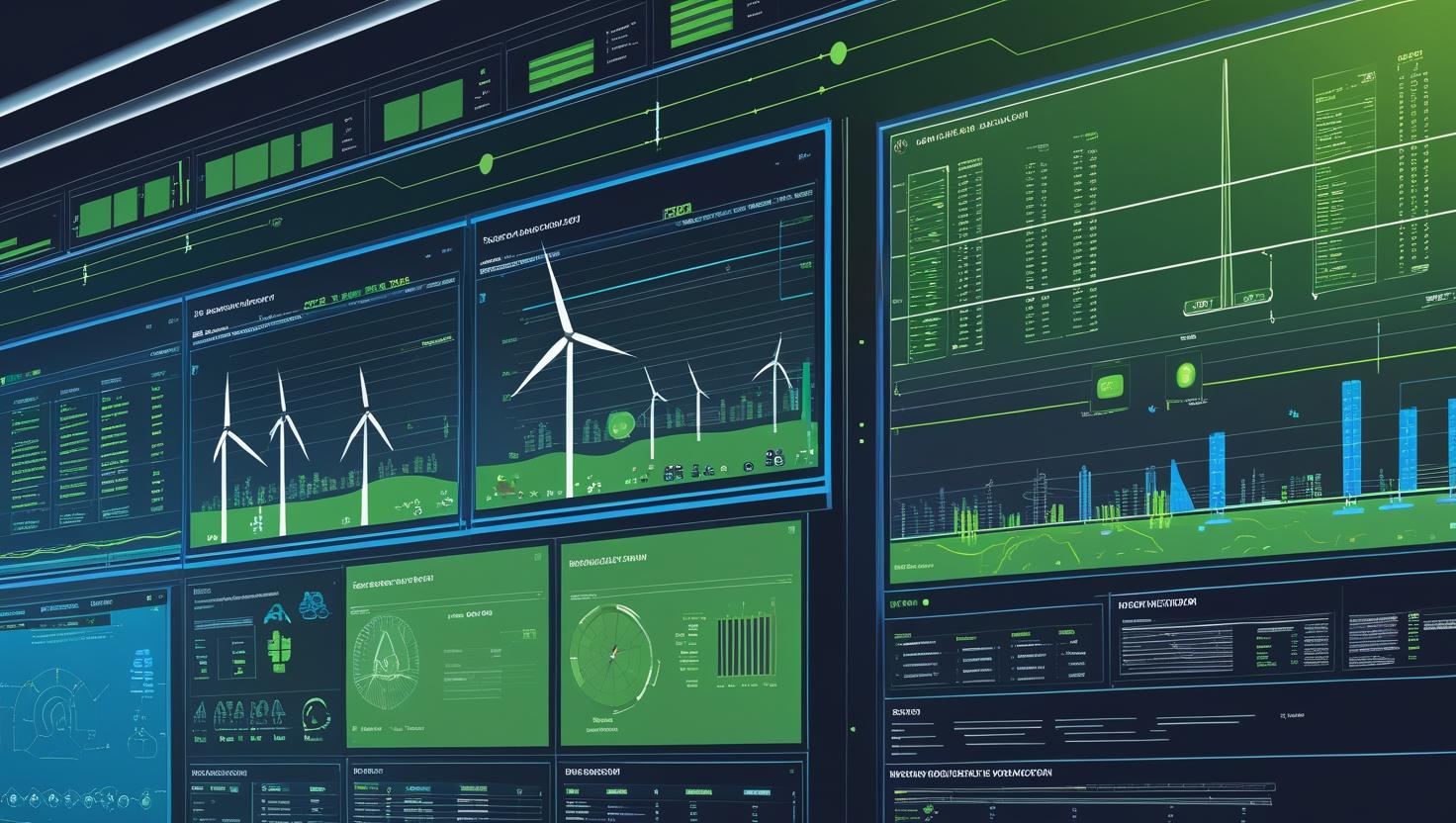
In wind farms, SCADA systems continuously monitor turbine performance, track wind patterns, and alert operators to maintenance needs—often before a fault occurs. In solar farms, they analyze panel output across inverters and help optimize energy dispatch based on daylight hours and storage availability.
Beyond generation, SCADA is also becoming critical in energy storage systems, microgrids, and hybrid renewable installations, providing unified control over diverse and distributed assets.
Regional Growth Outlook
The SCADA for renewable market growth is strongest in regions aggressively expanding their renewable capacity:
- North America is advancing grid-scale wind and solar projects and retrofitting older SCADA systems with advanced IoT capabilities.
- Europe leads in offshore wind and regulatory support for grid integration technologies.
- Asia-Pacific, particularly China and India, is investing heavily in renewable infrastructure and requires scalable SCADA solutions to manage rapid development.
Emerging markets in Latin America, Africa, and the Middle East are also adopting SCADA as part of their energy leapfrogging efforts—digitizing from the outset to avoid the inefficiencies of legacy systems.
The Road Ahead: Smarter, Greener, More Connected
As clean energy becomes the dominant force in the global energy mix, SCADA systems will evolve from passive monitoring tools to active decision-making engines. With the integration of artificial intelligence, machine learning, and real-time analytics, tomorrow’s SCADA platforms will not just manage data—they’ll learn from it, optimize it, and act on it.
In this environment, the SCADA for renewable market growth is not just a trend—it’s a foundational pillar for the future of global energy.
The clean energy revolution is well underway, and SCADA systems are rising alongside it as indispensable infrastructure. As solar panels, wind turbines, and storage units multiply across landscapes and rooftops, the ability to monitor and manage them with intelligence and precision becomes mission-critical.
For utilities, developers, and investors looking to ride the wave of the energy transition, the SCADA for renewable market represents both a necessity and an opportunity—with growth that shows no signs of slowing through 2030 and beyond.
FAQ – SCADA for Renewable Market Growth
1. What is SCADA in the context of renewable energy?
SCADA (Supervisory Control and Data Acquisition) refers to software and hardware systems that monitor and control industrial processes. In renewable energy, SCADA is used to remotely monitor, manage, and optimize operations in solar farms, wind farms, hydro plants, and energy storage systems.
2. Why is SCADA important for renewable energy projects?
Renewable energy sources are variable and distributed by nature. SCADA systems enable real-time visibility, fault detection, performance analytics, and automation—helping operators maximize efficiency, reduce downtime, and ensure stable grid integration.
3. What’s driving the SCADA for renewable market growth?
Key growth drivers include the global shift toward clean energy, increased deployment of solar and wind infrastructure, advancements in IoT and AI, smart grid initiatives, and government investments in sustainable infrastructure.
4. Which renewable energy segments use SCADA the most?
SCADA is widely used in wind farms (onshore and offshore), solar PV plants, hydroelectric stations, and increasingly in energy storage and hybrid microgrid systems. Each benefits from real-time monitoring and performance optimization.
About MarketsandMarkets™
MarketsandMarkets™ has been recognized as one of America’s Best Management Consulting Firms by Forbes, as per their recent report.
MarketsandMarkets™ is a blue ocean alternative in growth consulting and program management, leveraging a man-machine offering to drive supernormal growth for progressive organizations in the B2B space. With the widest lens on emerging technologies, we are proficient in co-creating supernormal growth for clients across the globe.
Today, 80% of Fortune 2000 companies rely on MarketsandMarkets, and 90 of the top 100 companies in each sector trust us to accelerate their revenue growth. With a global clientele of over 13,000 organizations, we help businesses thrive in a disruptive ecosystem.
The B2B economy is witnessing the emergence of $25 trillion in new revenue streams that are replacing existing ones within this decade. We work with clients on growth programs, helping them monetize this $25 trillion opportunity through our service lines – TAM Expansion, Go-to-Market (GTM) Strategy to Execution, Market Share Gain, Account Enablement, and Thought Leadership Marketing.
Built on the ‘GIVE Growth’ principle, we collaborate with several Forbes Global 2000 B2B companies to keep them future-ready. Our insights and strategies are powered by industry experts, cutting-edge AI, and our Market Intelligence Cloud, KnowledgeStore™, which integrates research and provides ecosystem-wide visibility into revenue shifts.
To find out more, visit www.MarketsandMarkets™.com or follow us on Twitter , LinkedIn and Facebook .
Contact:
Mr. Rohan Salgarkar
MarketsandMarkets™ INC.
1615 South Congress Ave.
Suite 103, Delray Beach, FL 33445
USA: +1-888-600-6441
Visit Our Website: https://www.marketsandmarkets.com/

