Sustainable manufacturing is transforming the industrial landscape, enabling businesses to reduce environmental impact while enhancing efficiency and profitability. As industries strive to meet stringent environmental regulations and rising consumer expectations, technological innovations are playing a crucial role in shaping the future of green industrial practices. From renewable energy adoption to AI-driven smart manufacturing, cutting-edge advancements are making sustainability an achievable goal.
This article explores the latest innovations driving sustainable manufacturing and their impact on industries worldwide.
Download PDF Brochure @ https://www.marketsandmarkets.com/pdfdownloadNew.asp?id=140349832
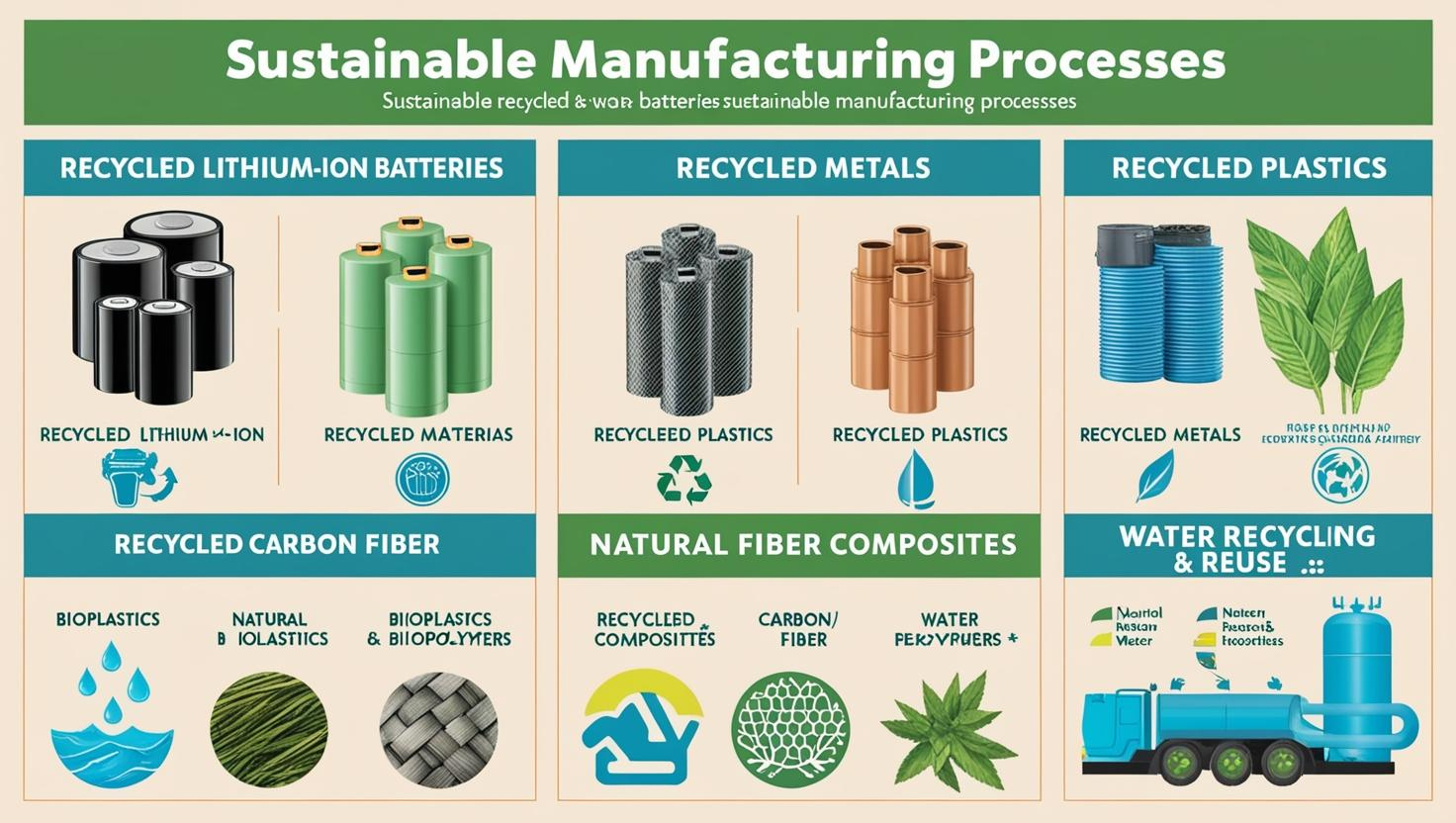
Key Innovations in Sustainable Manufacturing
1. Adoption of Renewable Energy Sources
One of the most significant innovations in sustainable manufacturing is the transition from fossil fuels to renewable energy. Manufacturers are increasingly using solar, wind, and hydroelectric power to reduce carbon emissions. Companies like Tesla and Apple have already committed to operating entirely on renewable energy, setting an example for others in the industry.
Additionally, advancements in energy storage solutions such as lithium-ion and solid-state batteries allow manufacturers to maintain energy efficiency even when renewable sources fluctuate.
2. Smart Manufacturing and Industry 4.0
The integration of Industry 4.0 technologies, including the Internet of Things (IoT), Artificial Intelligence (AI), and machine learning, is revolutionizing manufacturing sustainability. Smart factories use real-time monitoring systems to optimize energy consumption, minimize waste, and improve production efficiency.
For example:
- Predictive maintenance using AI reduces machine downtime and prevents unnecessary resource wastage.
- Digital twins create virtual models of physical systems, enabling manufacturers to test sustainability strategies before implementing them.
- IoT sensors track emissions, water usage, and energy consumption to help companies meet environmental compliance standards.
3. Circular Economy and Waste Reduction Technologies
A shift from a linear economy (produce, use, dispose) to a circular economy is gaining momentum in manufacturing. Companies are increasingly focusing on recycling, reusing, and repurposing materials to create closed-loop production systems.
Innovations driving this trend include:
- Advanced recycling technologies, such as chemical recycling for plastics, which convert waste into raw materials for new products.
- 3D printing (additive manufacturing), which minimizes material waste by using only the necessary amount of raw material.
- Biodegradable and compostable materials that replace conventional plastics in packaging and consumer goods manufacturing.
4. Green Chemistry and Sustainable Materials
The use of eco-friendly materials and sustainable production processes is another key driver of green industrial practices. Innovations in green chemistry are helping manufacturers develop non-toxic, biodegradable, and energy-efficient alternatives to traditional chemicals.
Examples include:
- Bioplastics, derived from plant-based sources, offering a sustainable alternative to petroleum-based plastics.
- Water-based adhesives and coatings that replace harmful chemical solvents in industrial applications.
- Low-impact dyes and natural fibers in the textile industry, reducing water and chemical usage in fabric production.
5. Carbon Capture and Emission Reduction Technologies
With growing concerns over climate change, industries are investing in carbon capture, utilization, and storage (CCUS) technologies to minimize greenhouse gas emissions.
- Direct air capture (DAC) systems extract CO₂ from the atmosphere for storage or reuse in industrial processes.
- Carbon-neutral production techniques, such as hydrogen-based steelmaking, are emerging as sustainable alternatives to carbon-intensive manufacturing.
6. Water Conservation and Sustainable Manufacturing Processes
Water is a critical resource in manufacturing, and companies are adopting innovations to reduce water usage and waste. Zero Liquid Discharge (ZLD) systems and advanced filtration technologies help industries recycle and reuse water, minimizing environmental impact.
In sectors like textiles and chemicals, low-water dyeing processes and closed-loop water systems are gaining traction to reduce wastewater pollution.

Market Growth and Industry Adoption
The global sustainable manufacturing market is witnessing rapid growth due to increasing environmental regulations, corporate sustainability initiatives, and technological advancements.
Market Trends and Industry Adoption:
- Automotive industry: Major players like Ford and BMW are using sustainable materials and energy-efficient production techniques.
- Electronics industry: Companies such as Dell and HP focus on designing products with recyclable components and eco-friendly packaging.
- Food & beverage industry: Sustainable packaging and waste-to-energy solutions are reducing environmental impact.
- Construction industry: Green building materials, prefabrication, and energy-efficient designs are driving sustainability.
Regional Outlook
- North America and Europe lead the sustainable manufacturing market due to strict environmental regulations and strong investments in green technologies.
- Asia-Pacific is emerging as a key region, with China and India investing in renewable energy and circular economy practices.
- Latin America and the Middle East are gradually adopting sustainable manufacturing practices, supported by global sustainability partnerships.
Innovation is at the core of sustainable manufacturing, helping industries transition to greener and more efficient production processes. From renewable energy integration and smart manufacturing to circular economy practices and green chemistry, advancements in technology are paving the way for a more sustainable future.
