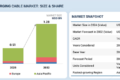
The Switzerland GLP-1 analogues market is an evolving landscape characterized by high standards of clinical care and a significant emphasis on metabolic health. The sector is currently defined by the rapid adoption of breakthrough medications like Eli Lilly’s Mounjaro, which received Swissmedic approval for type 2 diabetes in 2022 and weight management in 2024. A critical driver for the market is the expansion of insurance coverage; as of March 2024, GLP-1 drugs for weight loss are reimbursed by the country’s basic health insurance provided specific clinical criteria are met. While the market is currently dominated by injectable formulations, there is a burgeoning shift toward oral GLP-1 receptor agonists, which are expected to surge in use as they offer a more convenient alternative for patients who prefer pills over injections. Despite these advancements, the landscape remains competitive as pharmaceutical giants like Roche seek to enter the field with novel candidates such as amylin analogues to differentiate through improved side-effect profiles and metabolic benefits. Underpinning this growth is a robust infrastructure for specialized medical care, where key differentiators for success include the degree of weight loss, improvements in cardiovascular and renal function, and competitive pricing per dose.
Key Drivers, Restraints, Opportunities, and Challenges in the Switzerland GLP-1 Analogues Market
The Switzerland GLP-1 analogues market is primarily driven by the rising prevalence of type 2 diabetes and obesity, alongside increasing patient awareness and advancements in drug formulations like long-acting receptor agonists that improve treatment outcomes. Significant growth opportunities exist in the development of oral formulations and multi-agonist therapies that enhance patient convenience, as well as the expansion of clinical indications to include cardiovascular health and chronic kidney disease. However, the market faces notable restraints such as high therapy costs and stringent regulatory requirements that can limit patient access and reimbursement. Key challenges include managing the proliferation of counterfeit and compounded products in the gray market and navigating complex manufacturing requirements for biologic delivery.
Customer Segmentation, Needs, Preferences, and Buying Behavior in the Switzerland GLP-1 Analogues Market
The target customers for the Switzerland GLP-1 analogues market primarily include adults diagnosed with type 2 diabetes and those seeking chronic weight management for obesity, particularly individuals with a BMI of 30 or higher or a BMI of 27 with weight-related comorbidities. These patients prioritize treatment efficacy, especially in suppressing appetite and achieving dramatic weight loss, while increasingly preferring the convenience of emerging oral formulations over traditional injectables to eliminate psychological barriers. Purchasing behavior is heavily influenced by Swissmedic approvals and the national basic health insurance system, which has reimbursed these drugs for weight loss since March 2024 provided strict medical criteria are met. Additionally, a significant segment of the market consists of self-paying consumers whose uptake is driven by price and a strong preference for discreet, easy-to-use delivery methods. Across both diabetic and non-diabetic segments, customers value long-term adherence and informed demand supported by healthcare provider guidance and expanded access through retail and online pharmacies.
Regulatory, Technological, and Economic Factors Impacting the Switzerland GLP-1 Analogues Market
The Switzerland GLP-1 analogues market is shaped by a complex interplay of regulatory, technological, and economic factors that influence entry and profitability. Regulatory oversight by Swissmedic ensures high safety and efficacy standards, with recent approvals for drugs like Mounjaro for both diabetes and weight management facilitating market expansion. Technologically, the market is being transformed by advancements in drug delivery, specifically the shift from injectables to more convenient oral formulations and the development of multi-agonist therapies that target multiple metabolic pathways for superior outcomes. Economically, while Switzerland has the lowest treatment prices among peer countries, profitability and access are heavily influenced by the basic health insurance reimbursement system, which mandates strict clinical criteria such as specific BMI thresholds and co-morbidities. Despite these hurdles, the rising prevalence of type 2 diabetes and obesity, combined with high per-capita uptake of new therapies, sustains strong demand and presents a significant growth opportunity for manufacturers capable of navigating the Swiss healthcare landscape.
Current and Emerging Trends in the Switzerland GLP-1 Analogues Market
The Switzerland GLP-1 analogues market is undergoing a rapid transformation characterized by the introduction of oral formulations and the expansion of therapeutic indications beyond type 2 diabetes into obesity and cardiovascular health. These trends are evolving quickly, as evidenced by the 2024 reimbursement of weight-loss drugs under basic health insurance and the early 2026 launch of oral options like the Wegovy pill, which are expected to drive a surge in use among patients favoring pills over injections. Furthermore, the market is shifting toward long-term structural changes, including the integration of AI-driven personalized care and the emergence of generics to improve access, as the industry moves from specialized escalation therapy to routine chronic intervention. While traditional injectables still hold significant share, the transition toward more convenient, orally delivered biologics and broader insurance coverage is accelerating to meet the needs of a population with a rising metabolic disease burden.
Technological Innovations and Disruption Potential in the Switzerland GLP-1 Analogues Market
Technological innovations in the Switzerland GLP-1 analogues market are centered on the shift from injectable to oral delivery systems, which are expected to significantly disrupt the industry by improving patient adherence and removing barriers like cold-chain logistics and needle-related anxiety. The development of next-generation oral formulations and sublingual versions, alongside advanced peptide engineering to create dual and triple agonists, is enhancing therapeutic efficacy for obesity, type 2 diabetes, and related comorbidities. Furthermore, the integration of artificial intelligence is accelerating drug discovery and clinical trial optimization, while digital health tools and biomarkers are enabling hyper-personalized metabolic care and remote patient monitoring. These advancements, supported by Switzerland’s robust biopharmaceutical manufacturing footprint and expertise in biologics, are positioning the region as a hub for scaling sophisticated, patient-centric metabolic therapies.
Short-Term vs. Long-Term Trends in the Switzerland GLP-1 Analogues Market
In the Switzerland GLP-1 analogues market, the reliance on temporary compounding permissions to address drug shortages is viewed as a short-term phenomenon that is being phased out as the FDA and other regulatory bodies stabilize branded supply. In contrast, several long-term structural shifts are fundamentally redefining the landscape, most notably the transition from injectable to more convenient oral formulations and the expansion of clinical indications beyond type 2 diabetes into obesity, cardiovascular health, and metabolic dysfunction-associated steatohepatitis (MASH). These enduring changes are supported by the 2024 move toward basic health insurance reimbursement in Switzerland and the integration of artificial intelligence to personalize metabolic care and optimize drug discovery. Furthermore, the shift toward treating obesity as a chronic condition rather than an acute intervention represents a permanent transformation in patient management, ensuring sustained market growth as adoption spreads across a broader range of medical specialties.