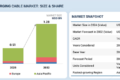
The Switzerland healthcare IT integration market is a rapidly evolving landscape characterized by a strategic shift toward digital transformation to address the challenges of an aging population and rising healthcare expenditures. While the country possesses a robust technological infrastructure and high digital literacy, it has historically lagged behind some European neighbors in fully integrating digital health solutions, leading to a significant push for interoperability between disparate systems like electronic health records, pharmacies, and laboratories. The market is increasingly driven by the adoption of cloud computing, artificial intelligence, and machine learning to streamline clinical workflows, enhance diagnostic accuracy, and empower patients through tools like the electronic patient dossier and telemedicine. Despite hurdles such as high implementation costs, stringent data protection regulations, and a shortage of skilled professionals, the landscape is bolstered by a vibrant ecosystem of over 900 healthcare startups and a strong emphasis on collaborative innovation among providers, insurers, and technology firms to build a more resilient, patient-centered healthcare system.
Key Drivers, Restraints, Opportunities, and Challenges in the Switzerland Healthcare IT Integration Market
The Switzerland healthcare IT integration market is primarily driven by the need to modernize a system under pressure from an aging population, rising treatment costs, and an increasing prevalence of non-communicable diseases, alongside a growing demand for remote patient monitoring and eHealth initiatives. Significant opportunities exist in the digital transformation of healthcare delivery through the integration of artificial intelligence, big data analytics, and the expansion of value-based healthcare models that prioritize patient outcomes over fee-for-service processes. However, the market faces notable restraints, including a fragmented insurance and reimbursement system, high implementation costs, and a lack of coordinated technical standards that leads to severe interoperability issues between inconsistent medical practice and hospital interfaces. Key challenges remain, such as a critical deficit of a highly skilled digital workforce, persistent gaps in government funding, and significant stakeholder pushback regarding the practical utilization of electronic patient records and data privacy.
Customer Segmentation, Needs, Preferences, and Buying Behavior in the Switzerland Healthcare IT Integration Market
The target customers for the Switzerland healthcare IT integration market primarily include hospitals, outpatient facilities such as physician practices, pharmacies, nursing homes, and insurance companies. These stakeholders prioritize the implementation of interoperable systems like the electronic patient record (EPR) to streamline workflows, reduce administrative burdens, and enhance the quality of patient care through real-time data sharing. Their preferences are increasingly shifting toward cloud-based and AI-driven solutions that offer data transparency, cybersecurity resilience, and the ability to support decentralized care models such as telemedicine and remote monitoring. Purchasing behavior is characterized by a strong demand for professional services—including system integration, consulting, and maintenance—as organizations navigate a mature but complex digital transformation landscape. Furthermore, while institutional buyers seek cost reductions and operational efficiency, their procurement decisions are heavily influenced by stringent data privacy concerns and a preference for long-term strategic partnerships with IT providers who can bridge the current digital skills gap.
Regulatory, Technological, and Economic Factors Impacting the Switzerland Healthcare IT Integration Market
The Switzerland healthcare IT integration market is significantly influenced by a complex interplay of regulatory, technological, and economic factors. Regulatory oversight is defined by a decentralized framework and stringent data protection laws, with the Federal Office of Public Health leading structured processes while the lack of a comprehensive national policy for health technology assessment can hinder standardization. Technologically, the integration of artificial intelligence, electronic health records, and 5G networks is driving market expansion by improving diagnostic accuracy and connectivity, although fragmented digital infrastructures and cybersecurity risks remain significant hurdles. Economically, while high healthcare expenditures reaching 11.3% of GDP sustain demand for efficiency-driving solutions like automation, the market faces restraints from high labor costs, a shortage of skilled IT professionals, and the substantial capital investment required to modernize legacy systems, which can limit profitability for new entrants.
Current and Emerging Trends in the Switzerland Healthcare IT Integration Market
The Switzerland healthcare IT integration market is undergoing a steady transformation driven by the critical need for interoperability among siloed systems like electronic patient dossiers (EPD), telemedicine platforms, and laboratory information systems. Emerging trends include the rapid adoption of artificial intelligence and machine learning for predictive analytics and diagnostic imaging, alongside a significant shift toward cloud-based software-as-a-service (SaaS) models and decentralized, patient-centric care. While Switzerland has historically lagged behind some European neighbors in digitization, the pace is accelerating as healthcare providers and insurers invest in automated workflows and secure data exchange to combat rising costs and staff shortages. This evolution is further supported by a robust startup ecosystem and government initiatives aimed at modernizing infrastructure, with segments like laboratory integration expected to see the fastest growth through 2032.
Technological Innovations and Disruption Potential in the Switzerland Healthcare IT Integration Market
Technological innovations such as artificial intelligence (AI), machine learning, and the rollout of 5G networks are gaining significant traction and are poised to disrupt the Switzerland healthcare IT integration market by enhancing diagnostic accuracy and enabling real-time data communication. The integration of AI and big data is revolutionizing life sciences by streamlining drug discovery and automating complex administrative workflows, while the deployment of 5G supports the growth of the Internet of Things (IoT) and remote patient monitoring. Furthermore, the development of secure, cloud-based infrastructure, such as the National Healthcare Cloud, and the implementation of a standardized electronic patient record (EPR) with an opt-out system are critical advancements aimed at overcoming current interoperability challenges and ensuring high standards of data protection. These technologies, combined with emerging solutions like blockchain for secure data management and robotics for optimized treatment, are shifting the Swiss healthcare landscape toward a more efficient, patient-centered, and digitally integrated model.
Short-Term vs. Long-Term Trends in the Switzerland Healthcare IT Integration Market
In the Switzerland healthcare IT integration market, the initial reactive surge in telemedicine and remote care sparked by the COVID-19 pandemic is increasingly viewed as a short-term acceleration of existing tools, whereas several other trends represent long-term structural shifts. The transition from fragmented, local initiatives to a centralized, federal framework for integrated care is a permanent transformation driven by the need to contain rising healthcare costs and manage a growing prevalence of chronic diseases. Similarly, the integration of artificial intelligence and automated workflows into laboratory and hospital systems is a fundamental shift aimed at addressing chronic staffing shortages and improving diagnostic accuracy. Other enduring structural changes include the adoption of the Electronic Patient Dossier (EPD) and the push for interoperable, paperless data exchange, which are fueled by the long-term necessity for high-quality, patient-centered care and the strategic priority of digital transformation in a mature but lagging digital landscape.