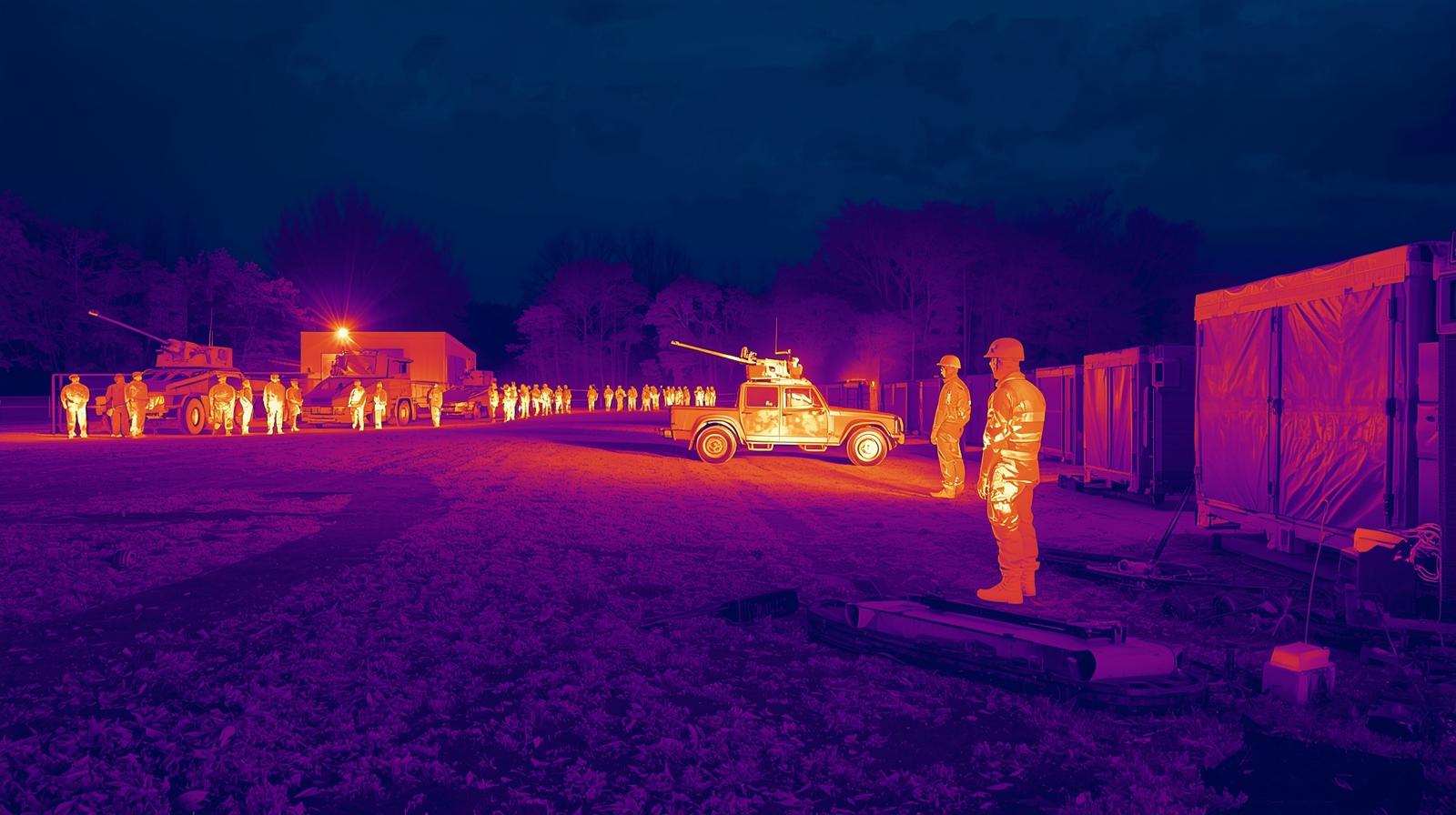
Infrared imaging represents a cornerstone of modern military technology. It allows soldiers to see in complete darkness through smoke and fog. This technology detects thermal radiation or heat emitted by all objects. It then converts this data into a visible light image for the operator. This capability provides a critical tactical advantage on the battlefield. It fundamentally changes how military operations are conducted day and night.
Core Technology Behind Thermal Vision
The science behind infrared imaging is based on Planck’s Law. Every object with a temperature above absolute zero emits infrared energy. The amount of this radiation increases with the object’s temperature. Infrared cameras use specialized detectors to capture this invisible light. These detectors create a thermogram which is a detailed temperature map. This map is then translated into electronic signals for image processing. The final output is a visual image where colors or shades represent temperature differences.
The Crucial Role in Modern Warfare
The value of infrared imaging in defense is truly immense. It empowers forces with 24/7 operational capability regardless of lighting conditions. This technology is vital for intelligence, surveillance, and reconnaissance missions. It enables the detection of hidden enemies and improvised explosive devices. Furthermore, it enhances the accuracy of targeting systems for weapons platforms. It also improves navigation and safety for aircraft and naval vessels.
Key Market Drivers and Growth Factors
Several powerful factors are propelling the infrared imaging market forward globally. Nations are modernizing their military assets with advanced electro optic systems. There is a rising demand for network centric warfare and situational awareness. Increased cross border tensions and insurgencies necessitate better surveillance. The development of unmanned systems also relies heavily on this technology. Furthermore, the miniaturization and cost reduction of sensors are expanding applications.
Analysis of Primary Application Segments
The application of infrared technology in defense is highly diverse. Key segments include surveillance and reconnaissance, which form the backbone of intelligence gathering. Another critical area is target acquisition and designation for precision guided munitions. Security and law enforcement use it for perimeter protection and search operations. It is also essential for navigation and piloting, especially for night operations. Finally, condition monitoring and predictive maintenance of military equipment rely on it.
Platforms Utilizing Infrared Systems
Infrared systems are integrated across all military domains. In the air, they are found on fighter jets, unmanned aerial vehicles, and helicopters. On the ground, they are used by individual soldiers, vehicles, and tanks. Naval platforms like ships and submarines use them for surveillance and navigation. Space based infrared systems are crucial for missile defense and early warning. This multi domain integration ensures comprehensive battlefield awareness.
Prominent Technologies in the Market
The market features several key infrared imaging technologies. Uncooled infrared detectors are popular for their lower cost and durability. Cooled infrared detectors offer superior image quality and long range performance. Multispectral and hyperspectral imaging provide detailed material identification. Fusion systems that combine thermal with night vision are also gaining traction. Each technology caters to specific operational requirements and budget constraints.
Major Players and the Competitive Landscape
The global infrared imaging market is competitive and features several key players.
- Leading companies like Teledyne FLIR, Raytheon, and L3Harris Technologies dominate with diverse product portfolios.
- These firms invest heavily in research and development to create more advanced and affordable systems.
Strategic partnerships with defense departments are common. There is also a trend of mergers and acquisitions to consolidate market position. Innovation remains the key to maintaining a competitive edge in this sector.
Regional Market Analysis Worldwide
The adoption of infrared imaging is strong but varied across different regions. North America holds the largest market share due to high defense spending. Europe is another significant market driven by multinational defense projects. The Asia Pacific region is expected to witness the fastest growth due to modernization programs. Emerging economies are increasingly investing in this technology to enhance their capabilities. Geopolitical dynamics directly influence regional market trends.
Challenges and Obstacles to Overcome
Despite its growth, the infrared imaging market faces certain challenges. The high initial cost of cooled systems can be a barrier for some budgets. Export controls and strict international regulations can limit technology transfer. The technology can sometimes be vulnerable to counter detection or spoofing. Environmental conditions like heavy rain can also attenuate infrared signals. Continuous research is needed to address these limitations effectively.
Future Trends and Technological Advancements
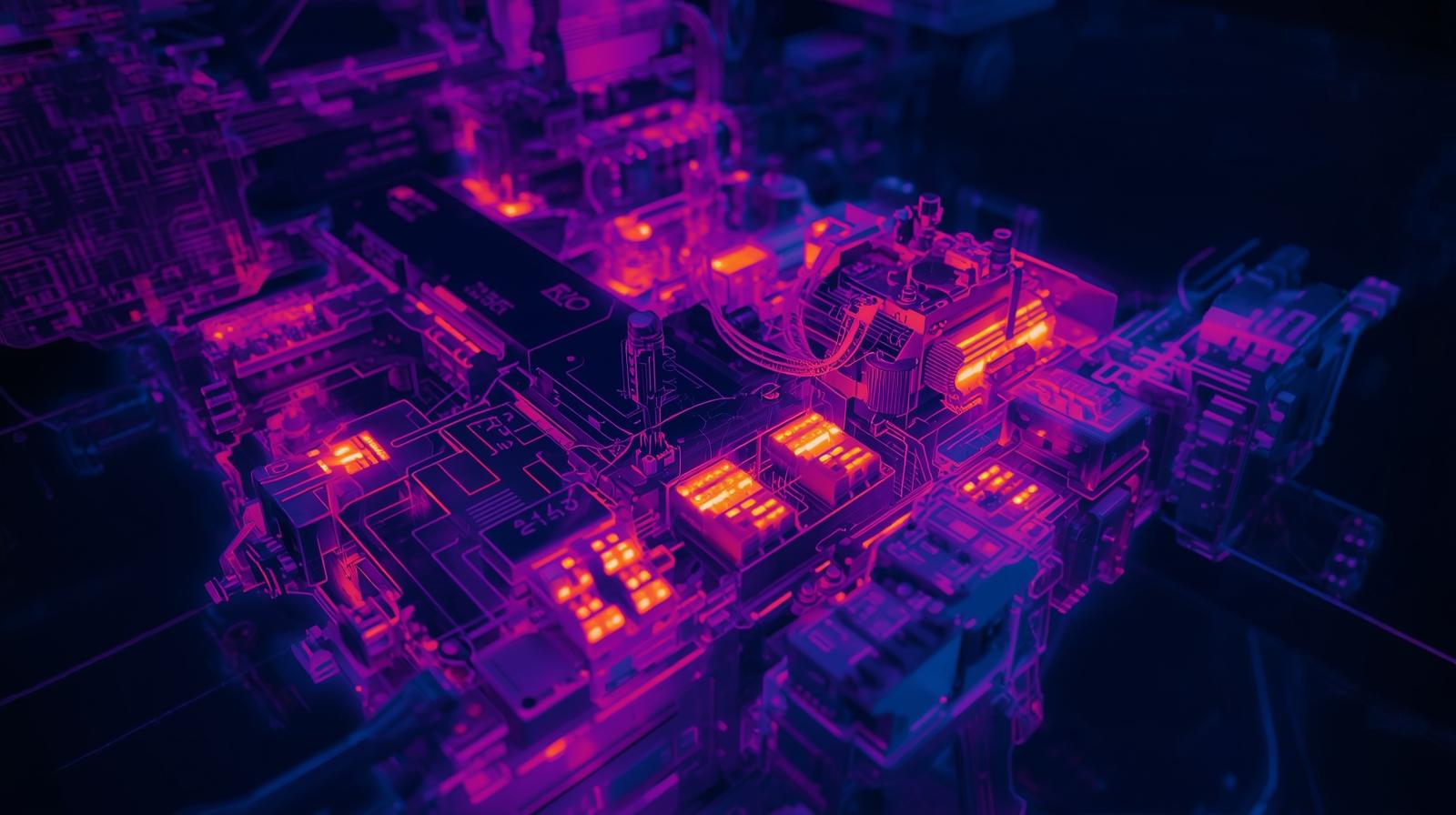
The future of the infrared imaging market in defense is incredibly promising. Artificial intelligence and machine learning will enable automated threat detection. There is a strong push towards developing higher resolution megapixel sensors. The integration of augmented reality displays will provide enhanced situational awareness. Research into new materials like quantum dots could revolutionize detector performance. These advancements will make systems smarter, faster, and more capable.
The Critical Importance of Infrared Dominance
In conclusion, infrared imaging is a vital and expanding component of defense technology. It provides the strategic advantage of seeing the unseen in all weather conditions. The market is driven by global security needs and continuous technological innovation. As threats evolve, so too will the capabilities of thermal imaging systems. Maintaining a technological edge in this domain is synonymous with achieving military superiority. The infrared imaging market in defense industry will remain a key focus for nations worldwide.
Explore In-Depth Semiconductor & Electronics Market Research:
https://www.marketsandmarkets.com/semiconductorand-electonics-market-research-87.html
Frequently Asked Questions
What is the main advantage of infrared imaging in defense?
The primary advantage is the ability to see in total darkness, through obscurants like smoke and fog, providing 24/7 operational capability and enhanced situational awareness.
What is the difference between cooled and uncooled infrared systems?
Cooled infrared detectors are sealed in a vacuum container and cooled to cryogenic temperatures, offering superior image quality and range. Uncooled detectors operate at ambient temperature, are more compact, durable, and cost effective, but with slightly lower performance.
Which region leads the infrared imaging market in defense?
North America currently leads the global market, largely due to the high defense budget of the United States and the presence of major defense contractors actively developing advanced infrared technologies.
How is artificial intelligence impacting this market?
Artificial intelligence is revolutionizing the market by enabling automated target recognition, reducing operator workload, filtering out clutter, and providing real time analytics for faster and more accurate decision making.
What are the emerging applications for this technology?
Beyond traditional uses, emerging applications include integration on small drones for squad level reconnaissance, chemical and biological agent detection, and enhanced cybersecurity for critical infrastructure protection.
See The Latest Semiconductor Reports:
Silicon Carbide Market Size, Share & Analysis : https://www.marketsandmarkets.com/Market-Reports/silicon-carbide-electronics-market-439.html
Microdisplay Market Size, Share & Trends : https://www.marketsandmarkets.com/Market-Reports/micro-displays-market-430.html
Warehouse Management System (WMS) Market Size, Share & Trends : https://www.marketsandmarkets.com/Market-Reports/warehouse-management-system-market-41614951.html
AI Inference Platform-as-a-Service (PaaS) Market Size, Share & Trends : https://www.marketsandmarkets.com/Market-Reports/ai-inference-platform-as-a-service-paas-market-102780827.html
Access Control Market Size, Share & Trends: https://www.marketsandmarkets.com/Market-Reports/access-control-market-164562182.html