The global transfection technologies market is witnessing rapid expansion as biotechnology, pharmaceutical, and academic institutions accelerate research in cell therapy, gene editing, vaccine development, and regenerative medicine. From CRISPR-based applications to mRNA therapeutics, transfection technologies have become a foundational tool for delivering nucleic acids into cells with precision and efficiency.
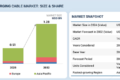
The global transfection technologies market, valued at US$1.1 billion in 2022, stood at US$1.2 billion in 2023 and is projected to advance at a resilient CAGR of 9.4% from 2023 to 2028, culminating in a forecasted valuation of US$1.8 billion by the end of the period.
As demand for advanced biologics and personalized medicine continues to rise, leading transfection technology companies are investing heavily in innovative delivery systems, automation platforms, and high-efficiency reagents designed for both research and clinical applications.
What Are Transfection Technologies?
Transfection technologies refer to methods used to introduce nucleic acids such as DNA, RNA, siRNA, or mRNA into eukaryotic cells. These technologies are widely used in:
- Gene expression studies
- Cell & gene therapy research
- Vaccine development
- Cancer biology
- Protein production
- CRISPR and genome editing
- Stem cell engineering
Modern transfection approaches include chemical-based, electroporation-based, viral vector-based, and lipid nanoparticle-mediated delivery systems.
Download an Illustrative overview: https://www.marketsandmarkets.com/pdfdownloadNew.asp?id=895
Key Trends Driving the Market
Rising Demand for Cell & Gene Therapies
The growing pipeline of CAR-T therapies, gene editing treatments, and regenerative medicine applications is fueling demand for highly efficient transfection platforms.
Expansion of mRNA Therapeutics
The success of mRNA vaccines has accelerated investments in RNA delivery technologies and lipid nanoparticle formulations.
Growth in CRISPR Research
Genome editing applications require reliable and reproducible transfection systems to deliver CRISPR components into target cells.
Increasing Biopharmaceutical R&D
Pharmaceutical companies are rapidly expanding biologics and recombinant protein research, increasing demand for high-throughput transfection tools.
Top Transfection Technologies Companies Leading the Industry
1. Thermo Fisher Scientific
Thermo Fisher Scientific is one of the global leaders in transfection technologies, offering a comprehensive portfolio of lipid-based transfection reagents, electroporation systems, and gene delivery solutions. Its widely recognized Lipofectamine platform is extensively used in molecular biology and therapeutic research.
Key Strengths
- Industry-leading Lipofectamine reagents
- Strong presence in cell & gene therapy research
- Advanced electroporation systems
- Extensive global distribution network
2. Bio-Rad Laboratories
Bio-Rad Laboratories provides innovative gene delivery systems, electroporation technologies, and molecular biology tools for academic and industrial research laboratories.
Key Focus Areas
- Electroporation platforms
- Gene expression analysis
- Cell biology research tools
- Molecular diagnostics integration
3. QIAGEN
QIAGEN is a major player in nucleic acid technologies and offers advanced transfection reagents optimized for RNA interference, CRISPR workflows, and gene expression studies.
Competitive Advantages
- Strong RNA technology portfolio
- Integrated genomic workflows
- Advanced sample preparation solutions
- Global life sciences customer base
4. Merck KGaA
Operating through MilliporeSigma in several regions, Merck KGaA offers a broad range of transfection reagents, viral vector technologies, and cell engineering platforms.
Strategic Highlights
- Extensive cell culture expertise
- Viral and non-viral delivery technologies
- Strong bioprocessing capabilities
- Focus on next-generation therapeutics
Request Sample Pages: https://www.marketsandmarkets.com/requestsampleNew.asp?id=895
5. Lonza Group
Lonza is recognized for its advanced electroporation technologies and clinically scalable transfection systems used in cell therapy manufacturing.
Core Offerings
- Nucleofector technology
- Clinical-grade transfection solutions
- Cell therapy manufacturing support
- Scalable GMP capabilities
6. Promega Corporation
Promega develops high-performance transfection reagents and reporter assays for gene expression and protein analysis applications.
Key Innovations
- Luciferase reporter systems
- High-efficiency transfection kits
- Automated workflow compatibility
- Strong academic research presence
7. Sartorius
Sartorius is expanding rapidly in advanced cell culture and gene delivery technologies through strategic investments and acquisitions.
Market Strengths
- Bioprocessing integration
- Cell culture optimization
- Advanced therapeutic manufacturing support
- Strong global biotechnology partnerships
8. MaxCyte
MaxCyte specializes in flow electroporation technology designed for scalable cell engineering and therapeutic development applications.
Key Capabilities
- Clinical-scale cell engineering
- High cell viability rates
- Scalable transfection workflows
- Strong partnerships with biopharma companies
9. Mirus Bio
Mirus Bio focuses on innovative nucleic acid delivery technologies for viral vector production and therapeutic development.
Core Expertise
- Viral vector transfection
- Plasmid DNA delivery
- Gene therapy applications
- High-yield production workflows
10. Polyplus
Polyplus is widely known for its specialized transfection reagents used in biologics production, viral vector manufacturing, and advanced therapeutic research.
Strategic Advantages
- Strong transfection reagent portfolio
- Expertise in gene and cell therapy
- High-performance PEI technologies
- Expanding global footprint
Competitive Landscape
The transfection technologies market remains highly competitive, with companies focusing on:
- High-efficiency delivery systems
- Reduced cytotoxicity
- Clinical-grade manufacturing
- Automation compatibility
- Scalable therapeutic applications
- AI-driven cell engineering workflows
Strategic collaborations between biotech firms, CDMOs, and pharmaceutical companies are accelerating innovation across the industry.
Future Outlook
The future of transfection technologies looks exceptionally promising as next-generation therapies continue transforming modern medicine. Increasing investments in personalized medicine, gene editing, synthetic biology, and mRNA therapeutics are expected to create substantial growth opportunities for technology providers worldwide.
Companies that can deliver scalable, safe, and highly efficient transfection platforms will likely lead the next wave of breakthroughs in biotechnology and precision medicine.
Conclusion
Transfection technologies have become indispensable to modern biomedical research and therapeutic innovation. Leading companies such as Thermo Fisher Scientific, Lonza Group, and MaxCyte are helping shape the future of gene delivery, cell engineering, and advanced therapeutics.
As biotechnology continues evolving, the role of advanced transfection platforms will only become more critical in accelerating scientific discovery and improving patient outcomes worldwide.
Get 10% Free Customization on this Report: https://www.marketsandmarkets.com/requestCustomizationNew.asp?id=895