In today’s fast-paced business landscape, companies are constantly seeking innovative ways to enhance customer interactions and streamline operations. Service robotics in customer service has emerged as a groundbreaking solution, integrating advanced robotic technologies to assist, engage, and support customers across various sectors. This fusion of artificial intelligence, machine learning, and mechanical engineering allows robots to perform tasks traditionally handled by human agents, from answering queries to guiding shoppers in retail environments.
The concept of service robotics in customer service goes beyond mere automation; it represents a shift towards more intuitive and responsive customer experiences. As consumer expectations rise for instant, personalized support, businesses are turning to these intelligent machines to bridge gaps in service delivery. Whether in hospitality, healthcare, or retail, service robotics in customer service is proving to be a game-changer, offering 24/7 availability and consistent performance that humans might struggle to maintain during peak hours or off-times.
At its core, service robotics in customer service involves deploying robots equipped with sensors, cameras, and natural language processing capabilities to interact seamlessly with people. These systems can recognize emotions, process requests in multiple languages, and even learn from interactions to improve over time. As we delve deeper into this topic, we’ll explore the evolution, applications, advantages, and potential hurdles of implementing service robotics in customer service, providing a comprehensive overview for businesses considering this technology.
The global Service Robotics Market was valued at USD 47.10 billion in 2024 and is projected to grow from USD 53.70 billion in 2025 to USD 98.65 billion by 2029, at a CAGR of 15.9% during the forecast period.
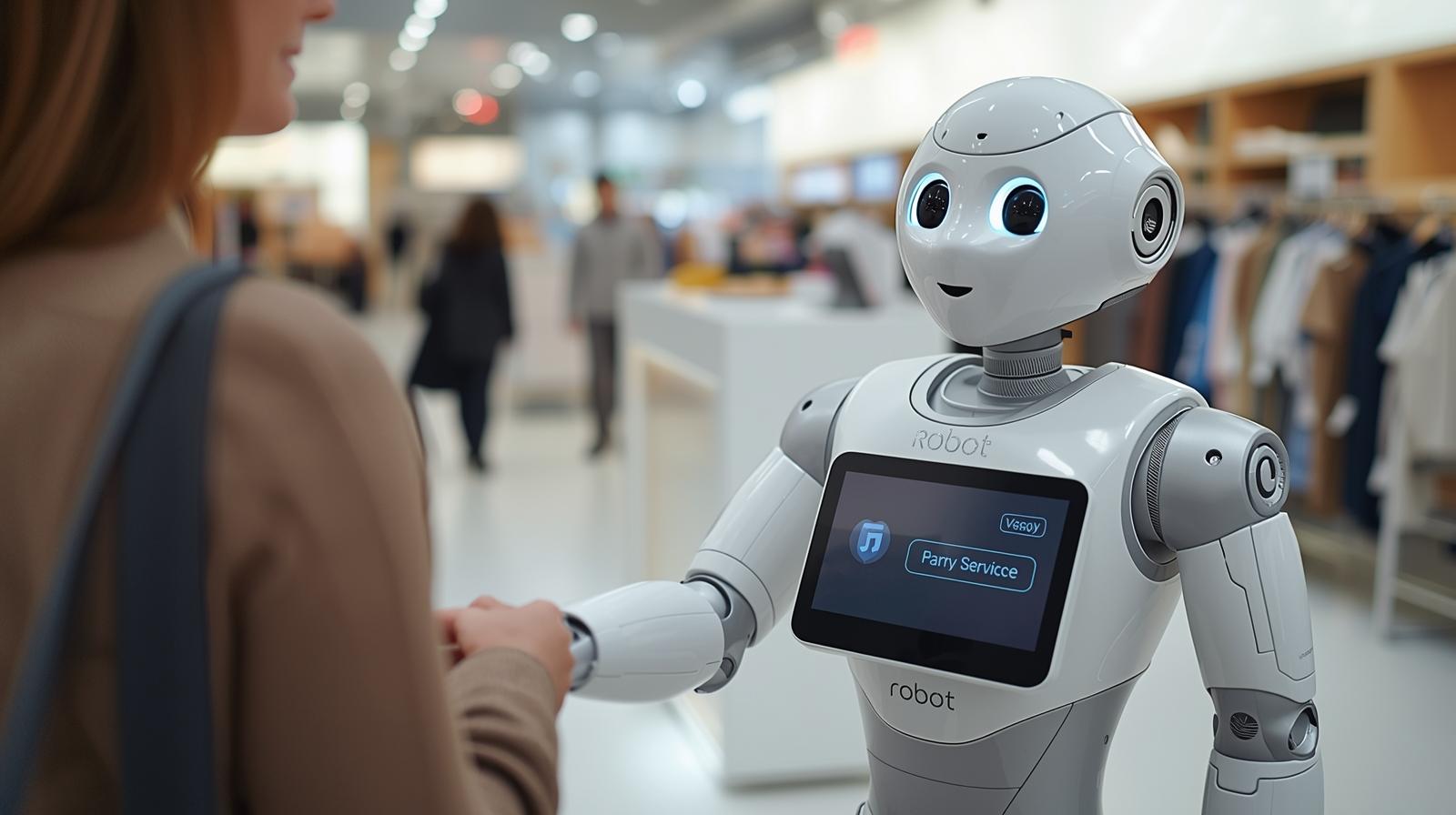
Types of Robots Used in Customer Service
Service robotics in customer service encompasses a diverse array of robot types, each designed for specific roles and environments. From stationary kiosks to mobile assistants, these machines vary in complexity and functionality to meet different industry needs.
One prominent category is humanoid robots, which mimic human appearance and movements to create relatable interactions. These are often deployed in hospitality settings, where they greet guests, provide directions, or even serve drinks. Another type includes telepresence robots, allowing remote human operators to control the device for personalized support, blending automation with human expertise in service robotics in customer service.
Wheeled or tracked mobile robots excel in navigation-heavy tasks, such as guiding customers through large stores or delivering items in hotels. Stationary robots, like interactive kiosks, handle self-service transactions efficiently. Additionally, drone-based robots are emerging for aerial surveillance and quick deliveries, expanding the scope of service robotics in customer service to outdoor and logistics applications.
Key Benefits of Implementing Service Robotics
Adopting service robotics in customer service offers numerous advantages that can significantly boost operational performance and customer satisfaction. One major benefit is enhanced efficiency, as robots can handle repetitive tasks without fatigue, allowing human staff to focus on complex issues.
Cost savings are another compelling factor, with reduced labor expenses over time despite initial investments. Service robotics in customer service also ensures consistency in responses, minimizing errors that might occur due to human variability. Moreover, these systems provide data analytics capabilities, gathering insights from interactions to inform business strategies.
In terms of customer experience, service robotics in customer service enables faster response times and multilingual support, catering to diverse audiences. Robots can operate around the clock, ensuring availability during non-traditional hours. Finally, they contribute to safety by performing tasks in hazardous environments or during health crises, like contactless deliveries.
The following paragraph highlights specific efficiency gains through bullet points, illustrating how service robotics in customer service transforms daily operations:
- Reduced wait times by automating routine inquiries, leading to quicker resolutions.
- Increased accuracy in order processing and information provision.
- Scalability during peak periods without proportional staff increases.
- Personalized recommendations based on real-time data analysis.
Challenges and Limitations in Adoption
While service robotics in customer service holds immense promise, several challenges hinder widespread adoption. High initial costs for development and deployment can be prohibitive for small businesses, requiring significant upfront investment in hardware and software.
Technical limitations, such as difficulties in handling nuanced human emotions or unexpected scenarios, persist despite AI advancements. Service robotics in customer service must navigate ethical concerns, including privacy issues from data collection and potential job displacement for workers.
Integration with existing systems poses another hurdle, as compatibility issues can arise. Maintenance and updates demand ongoing resources, and there’s always the risk of malfunctions that could disrupt service. Public acceptance varies, with some customers preferring human interactions over robotic ones, necessitating careful implementation strategies in service robotics in customer service.
Regulatory frameworks are evolving but often lag behind technological progress, creating uncertainty. Cybersecurity threats are a growing concern, as hacked robots could compromise sensitive information. Addressing these challenges requires collaborative efforts from developers, businesses, and policymakers to fully realize the potential of service robotics in customer service.
Real-World Applications Across Industries
Service robotics in customer service is making inroads across multiple sectors, demonstrating versatility and impact. In retail, robots like Pepper from SoftBank assist shoppers by recommending products and locating items, enhancing the in-store experience.
Hospitality benefits greatly, with robots handling check-ins, room service, and concierge duties in hotels. For instance, some chains use autonomous delivery robots to transport amenities to guest rooms, minimizing human contact and improving hygiene standards in service robotics in customer service.
Healthcare employs robots for patient companionship, medication reminders, and even telemedicine support, aiding overworked staff. In banking, automated tellers and advisory robots streamline transactions and provide financial guidance. Airports utilize robotic guides for navigation and information, reducing congestion and improving passenger flow.
The transportation industry sees robots in customer support roles, such as ticketing and lost luggage assistance. E-commerce warehouses leverage robotic systems for order fulfillment, indirectly enhancing customer service through faster shipping. These applications underscore how service robotics in customer service adapts to diverse needs, driving innovation and efficiency.
Case Studies of Successful Implementations
Examining specific case studies reveals the tangible impacts of service robotics in customer service. In one notable example, a major retail chain introduced mobile robots in stores to assist with inventory and customer queries, resulting in a 20% increase in sales due to better product availability and personalized recommendations.
A luxury hotel group deployed humanoid robots for front-desk operations, which not only reduced wait times but also garnered positive feedback for novelty and efficiency. Service robotics in customer service in this context led to higher guest satisfaction scores and repeat visits.
In healthcare, a hospital implemented companion robots for elderly patients, decreasing feelings of isolation and allowing nurses more time for critical care. Metrics showed improved patient outcomes and staff morale. Another case in aviation involved telepresence robots at airports, facilitating remote assistance during disruptions and enhancing overall traveler experience.
These successes highlight best practices, such as thorough training for integration and continuous monitoring for improvements. They demonstrate that when implemented thoughtfully, service robotics in customer service can yield substantial returns on investment and long-term benefits.
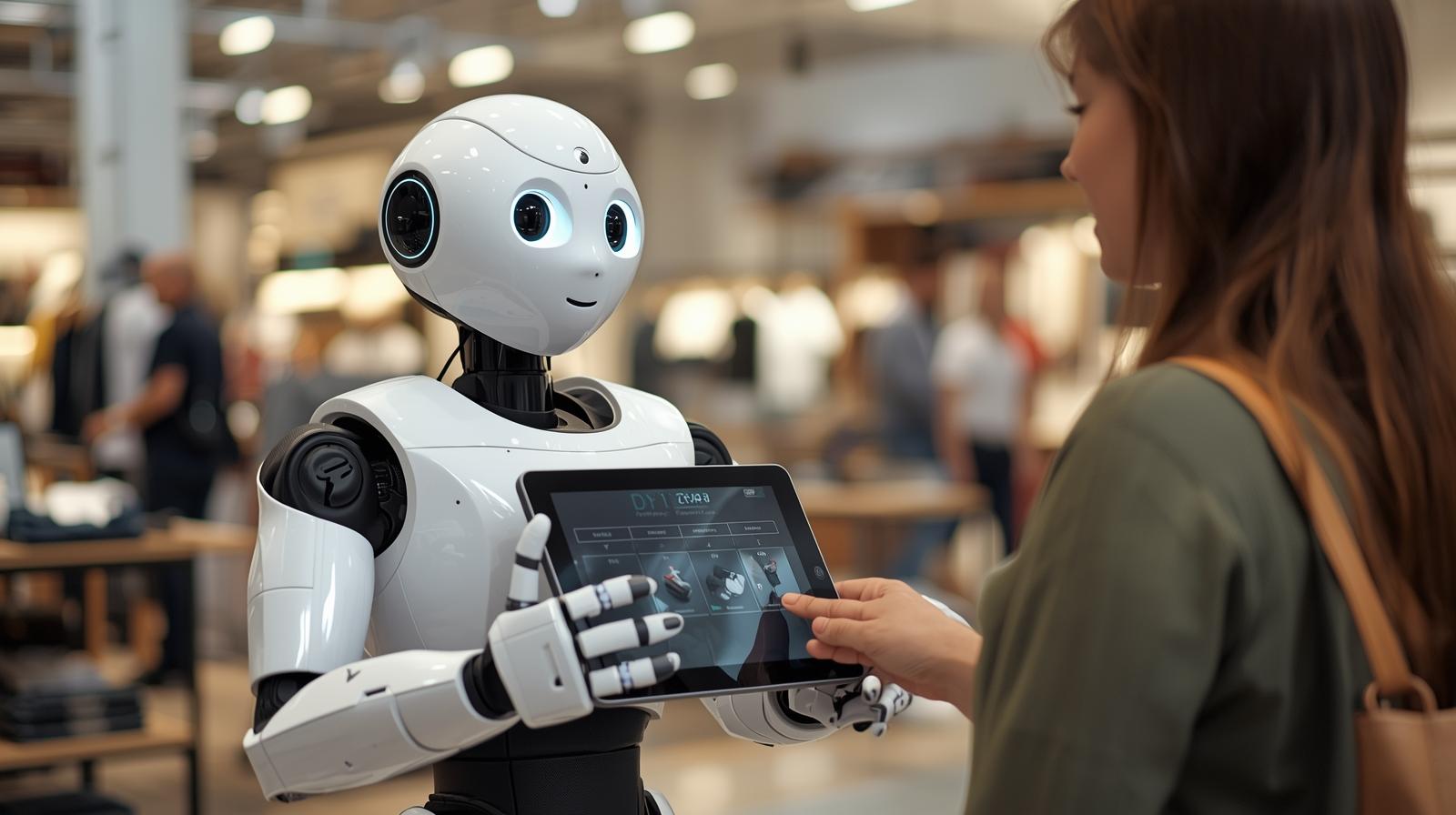
Technological Components Driving Robotics
The effectiveness of service robotics in customer service relies on a suite of advanced technologies working in harmony. Artificial intelligence forms the brain, enabling decision-making and learning from interactions through machine learning algorithms.
Sensors and cameras provide environmental awareness, allowing robots to detect obstacles, recognize faces, and interpret gestures. Natural language processing facilitates conversational abilities, making interactions feel natural and intuitive in service robotics in customer service.
Robotics hardware, including actuators and mobility systems, ensures physical capabilities match service needs. Cloud computing supports data storage and real-time updates, while edge computing handles on-device processing for faster responses. Integration with IoT devices expands functionality, such as connecting to smart systems for seamless operations.
Security protocols, like encryption and authentication, protect against threats. Ongoing advancements in battery life and materials science enhance durability and autonomy. Together, these components create robust systems that elevate service robotics in customer service to new heights.
Download PDF Brochure @
https://www.marketsandmarkets.com/pdfdownloadNew.asp?id=681
Future Trends and Innovations
Looking ahead, service robotics in customer service is poised for exciting developments driven by emerging technologies. Enhanced AI will enable more empathetic interactions, with robots better understanding context and emotions through advanced sentiment analysis.
Swarm robotics, where multiple units collaborate, could revolutionize large-scale operations like event management or warehouse customer support. Service robotics in customer service may incorporate augmented reality for immersive experiences, such as virtual try-ons in retail.
Sustainability will influence designs, with eco-friendly materials and energy-efficient operations becoming standard. Integration with 5G and beyond will ensure ultra-low latency for real-time interactions. Ethical AI frameworks will address biases, promoting fair and inclusive service.
Personalization will reach new levels via big data analytics, tailoring responses to individual preferences. As quantum computing matures, it could supercharge processing capabilities. These trends suggest that service robotics in customer service will become even more integral to business strategies, fostering deeper customer connections.
The next paragraph outlines potential innovations using bullet points to emphasize key areas of growth in service robotics in customer service:
- Emotional AI for detecting and responding to customer moods.
- Autonomous learning systems that evolve without human intervention.
- Hybrid models combining robots with virtual assistants.
- Global standardization for interoperability across brands.
Ethical Considerations and Best Practices
As service robotics in customer service proliferates, ethical considerations must guide its deployment. Ensuring transparency in how robots collect and use data is paramount to building trust and complying with privacy laws.
Job displacement concerns require proactive measures, such as reskilling programs for affected workers. Service robotics in customer service should prioritize inclusivity, accommodating diverse users including those with disabilities through accessible designs.
Best practices include conducting thorough testing in real-world scenarios to identify biases or flaws. Regular audits and updates maintain performance and security. Collaboration with ethicists and stakeholders can inform guidelines that balance innovation with responsibility.
Businesses should communicate clearly about robotic roles to manage customer expectations. Fostering a culture of human-robot synergy maximizes benefits while minimizing drawbacks. By adhering to these principles, service robotics in customer service can contribute positively to society.
Embracing the Robotic Revolution
In summary, service robotics in customer service is reshaping how businesses engage with customers, offering unparalleled efficiency, personalization, and innovation. From historical roots to future trends, this technology promises to elevate service standards across industries.
While challenges exist, the benefits far outweigh them when approached strategically. As companies integrate service robotics in customer service, they position themselves for competitive advantage in a digital era.
Embracing this revolution requires vision, investment, and ethical commitment. Ultimately, service robotics in customer service isn’t just about machines—it’s about creating meaningful, seamless experiences that delight customers and drive growth.
FAQs
What is service robotics in customer service?
Service robotics in customer service refers to the use of intelligent robots to assist customers with tasks like inquiries, guidance, and transactions, enhancing efficiency and experience.
How do robots improve customer satisfaction?
Robots provide instant, consistent, and personalized support, reducing wait times and offering 24/7 availability, which boosts overall satisfaction in service robotics in customer service.
What industries benefit most from service robotics?
Retail, hospitality, healthcare, and transportation are key sectors where service robotics in customer service streamlines operations and improves interactions.
Are there any downsides to using robots in customer service?
Challenges include high costs, technical limitations, and potential job impacts, but these can be mitigated with proper planning in service robotics in customer service.
What future trends are expected in this field?
Advancements in AI, emotional intelligence, and swarm robotics will drive more sophisticated and collaborative systems in service robotics in customer service.
How can businesses measure the success of robotic implementations?
Through metrics like customer satisfaction scores, cost savings, and response times, businesses can evaluate ROI in service robotics in customer service.
Is service robotics suitable for small businesses?
While initial costs are high, scalable solutions make service robotics in customer service accessible, offering long-term benefits even for smaller operations.
See The Latest Semiconductor Reports:
Sensor Patch Market Size, Share & Trends : https://www.marketsandmarkets.com/Market-Reports/sensor-patch-market-50239064.html
Semiconductor Market for Robots Size, Share & Trends: https://www.marketsandmarkets.com/Market-Reports/semiconductor-market-for-robots-115553523.html
Virtual Production Market Size, Share & Trends: https://www.marketsandmarkets.com/Market-Reports/virtual-production-market-264844353.html
Haptic Technology Market Size, Share & Trends : https://www.marketsandmarkets.com/Market-Reports/haptic-technology-market-443.html
Microgrid Market Size, Share & Trends: https://www.marketsandmarkets.com/Market-Reports/micro-grid-electronics-market-917.html
Oil Condition Monitoring Market Size, Share & Trends: https://www.marketsandmarkets.com/Market-Reports/oil-condition-monitoring-market-62105661.html
