The rapid expansion of the Internet of Things (IoT) and wearable technologies has brought unprecedented demand for devices that are not only smart and connected but also highly energy efficient. At the core of these innovations lies a critical technology: ultra-low-power microcontrollers (ULP MCUs). These microcontrollers are revolutionizing how devices consume energy, extending battery life, and enabling the seamless integration of smart functionalities in compact, portable form factors. The global ultra-low-power microcontroller market is anticipated to grow from USD 9.78 billion in 2025 to USD 15.27 billion by 2030, at a CAGR of 9.3%.
The Importance of Energy Efficiency in IoT and Wearables
Energy consumption has always been a critical challenge in IoT and wearable devices. These gadgets typically rely on batteries that are limited in size and capacity due to design constraints. Consumers expect these devices to operate for long periods without frequent recharging, making ultra-low-power consumption a top priority. ULP MCUs address this challenge by minimizing power usage in both active and idle states, ensuring that devices can function reliably for months or even years on a single battery charge.
This efficiency is vital not just for consumer convenience but also for environmental sustainability. With billions of IoT devices projected to be deployed worldwide, reducing the energy footprint of each device significantly contributes to lowering global energy consumption and electronic waste.
How Ultra-Low-Power Microcontrollers Enable Smarter Devices
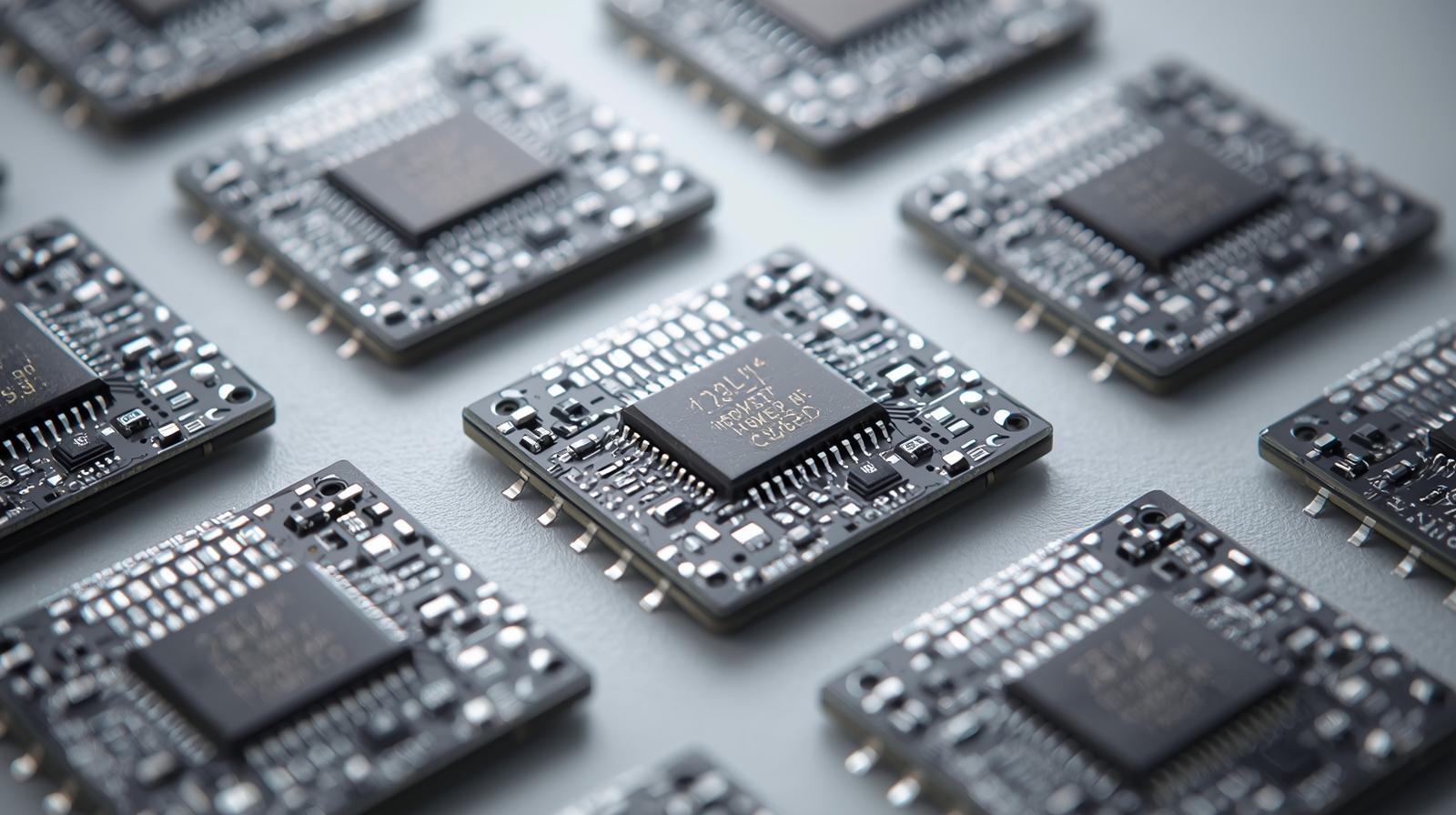
Ultra-low-power microcontrollers are engineered to balance performance with minimal energy usage. Unlike traditional microcontrollers, ULP MCUs incorporate advanced power-saving techniques such as multiple low-power modes, fast wake-up times, and adaptive voltage scaling. These features allow devices to stay in deep sleep for extended periods, waking only to perform essential tasks before returning to low-power states.
This capability is essential for IoT sensors and wearable gadgets that need to continuously monitor environmental or physiological data but do not require constant active processing. By efficiently managing power, ULP MCUs enable real-time data acquisition, analysis, and communication without draining batteries quickly.
Download PDF Brochure @ https://www.marketsandmarkets.com/pdfdownloadNew.asp?id=206772623
Impact on IoT Market Applications
In the IoT landscape, ultra-low-power microcontrollers are a cornerstone for applications ranging from smart homes and industrial automation to agriculture and healthcare. In smart homes, ULP MCUs power devices like thermostats, security cameras, and lighting controls that require continuous operation and responsiveness. In agriculture, these microcontrollers enable sensor networks that monitor soil conditions, irrigation levels, and weather patterns while operating autonomously for long durations.
The industrial sector benefits from ULP MCUs by deploying wireless sensor networks that enhance predictive maintenance, asset tracking, and environmental monitoring. The ability to collect and process data locally reduces the need for constant cloud communication, further conserving energy and bandwidth.
Transforming the Wearable Technology Space
Wearable technology is another domain where ultra-low-power microcontrollers are making a significant impact. Devices such as fitness trackers, smartwatches, and health monitors rely heavily on battery life and responsiveness. ULP MCUs allow these devices to provide continuous monitoring of vital signs like heart rate, blood oxygen levels, and activity tracking while maintaining extended battery life.
Moreover, these microcontrollers support advanced features like Bluetooth Low Energy (BLE) connectivity and sensor fusion algorithms without compromising power consumption. This balance enables wearables to remain lightweight and compact while delivering a rich user experience.
Technological Innovations Driving ULP MCU Advancements
The evolution of ultra-low-power microcontrollers is fueled by continuous innovations in semiconductor technology. Manufacturers are integrating more functionalities into single chips, reducing the need for external components that consume additional power. Techniques such as sub-threshold operation, which allows circuits to function at voltages below the transistor threshold, have pushed power consumption to unprecedented lows.
Furthermore, the inclusion of integrated analog peripherals, real-time clocks, and secure elements enhances the capabilities of ULP MCUs while keeping energy usage minimal. These innovations position ultra-low-power microcontrollers as ideal solutions for next-generation smart devices.
Looking Ahead: The Future of ULP MCUs in IoT and Wearables
As IoT ecosystems grow more complex, the demand for intelligent edge devices capable of processing data locally will increase. Ultra-low-power microcontrollers are expected to integrate more AI and machine learning capabilities to support local decision-making while maintaining energy efficiency.
Additionally, advancements in wireless communication standards like Bluetooth 5.3 and Matter will require ULP MCUs to support higher data rates and improved connectivity without sacrificing power budgets. Security will also be a critical focus, with embedded hardware encryption and secure boot processes becoming standard to protect user data and device integrity.
Ultra-low-power microcontrollers are at the heart of the transformation in IoT and wearable technology markets. By enabling devices to operate longer on smaller batteries without compromising performance, ULP MCUs are unlocking new possibilities in smart, connected applications. As innovation continues, these microcontrollers will play an increasingly pivotal role in shaping the future of energy-efficient, intelligent devices that seamlessly integrate into everyday life.
FAQ: Ultra-Low-Power Microcontrollers — Investor Perspective
Q1: Why should investors consider the ultra-low-power microcontroller market?
The ULP MCU market is at the intersection of two fast-growing sectors: IoT and wearable technology. With billions of connected devices expected worldwide, the demand for energy-efficient solutions is soaring, positioning ULP MCUs as essential components driving sustained market growth and long-term profitability.
Q2: What are the key growth drivers for the ULP MCU market?
Major growth drivers include the rapid adoption of IoT across industries such as smart homes, healthcare, industrial automation, and agriculture. Additionally, increasing consumer demand for wearable devices with longer battery life fuels innovation and adoption of ULP MCUs.
Q3: How is technological innovation impacting the competitive landscape?
Advancements in semiconductor fabrication, power management, and integration of AI at the edge are creating significant barriers to entry. Companies leading in these technologies gain competitive advantages through differentiated products, higher margins, and broader market reach.
Q4: Which industries or applications offer the highest return potential for ULP MCU investments?
Healthcare wearables, industrial IoT sensor networks, and smart home devices represent lucrative segments due to their stringent power requirements and growing adoption rates. Investors should monitor partnerships and product launches in these verticals.


