Veterinary medicine is becoming an increasingly important part of the global healthcare and animal production ecosystem. From companion animal care to livestock health management, advances in diagnostics, vaccines, pharmaceuticals, and preventive healthcare are changing how animal diseases are managed.
The growing focus on animal welfare, disease prevention, food security, and zoonotic disease control is creating new opportunities across the veterinary healthcare industry. At the same time, innovations in biotechnology and vaccine development are helping veterinary professionals and animal health companies improve disease prevention and treatment.
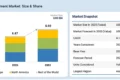
The global veterinary vaccines market is projected to increase from USD 13.02 billion in 2026 to USD 18.46 billion by 2031, representing a 7.2% CAGR during the forecast period.
Understanding Veterinary Medicine
Veterinary medicine encompasses the prevention, diagnosis, treatment, and management of diseases and health conditions affecting animals. It covers a broad range of applications, including companion animals, livestock, poultry, aquatic animals, and other species.
The sector includes several interconnected areas:
- Veterinary pharmaceuticals
- Vaccines and immunization
- Animal diagnostics
- Preventive healthcare
- Surgical and clinical services
- Animal nutrition and health supplements
- Disease surveillance and biosecurity
- Veterinary medical devices and technologies
For businesses operating across animal health, pharmaceuticals, biotechnology, agriculture, and food production, veterinary medicine has become an important area for innovation and investment.
Why Veterinary Medicine Is Becoming More Important
Several structural factors are supporting demand for veterinary healthcare solutions.
Rising Pet Ownership
Increasing pet ownership is contributing to greater spending on preventive healthcare, diagnostics, vaccination, and treatment. Pet owners are also becoming more aware of routine veterinary care, creating demand for higher-quality animal health products and services.
Growing Livestock Production
Livestock health is closely connected with agricultural productivity and food security. Disease outbreaks can result in animal losses, reduced productivity, trade restrictions, and significant financial costs.
Preventive veterinary medicine therefore plays an important role in protecting cattle, poultry, swine, and other production animals.
Greater Focus on Zoonotic Diseases
Diseases that can move between animals and humans have increased the importance of coordinated animal and human health strategies. This has strengthened the role of veterinary professionals, diagnostic laboratories, pharmaceutical companies, and vaccine manufacturers in disease prevention.
Advances in Biotechnology
New technologies are changing veterinary medicine. Recombinant vaccines, improved delivery systems, advanced diagnostics, and other biotechnology-based solutions are helping manufacturers develop more targeted and efficient animal health products.
MarketsandMarkets identifies technological advancement in veterinary vaccine development as an important opportunity for market participants.
Download PDF Brochure: https://www.marketsandmarkets.com/pdfdownloadNew.asp?id=1233
Veterinary Vaccines: A Key Segment of Animal Healthcare
Vaccination is one of the most important preventive tools within veterinary medicine. Veterinary vaccines help reduce the impact of infectious diseases in both companion animals and production animals.
The veterinary vaccines market includes products designed for:
- Poultry
- Cattle and other livestock
- Swine
- Dogs and cats
- Aquaculture
- Other animal species
MarketsandMarkets reports that livestock vaccines represented the largest type segment, while live attenuated vaccines accounted for a significant share of the market. The report also identifies veterinary hospitals as an important end-user segment.
For animal health companies, this creates opportunities across vaccine research, manufacturing, distribution, cold-chain infrastructure, and veterinary services.
Technology Is Reshaping Veterinary Medicine
The veterinary healthcare industry is moving beyond conventional treatment approaches toward more preventive and technology-driven models.
Advanced Vaccine Platforms
Modern vaccine development includes live attenuated, inactivated, toxoid, and recombinant technologies. These platforms can support different disease-prevention requirements across animal species.
Digital Health and Vaccination Tracking
Digital tools are increasingly being used to improve vaccination records, treatment monitoring, disease surveillance, and veterinary practice management. Better data can help veterinary professionals make more informed decisions and improve continuity of care.
Improved Diagnostics
Rapid and accurate diagnostics are becoming increasingly important for identifying infections and enabling earlier intervention. Diagnostic technologies can also support disease surveillance programs and help reduce the spread of infectious diseases.
Better Delivery Systems
Innovations in vaccine delivery and administration are helping address practical challenges associated with animal immunization. Easier administration can be particularly valuable for large-scale livestock operations and veterinary practices managing high volumes of animals.
Asia Pacific Presents Significant Growth Opportunities
Asia Pacific is expected to be the fastest-growing region in the global veterinary vaccines market during the forecast period, according to MarketsandMarkets. Increasing demand for veterinary services, growing pet ownership, livestock production, and rising awareness of preventive animal healthcare are among the factors supporting regional growth.
The region also presents opportunities for manufacturers and distributors looking to expand access to vaccines, diagnostics, pharmaceuticals, and other veterinary healthcare products.
India is an example of a developing animal health market. MarketsandMarkets estimates that India’s veterinary vaccines market was valued at USD 76.35 million in 2024 and could reach USD 108.37 million by 2029, reflecting a 7.3% CAGR.
Challenges Facing the Veterinary Medicine Industry
Despite strong growth prospects, businesses operating in veterinary medicine face several challenges.
High R&D costs can make the development of new vaccines and pharmaceuticals expensive and time-consuming. Regulatory approval requirements can also increase development timelines and costs.
Cold-chain requirements present logistical challenges for temperature-sensitive vaccines, particularly when products must reach remote or rural areas.
Limited veterinary infrastructure in some developing markets can restrict access to professional animal healthcare.
Regulatory complexity is another important consideration. Veterinary pharmaceutical and vaccine manufacturers must meet strict requirements related to safety, quality, efficacy, manufacturing, and product registration.
Addressing these challenges will require continued investment in manufacturing capabilities, supply-chain infrastructure, veterinary education, and technology.
Business Opportunities Across the Veterinary Medicine Value Chain
The expansion of veterinary medicine is creating opportunities beyond pharmaceutical manufacturers.
Companies can participate across a broad value chain, including:
- Animal health research and development
- Vaccine and pharmaceutical manufacturing
- Veterinary diagnostics
- Contract manufacturing
- Cold-chain logistics
- Veterinary distribution
- Digital veterinary platforms
- Veterinary hospital and clinic services
- Animal nutrition
- Disease surveillance
- Biosecurity solutions
This interconnected ecosystem creates opportunities for both established animal health companies and specialized technology providers.
The Future of Veterinary Medicine
The future of veterinary medicine is likely to be shaped by a stronger emphasis on prevention, precision, technology, and accessibility.
As animal health becomes increasingly connected with food security and public health, demand for effective disease prevention solutions is expected to remain strong. Advances in biotechnology may further expand the range of vaccines, diagnostics, and therapeutics available to veterinary professionals.
At the same time, digital technologies can improve how animal health information is collected, managed, and shared across veterinary practices, farms, laboratories, distributors, and regulatory organizations.
For B2B companies, the opportunity lies not only in developing individual products but also in building integrated solutions that improve animal health outcomes while supporting operational efficiency.